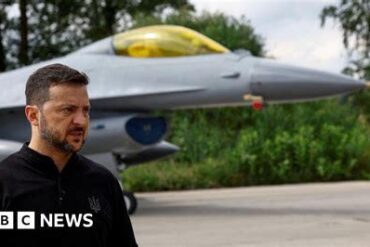
On October 13, 2025, President Volodymyr Zelensky announced a sweeping expansion of Ukraine’s army aviation units aimed at combating Russia’s intensifying drone warfare campaign. The decision, made during a high-level Staff meeting of the Supreme Commander-in-Chief, underscores Kyiv’s urgency to defend critical energy infrastructure and frontline regions from continuous waves of Shahed-type UAVs that have battered the country’s grid and industrial hubs.
This expansion signals a strategic shift toward rotary-wing air defense operations, integrating helicopters into Ukraine’s multi-layered air defense structure to ensure faster interception, reduced costs, and broader operational flexibility. The initiative comes as Ukraine braces for another harsh winter, determined to protect its power grid from renewed Russian strikes while conserving expensive surface-to-air missiles for higher-tier threats.
Building a New Layer of Air Defense
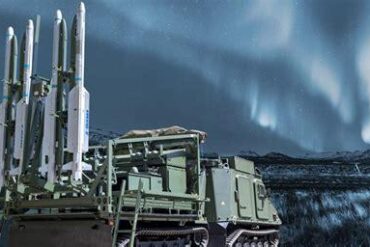
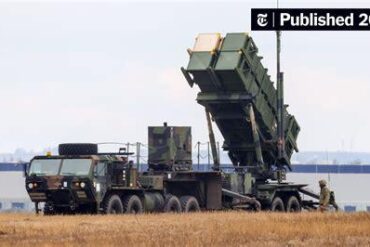
Ukraine’s evolving counter-drone strategy reflects a hybrid defense architecture. Traditionally reliant on Western-supplied SAM systems like NASAMS and IRIS-T, Kyiv now seeks to reinforce its air defense web with helicopter groups capable of rapid interception. These units will complement ground-based missile systems and domestically produced interceptor drones, forming a layered protection grid around power plants, logistics corridors, and frontline positions.
According to Zelensky’s announcement, additional helicopter groups will be established to patrol border regions and respond to real-time alerts from radar and optical-tracking networks. This evolution addresses a growing challenge—reduced warning times near the frontlines, where drones launched from short distances often reach Ukrainian targets before missile batteries can engage.
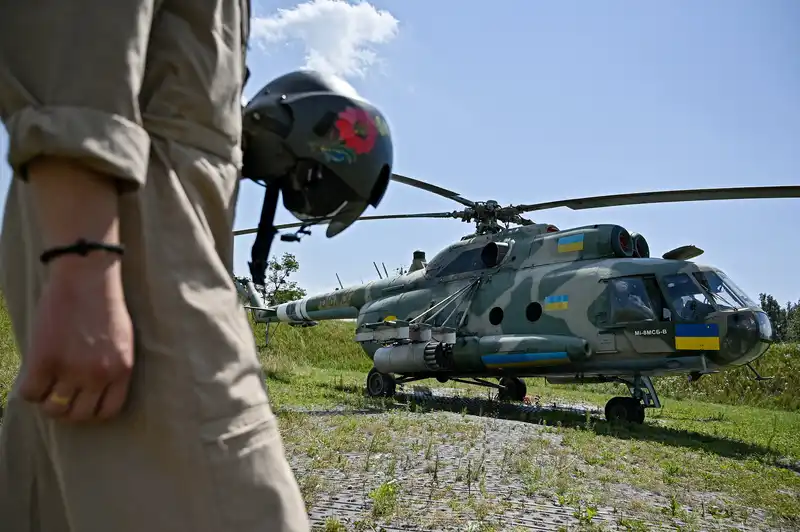
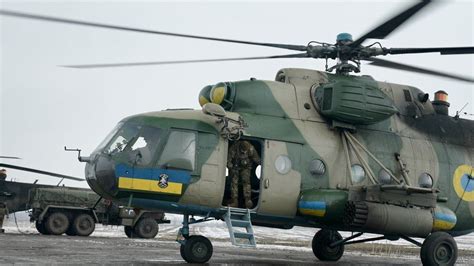
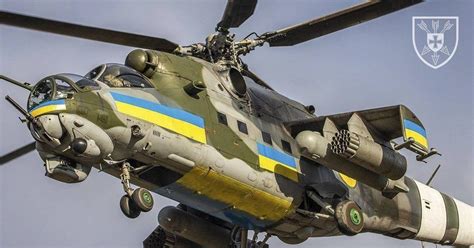
Ukrainian army aviation brigades, composed mainly of Mi-8/17 utility helicopters and Mi-24/35 attack helicopters, have already demonstrated operational success in intercepting Russian UAVs. These aircraft, equipped with forward-mounted and door-mounted machine guns, engage drones in low-altitude chases, targeting them over open terrain, rivers, and near vital substations.
From Ad-Hoc Defense to Integrated Operations
Since the start of Russia’s drone campaign, Ukraine’s defenses have evolved from improvised countermeasures into a cohesive layered system. Initially, many of the UAV kills were credited to ground-based small arms fire and improvised setups. However, as drone attacks grew in frequency and sophistication, Ukrainian forces adapted by integrating helicopters into coordinated interception operations alongside radar cueing and drone-to-helicopter coordination.
This new structure places helicopters as mid-tier interceptors, bridging the gap between surface-to-air missile batteries and low-cost drone interceptors. Helicopters possess distinct advantages—high mobility, rapid reaction capability, and the ability to patrol large areas without depending solely on radar range or terrain constraints. Unlike missile systems, rotary aircraft can visually identify and chase drones, mitigating risks of collateral damage in urban or energy-dense environments.
Operational data released by Ukrainian defense officials highlight that helicopter units now account for a significant portion of nightly Shahed drone shoot-downs, particularly in central and southern oblasts. In optimal conditions, well-coordinated helicopter teams have been able to intercept multiple drones per sortie using precision fire and visual tracking.
Tactical Advantages of Helicopter-Based Drone Defense
Helicopters provide unique benefits that ground-based or unmanned systems alone cannot replicate. Their persistent on-station endurance, coupled with real-time sensor feedback from EO/IR (Electro-Optical/Infrared) systems, allows them to monitor drone activity over extensive sectors. With machine gun or cannon fire, helicopter crews can neutralize UAVs at short ranges without risking missile expenditure.
In recent months, Ukrainian Mi-8 crews have been seen using advanced night-vision systems, thermal imaging, and improvised targeting sensors to improve accuracy during night operations—when the majority of Russian drone attacks occur. Reports also indicate that laser-guided 70 mm rockets are being evaluated for precision engagements, providing a new option for neutralizing drones at slightly longer distances.
This flexibility is critical. Unlike SAM systems, helicopters can reposition instantly, exploit visual contact, and maintain a lower operational cost per interception. As a result, each downed UAV represents a smaller financial burden while preserving more sophisticated weaponry for defending against ballistic or cruise missile threats.
Upgraded Platforms and Field Modifications
Ukraine’s helicopter fleet, although composed primarily of Soviet-era airframes, is undergoing continuous modernization. Local workshops, in partnership with defense contractors and Western suppliers, have introduced field modifications designed to enhance detection and targeting efficiency. These include:
- Thermal imaging turrets mounted beneath cockpits for better night surveillance.
- Fire-control systems adapted for precision aiming of machine guns and rockets.
- Reinforced communication networks linking helicopters with radar stations and drone operators.
Several Mi-8 helicopters have been equipped with sensor pods and laser rangefinders, improving their ability to identify and engage UAVs beyond visual range. In some documented cases, Mi-24 crews employ the Yak-B 12.7 mm Gatling gun to shred incoming Shahed drones mid-flight, while others use side-mounted 7.62 mm guns operated by door gunners.
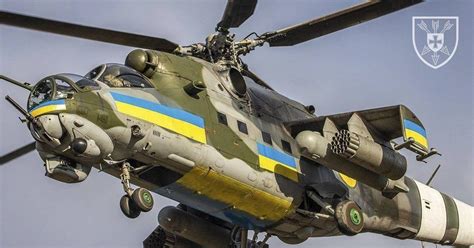
The Ukrainian Ministry of Defense has released multiple verified videos showing successful helicopter intercepts, particularly over rivers, open fields, and industrial zones. These missions not only demonstrate the agility of rotary platforms but also their adaptability to evolving threat environments.
Strategic and Economic Rationale Behind the Expansion
Ukraine’s renewed focus on helicopter-based air defense is both strategic and economic. Each Shahed-136 drone costs Russia only a fraction of the price of a single interceptor missile used to shoot it down. By using helicopters and domestically built drone interceptors instead, Kyiv aims to balance cost-per-kill ratios and stretch its limited missile inventory across the winter campaign.
This approach also mitigates the burden on ground forces and energy repair crews, who often operate under fire while restoring damaged facilities. By maintaining airborne coverage, helicopter units can intercept threats before impact, reducing strain on recovery operations and protecting workers in the field.
On the strategic level, expanding army aviation sends a signal to Western allies that Ukraine is not solely dependent on foreign-supplied air defense systems. Instead, it showcases initiative, adaptability, and self-sufficiency—traits that could influence upcoming Ramstein-format defense coordination meetings. Ukrainian planners emphasize that by investing in cost-effective aviation and drone layers, donated high-end missile systems can be preserved for use against more critical aerial threats.
Winter Hardening and Grid Protection
The timing of Zelensky’s announcement is significant. As the country enters another cold season, Russian forces are expected to renew their campaign against energy and heating infrastructure. During the previous winter, sustained strikes led to rolling blackouts across multiple cities, testing Ukraine’s resilience and repair capabilities.
This time, Kyiv aims to stay ahead. Helicopter patrols will act as mobile sentinels, protecting transmission lines, substations, and fuel depots from low-flying drones. With their ability to rapidly deploy to emergent threats, these units will enhance the reaction speed of regional air-defense networks, particularly in border oblasts where launch-to-impact times are measured in minutes.
Ukraine’s energy ministry and military leadership are coordinating closely to prioritize protection for strategic facilities, including thermal power plants, transformer nodes, and gas storage sites. Air-defense coordination centers are being upgraded to integrate helicopter flight paths with radar and drone-tracking feeds, creating a seamless defense picture that covers both static and mobile assets.
Integration with Interceptor Drone Production
Alongside the expansion of helicopter forces, Ukraine is ramping up domestic interceptor drone manufacturing. Working with local defense startups and international partners, Kyiv plans to deploy mass-produced FPV and air-to-air interceptors capable of engaging UAVs at lower cost and greater volume. These drones act as the first line of defense, while helicopters handle mid-altitude engagements and missiles reserve coverage for high-value targets.
Zelensky emphasized during his briefing that this combined approach aims to create “maximum production and deployment synergy” between human-crewed and autonomous systems. The plan involves co-locating helicopter groups with drone production hubs, ensuring that both aerial layers can launch within minutes of detection alerts.
Military analysts suggest this pairing could significantly raise nightly interception rates, reducing the damage caused by Russia’s drone saturation tactics and protecting both military and civilian targets.