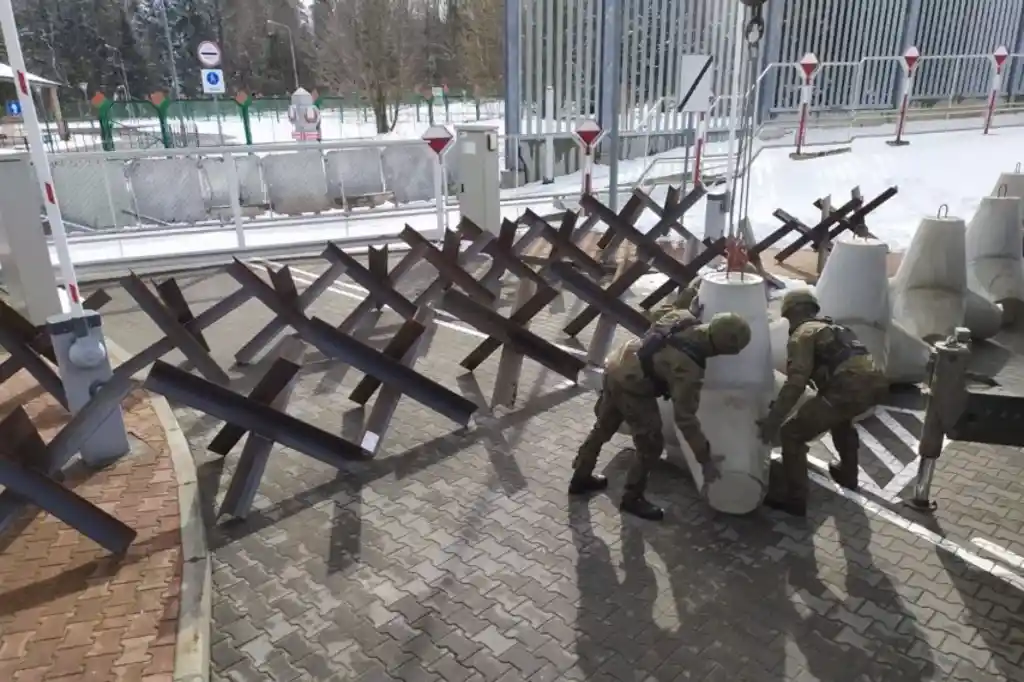
Poland has confirmed the launch of a €2 billion anti-drone fortification program along its border with Belarus, marking one of the most significant military infrastructure upgrades in Eastern Europe since the beginning of the war in Ukraine. This initiative, officially unveiled on December 27, 2025, reflects Warsaw’s response to evolving aerial threats posed by Russian unmanned systems, reinforcing Poland’s role as a critical NATO frontline state.
Strategic Defense in the Age of Drones
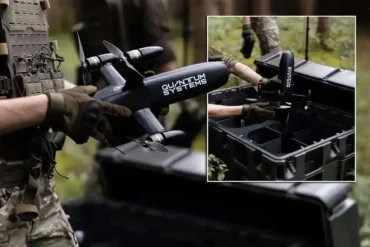
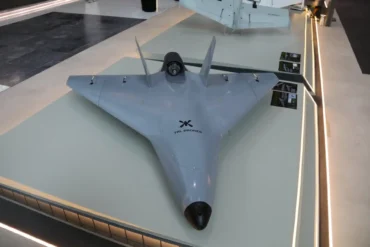
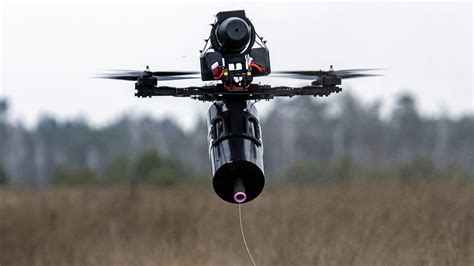
The decision comes amid increasing incidents of Russian UAV incursions into Polish airspace, including a September 2025 breach involving more than a dozen drones. These penetrations led to airport shutdowns, scrambled fighter jets, and minor infrastructure damage, prompting Polish officials to prioritize a comprehensive anti-drone defense posture.
Deputy Defence Minister Cezary Tomczyk confirmed that initial capabilities will be active within six months, with full operational readiness targeted within 24 months. The new system will modernize and integrate with Poland’s existing border fortifications, originally developed over a decade ago but no longer adequate to counter modern low-signature aerial threats.
Multi-Layered Anti-Drone Architecture
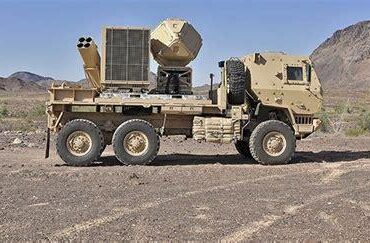
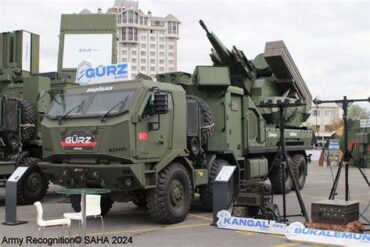
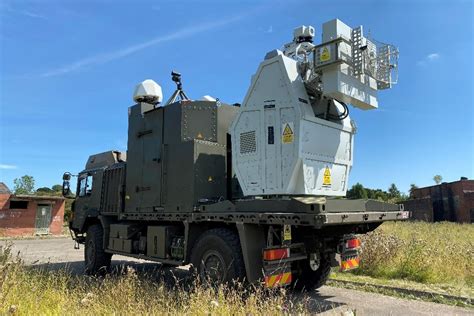
At the core of Poland’s new defense lies a layered counter-UAS system combining advanced sensor fusion, kinetic effectors, and electronic warfare. This multi-tiered approach addresses the full spectrum of threats—from Group 1 commercial quadcopters to larger military surveillance drones.
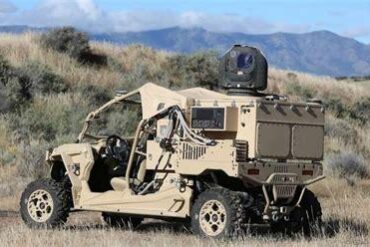
At the detection stage, short-range 3D radars will monitor altitudes of 10 to 30 kilometers, depending on target size and altitude. These radars are tailored for low-RCS (Radar Cross Section) targets that evade traditional air defense systems. Visual confirmation will be provided by electro-optical and infrared sensors, critical in cluttered terrains such as the Podlasie wetlands and border forests.
Kinetic response systems include:
- Rapid-fire machine guns (12.7 mm)
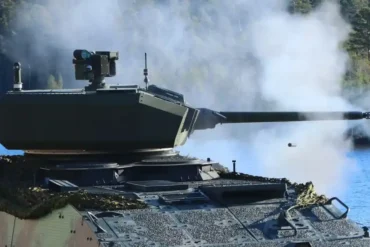
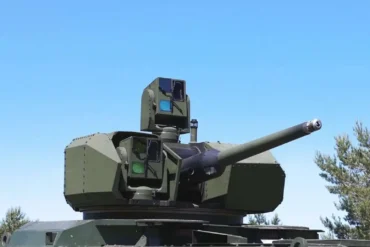
- Auto-cannons (23 mm–35 mm)
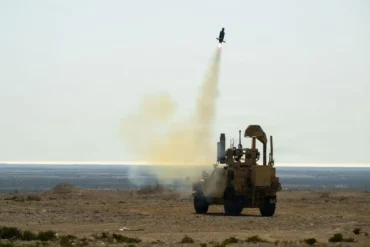
- Short-range IR and radar-guided missiles
These effectors allow engagement ranges from a few hundred meters to over 5 kilometers. However, Tomczyk emphasized that some of the heavier weapons would be reserved for wartime conditions due to the dangers of stray munitions.
Non-Kinetic Warfare and Electronic Shields
Electronic warfare forms a central pillar of the strategy. Jammer systems will disrupt GNSS (GPS and GLONASS) signals and drone command-and-control links operating on civilian and military frequencies. These EW capabilities mirror successful tactics deployed in Ukraine, where Russian drones have been neutralized without the risk of kinetic escalation.
Non-lethal disruption tools not only reduce collateral risks but also serve a strategic messaging role, demonstrating restraint while effectively neutralizing threats.
Financing and the Eastern Shield Vision
The €2 billion investment will be primarily financed through the SAFE (Security Action for Europe) defense loan program, supplemented by the Polish national defense budget. This aligns with Poland’s Eastern Shield initiative, an umbrella strategy encompassing fortifications, logistics nodes, and rapid deployment assets along borders with Belarus and Kaliningrad.
Each border municipality will receive logistics hubs stocked with barriers, sensors, engineering tools, and backup power sources. These can be deployed in under 24 hours in the event of escalations, natural disasters, or sabotage—offering both civil and military utility.
Hybrid Warfare and Persistent Pressure
Poland’s fortification plans are a response not only to drone incursions but also to a wider hybrid warfare landscape. Polish intelligence has reported increased instances of sabotage, arson, and cyber incidents linked to Russian proxy actors. These operations are designed to destabilize critical infrastructure and test Warsaw’s crisis response mechanisms.
Foreign Minister Radosław Sikorski previously described the September drone incursion as a “hybrid provocation”—an attempt to provoke without triggering a full-scale military response. The fortifications thus serve a dual function: tactical defense and strategic deterrence.
Poland’s Broader Military Renaissance
Poland is undergoing a rapid transformation into a high-readiness military power. Defense spending now sits at 4.7% of GDP, one of the highest rates within the European Union. Recent procurements include Abrams tanks, HIMARS artillery, Patriot missile systems, and advanced air defense platforms.
The anti-drone fortifications extend this modernization into the realm of asymmetric aerial threats, positioning Poland as not just a consumer of NATO security but a regional provider of stability. The project complements air defense investments such as Wisła and Narew, while addressing smaller and more agile threats often missed by conventional radar.
Signals to NATO and Moscow
More than a national project, this anti-drone network sends clear strategic signals. To NATO allies, it showcases Poland’s commitment to hardening the eastern flank. To Moscow, it warns that hybrid tactics and UAV provocations will now meet automated, coordinated, and decisive countermeasures.
The modernization of Poland’s eastern defense line—once symbolic of Cold War-era security fears—now represents 21st-century resilience, shaped by drone warfare, electronic conflict, and regional instability.
Conclusion: A Future-Proof Border
By investing in an advanced anti-drone system rooted in sensor fusion, layered defenses, and flexible response, Poland is writing a new playbook for NATO frontier defense. The €2 billion initiative is more than just a barrier; it’s a technological fortress, a warning system, and a declaration of readiness.
As drone warfare continues to redefine global battlefields, Poland’s blueprint may soon become the standard for NATO’s outer perimeter, where sovereignty and safety are guarded not just by soldiers, but by networks of eyes, signals, and silent weapons in the sky.