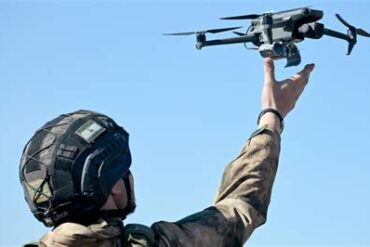
As drone incursions from Mexican cartels intensify along the Southern U.S. border, the Department of Defense is expanding its technological footprint in a sweeping effort to secure national airspace and prevent cross-border criminal operations. Aerial threats, once considered a hypothetical risk, have now become a daily operational reality for Border Patrol agents and military personnel stationed across Texas and New Mexico.
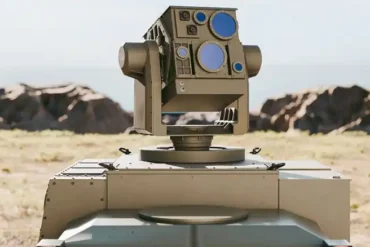
The latest military strategy includes deploying sophisticated radar systems capable of detecting, tracking, and pinpointing low-altitude threats, including unmanned aerial vehicles (UAVs) carrying surveillance equipment, contraband, or, in more alarming cases, explosives.
Cartel Drone Warfare: A Growing Threat to National Security
Border security officials have documented an alarming surge in drone activity over the past year. In 2023, one border sector alone reported over 10,000 unauthorized drone incursions, many of which are suspected to have originated from cartel-controlled territories in northern Mexico. These drones are not just tools for smuggling — they are becoming weapons.
Armed UAVs have been intercepted carrying payloads that indicate potential intent to harm personnel or disrupt operations. Their ability to fly low and evade conventional radar systems has challenged existing security frameworks.
AN/MPQ-64 Sentinel: The Border’s Mobile Guardian
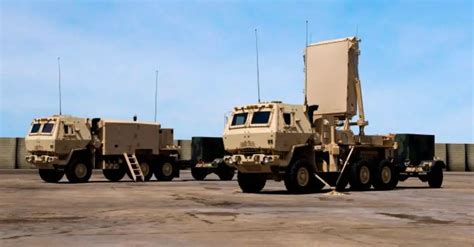
To counter this asymmetric threat, U.S. military units near Rio Grande City are operating the AN/MPQ-64 Sentinel radar system, a mobile, 3-D radar unit capable of tracking the range, bearing, and elevation of aerial targets. Originally designed for battlefield air defense, the Sentinel is now being repurposed to detect cartel drones before they cross into U.S. airspace.
The Sentinel system is strategically stationed along critical stretches of the border and is remotely operated for rapid repositioning. When a drone is detected, it automatically alerts air defense teams and Border Patrol agents, allowing them to intercept or track the target in real time.
This integration of battlefield technology into domestic enforcement reflects a shift in the military’s posture — from support to active deterrence and surveillance.
Multi-Mission Capability: AN/TPQ-53 Adds Layered Defense
Complementing the Sentinel, troops have also deployed the AN/TPQ-53 radar, a multi-mission radar system with capabilities that far exceed traditional surveillance tools. Unlike typical air-search radars, the TPQ-53 was engineered to detect and track incoming mortars, rockets, and artillery shells — now repurposed to track low-flying drones operated by cartels.
What makes the TPQ-53 invaluable in this mission is its ability to calculate the origin point of airborne threats. When a drone launches from within Mexico, the radar can triangulate its launch coordinates, feeding law enforcement with real-time targeting intelligence. This capability represents a tactical leap in interdiction efforts, providing both defensive awareness and offensive location data.
Rise of National Defense Zones Along the Border
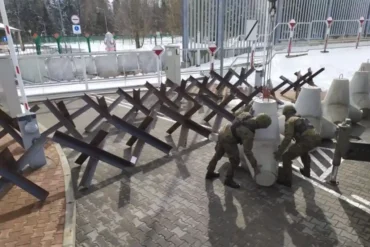
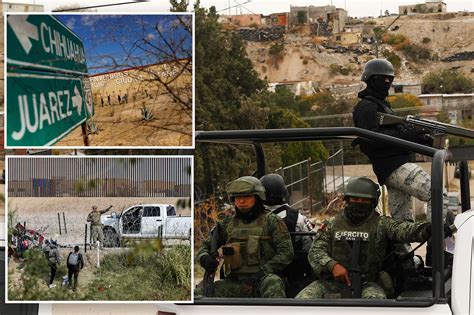
In an unprecedented move, a 170-mile section of federal land along the New Mexico border has been officially transferred to the Department of Defense. Now designated as a National Defense Area, this corridor is heavily monitored and patrolled by military personnel under Joint Task Force–Southern Border.
Troops have placed 150 warning signs across an 18-mile hotspot near Clint, Texas, marking the terrain as restricted military enforcement zones. According to Defense Secretary Pete Hegseth, any individual entering this controlled perimeter is subject to immediate detention and search by U.S. forces.
This reclassification of land signals a new era of military-led border enforcement, where defense infrastructure and protocol override traditional immigration enforcement measures in areas deemed strategically vulnerable.
A New Border Doctrine: Deterrence Through Technological Dominance
The deployment of these radar systems is not isolated; it’s part of a larger, coordinated response to the evolving tactics of transnational criminal organizations. These cartels have demonstrated remarkable adaptability — from constructing tunnels beneath border walls to deploying drones for nighttime surveillance, cargo drops, and attacks.
Faced with this agility, U.S. military leaders have opted for a doctrine centered on speed, automation, and layered defense. The integration of the Sentinel and TPQ-53 radar systems is designed to:
- Detect aerial threats before they breach U.S. airspace.
- Coordinate immediate law enforcement response.
- Map out launch sites to support targeted interdiction efforts.
This shift is not without its critics. Civil liberties advocates question the long-term implications of military enforcement on American soil. However, defense officials argue that the magnitude of the drone threat necessitates a response that only military-grade systems can offer.
Drones Armed with Explosives: Tactical Evolution or Terrorist Threat?
Recent evidence has shown that some drones crossing from Mexico into the U.S. are now armed with explosive devices, not just surveillance equipment or narcotics. While few incidents have resulted in injury, the implications are severe. A single successful strike on a Border Patrol outpost or checkpoint could trigger broader counterterrorism protocols.
Military officials are now treating drone incursions as potential kinetic threats, no different from mortar or rocket attacks in a combat theater. This has placed additional pressure on radar crews to maintain around-the-clock coverage and issue immediate alerts to tactical response units.
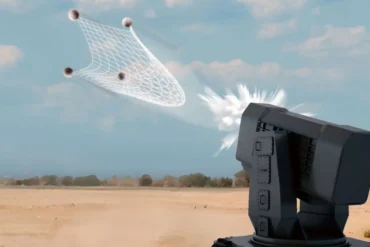
The capability to detect drones carrying explosives at long range allows for preemptive action, such as deploying interception drones or issuing ground-based alerts to field agents in the affected sectors.
Joint Task Force–Southern Border: Integrating Defense Assets in Homeland Security
Established as part of the larger U.S. Northern Command framework, the Joint Task Force–Southern Border represents a fusion of military coordination, intelligence sharing, and law enforcement engagement. Its core mission is to protect the homeland from non-state actors, particularly those exploiting the porous nature of the U.S.-Mexico border.
The task force coordinates directly with the Department of Homeland Security, the Customs and Border Protection (CBP), and state-level law enforcement units. By centralizing information gathered from radar systems, aerial surveillance, and ground reconnaissance, the task force ensures that every drone incident is tracked, analyzed, and countered.
These operations are no longer isolated patrols but part of an integrated airspace denial strategy, leveraging technology, intelligence, and rules of engagement aligned with military standards.
The Future: AI-Driven Radar and Autonomous Drone Interception
As the technology gap between cartels and federal forces continues to close, the U.S. military is exploring artificial intelligence enhancements to radar systems. Future iterations of the Sentinel and TPQ-53 may incorporate AI algorithms capable of predicting drone trajectories, identifying payloads, and coordinating automated countermeasures.
There is also growing interest in deploying autonomous interceptor drones that can track and disable hostile UAVs mid-flight. These systems would be automatically launched upon radar detection, eliminating the time lag between detection and human response.
Although still in the testing phase, these AI-integrated solutions are likely to become cornerstones of border security strategy within the next five years.
Conclusion: Securing the Border from the Sky Down
The battle for the Southern border has expanded into the sky. No longer confined to walls, patrols, and cameras, border security now includes highly advanced radar arrays, real-time tracking, and military enforcement zones. The U.S. military’s presence — once auxiliary — has become an essential part of border operations.
As cartels escalate their use of drone warfare, the Pentagon’s response signals a commitment to full-spectrum defense — one that does not wait for threats to land, but instead neutralizes them before they arrive. This evolving theater of engagement marks a historic transformation in homeland security, one that embraces technology, coordination, and decisive action.