The United States has approved a $2.1 billion emergency Foreign Military Sale (FMS) to the United Arab Emirates, accelerating the delivery of a combat-proven counter-drone architecture designed to defend critical infrastructure against an evolving spectrum of aerial threats. The decision to bypass the standard Congressional review process signals a rare level of urgency, underscoring how low-cost unmanned systems have rapidly reshaped modern warfare, particularly in the Middle East.
At the heart of the deal lies the Fixed Site–Low, Slow, Small Unmanned Aircraft Integrated Defeat System (FS-LIDS)—a layered defense solution engineered not merely to detect drones, but to track, classify, and neutralize them within seconds. The UAE’s request for ten fully integrated systems reflects a strategic pivot toward persistent, site-specific protection of assets that cannot afford vulnerability, from energy facilities to military installations.
The timing is not coincidental. Regional tensions, coupled with a surge in one-way attack drones and loitering munitions, have exposed critical gaps in traditional air defense frameworks. Systems designed to counter high-speed aircraft or ballistic missiles often struggle against small, low-flying drones with minimal radar signatures, creating a dangerous imbalance between offense and defense.
Emergency Approval Signals Strategic Urgency in U.S.-UAE Defense Ties
The invocation of emergency authority under the Arms Export Control Act is a decisive move that speaks volumes about Washington’s threat assessment. Such waivers are uncommon and typically reserved for scenarios where delays could compromise national security interests or partner stability. In this case, the United States has explicitly framed the UAE as a key regional stabilizer, making its defense posture a matter of broader geopolitical importance.
Rather than treating this as a routine arms sale, the approval reflects a strategic calculation: strengthening the UAE’s defensive resilience directly contributes to maintaining security balance in the Gulf. The region’s dense network of energy infrastructure, maritime chokepoints, and military bases presents a high-value target set for adversaries employing asymmetric tactics.
The expedited timeline ensures that the UAE gains access to a fully integrated counter-UAS ecosystem, not a piecemeal collection of sensors or interceptors. This distinction matters. Modern drone warfare is defined by speed, saturation, and unpredictability, demanding systems that can operate continuously with minimal human delay.
Inside FS-LIDS: A Layered Counter-Drone Ecosystem Built for Modern Threats
FS-LIDS is not a single weapon but a system-of-systems architecture designed to compress the entire defensive cycle—from detection to engagement—into a seamless, automated chain. Its effectiveness lies in how its components interact, creating a persistent defensive shield over high-value locations.
The system integrates:
- Ku-band Multi-Function RF System (KuMRFS) radars for high-resolution detection of small aerial targets
- Electro-optical and infrared (EO/IR) sensors for visual confirmation and tracking
- FAAD Command and Control (C2) for real-time battle management and threat prioritization
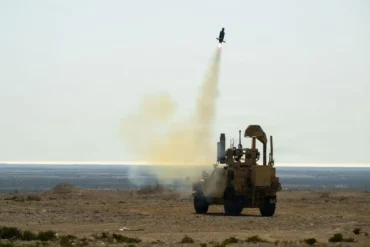
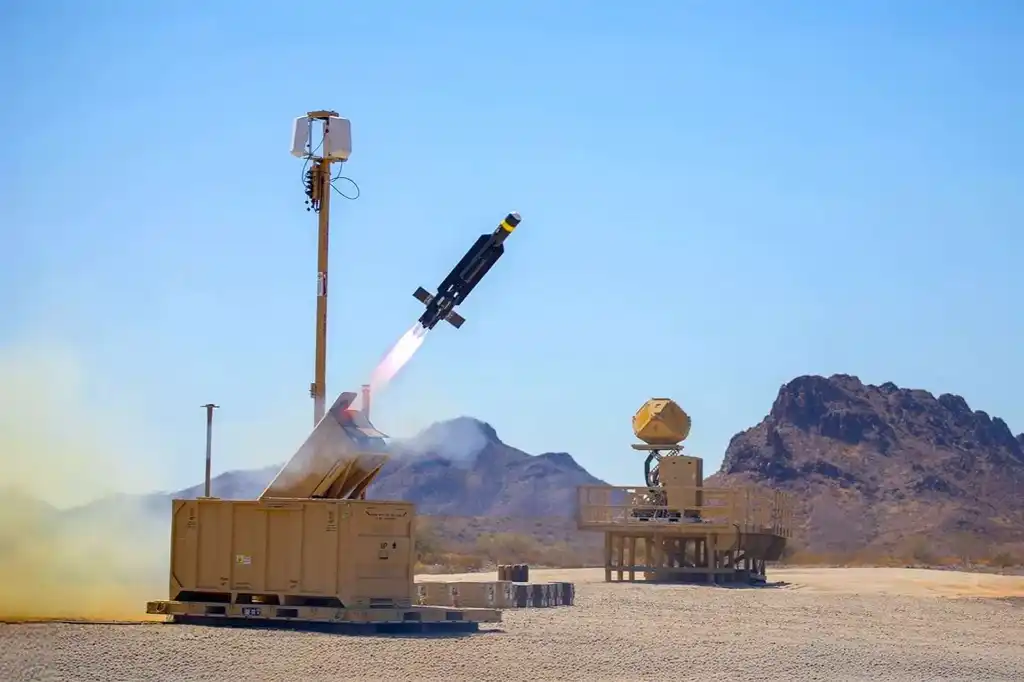
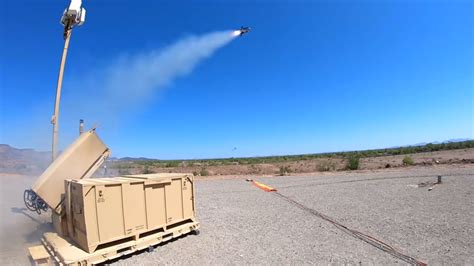
- Coyote Block 2 interceptors, specialized kinetic solutions designed for counter-UAS missions
Together, these elements form a continuous engagement loop, dramatically reducing the time between identifying a threat and neutralizing it. In operational terms, this can mean the difference between a drone being intercepted kilometers away or reaching its target.
Coyote Block 2: Precision Interceptor for the Drone Age
Central to the UAE package are 240 Coyote Block 2 All-Up-Rounds, compact yet highly capable interceptors specifically engineered to defeat small unmanned systems. Unlike traditional surface-to-air missiles, which are often overpowered and cost-inefficient for drone engagements, the Coyote offers a tailored solution that balances speed, agility, and affordability.
Its design reflects a shift in military thinking. Instead of relying on multi-million-dollar missiles to counter relatively inexpensive drones, systems like the Coyote enable scalable defense, allowing operators to respond proportionally to threats. This is particularly critical in scenarios involving swarm attacks, where multiple drones are deployed simultaneously to overwhelm defenses.
The interceptor’s performance characteristics—rapid launch capability, high maneuverability, and precise targeting—make it ideal for protecting fixed installations such as airbases, ports, and energy facilities, where reaction time is limited and stakes are high.
Combat-Proven Credibility in the CENTCOM Theater
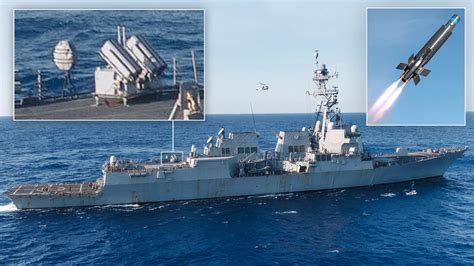
One of FS-LIDS’ most compelling attributes is its operational track record. The system has already been deployed and refined within the U.S. Central Command (CENTCOM) area of responsibility, where drone threats are not theoretical but a daily reality. This real-world validation provides the UAE with a level of confidence that goes beyond technical specifications.
Unlike emerging technologies still undergoing testing, FS-LIDS represents a mature, field-tested capability shaped by actual combat conditions. Its deployment history has allowed for iterative improvements, ensuring that it remains effective against evolving drone tactics, including low-altitude flight paths, erratic maneuvering, and coordinated swarm behavior.
For the UAE, acquiring a system with proven battlefield performance significantly reduces integration risks and accelerates operational readiness.
Defending Critical Infrastructure Against Asymmetric Threats
The strategic value of FS-LIDS becomes particularly evident when considering the UAE’s critical infrastructure landscape. The nation’s economy is deeply intertwined with energy production, maritime trade, and logistics hubs, all of which are highly attractive targets for adversaries seeking maximum disruption with minimal investment.
Recent incidents have demonstrated how low-cost drones can inflict outsized damage, igniting fires, halting industrial operations, and creating ripple effects across global markets. Facilities such as oil terminals, gas processing plants, and port complexes are especially vulnerable due to their fixed locations and expansive footprints.
FS-LIDS addresses this vulnerability by providing a dedicated point-defense layer, ensuring that even low-signature threats can be detected and neutralized before reaching critical assets. Its ability to operate continuously makes it well-suited for defending high-value, non-mobile targets that cannot rely on relocation or concealment.
Iran-Linked Drone Threats Reshape Regional Defense Priorities
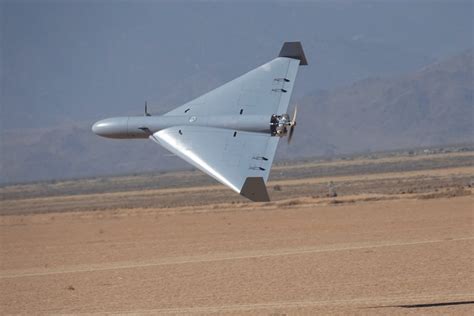
The proliferation of Iranian-designed and proxy-operated drones has fundamentally altered the security landscape in the Gulf. Systems such as the Shahed-series loitering munitions have demonstrated the ability to strike targets at long range while evading traditional defenses.
These drones are characterized by:
- Low radar cross-sections, making detection challenging
- Terrain-hugging flight profiles, reducing engagement windows
- Cost-effectiveness, enabling repeated or massed attacks
The result is a persistent threat environment where even well-defended states must contend with continuous aerial pressure and potential saturation strikes. FS-LIDS is specifically designed to counter these characteristics, offering a responsive and adaptive defense layer tailored to the realities of modern drone warfare.
A Shift in Air Defense Doctrine: From High-End to Layered Protection
The approval of this sale highlights a broader shift in military doctrine. For decades, air defense strategies prioritized high-end threats—fighter aircraft, cruise missiles, and ballistic missiles. While these remain critical, the rise of drones has introduced a new dimension that cannot be addressed by traditional systems alone.
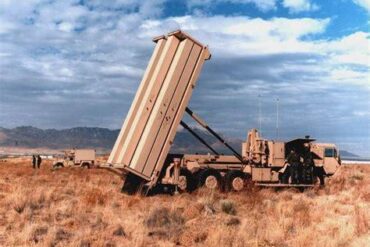
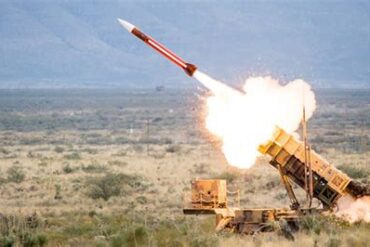
FS-LIDS represents the lower tier of a multi-layered defense architecture, complementing higher-end systems such as THAAD and Patriot. This layered approach ensures that threats are engaged at the appropriate level, preserving expensive assets while maintaining comprehensive coverage.
The shift is as much conceptual as it is technological. Defense planners are increasingly recognizing that air superiority now requires the ability to counter both sophisticated and low-cost threats simultaneously.
Industrial and Strategic Implications for the U.S. Defense Sector
The deal also reinforces the position of key U.S. defense contractors, including RTX Corporation, Northrop Grumman, and SRC, as leaders in the rapidly expanding counter-UAS market. As drone threats continue to proliferate globally, demand for integrated, scalable defense solutions is expected to grow significantly.
For the United States, exporting systems like FS-LIDS serves multiple purposes. It strengthens alliances, enhances interoperability, and ensures that partner nations are equipped with compatible technologies that can operate alongside U.S. forces if required.
Moreover, the success of such systems in operational environments boosts their international credibility, paving the way for future sales and broader adoption.
Why This $2.1B Deal Matters Now More Than Ever
This emergency-approved sale is more than a transaction—it is a clear signal of shifting priorities in modern warfare. The emphasis on counter-drone capabilities reflects a recognition that future conflicts will be shaped as much by small, inexpensive systems as by advanced platforms.
For the UAE, the acquisition of FS-LIDS provides an immediate and practical solution to a pressing security challenge. For the United States, it reinforces a commitment to supporting key partners in maintaining regional stability and defense readiness.
Ultimately, the deal underscores a simple but critical reality: in an era where a relatively inexpensive drone can threaten billion-dollar infrastructure, effective defense is no longer defined by scale alone, but by adaptability, integration, and speed.