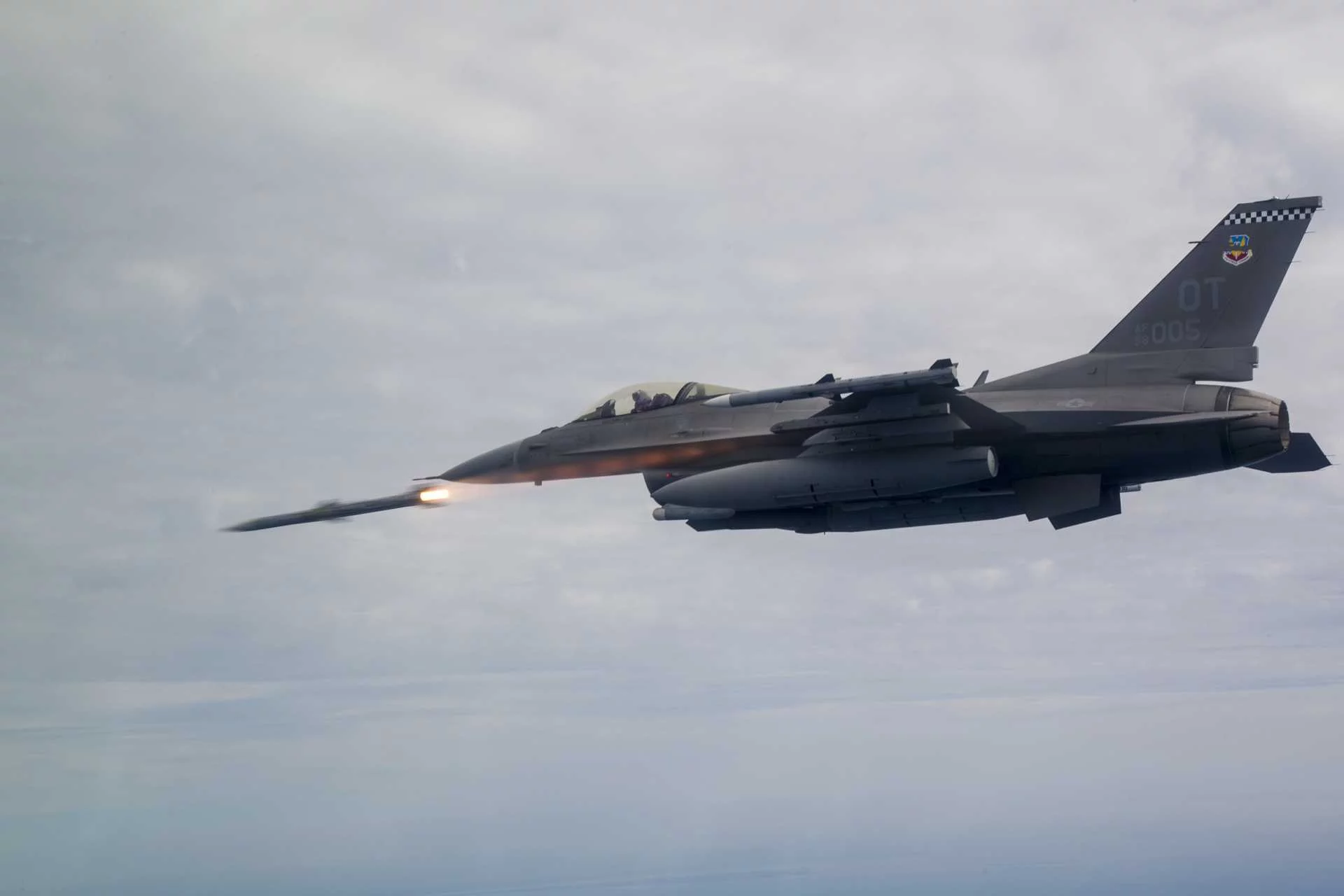
The United States has authorized a $1.22 billion emergency arms package to the United Arab Emirates, centered on the delivery of 400 advanced AIM-120 AMRAAM missiles, in a decisive move to reinforce the Gulf nation’s ability to counter intensifying aerial threats. The deal arrives at a moment of sustained regional tension, where missile salvos and drone incursions have tested the limits of existing air defense systems and forced rapid recalibration of military readiness.
At the heart of the agreement lies the AIM-120 AMRAAM, a cornerstone of modern air combat designed for beyond-visual-range engagements. The package includes AIM-120C-7 and AIM-120C-8 variants, along with guidance sections, support infrastructure, software integration, and logistical assistance. What makes this approval particularly significant is its emergency designation, allowing the U.S. government to bypass standard congressional review timelines in favor of immediate operational deployment.
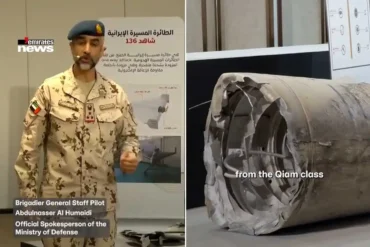
The urgency reflects a rapidly evolving threat environment shaped largely by escalating drone and missile activity attributed to Iran. Over recent weeks, the UAE has recorded extraordinary interception rates, underscoring both the intensity of incoming threats and the strain placed on defensive resources. This new influx of advanced munitions is designed not only to replenish stockpiles but to sustain a high operational tempo in prolonged defensive scenarios.
Why the AMRAAM Matters in Modern Air Warfare
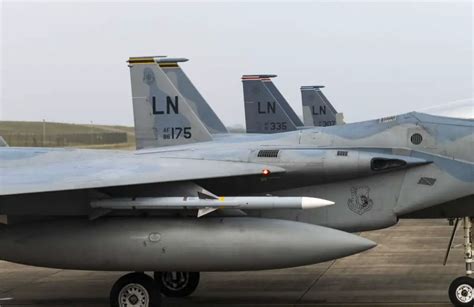
The AMRAAM is not just another missile—it represents a technological leap in aerial combat strategy. Introduced in the early 1990s, it replaced older semi-active systems with a fully autonomous active radar seeker, enabling pilots to launch and disengage without maintaining continuous target lock. This “fire-and-forget” capability dramatically increases survivability and allows aircraft to engage multiple threats in rapid succession.
Its operational process is elegantly lethal. Before launch, targeting data—position, speed, trajectory—is fed into the missile. After release, it follows an inertial navigation path, receiving optional mid-course updates. In its terminal phase, the onboard radar activates, independently acquiring and destroying its target. Even in contested electronic environments, the missile can switch to a home-on-jamming mode, locking onto interference signals themselves.
With speeds exceeding Mach 4 and maneuverability reaching 40G, the AMRAAM is engineered to intercept highly agile targets, including cruise missiles and advanced UAVs. Its range—up to 90 kilometers for C variants—allows defensive forces to neutralize threats long before they approach critical infrastructure.
UAE Air Power: Integration and Tactical Impact
The UAE’s air force integrates the AMRAAM primarily on its fleet of F-16 Block 60 and Mirage 2000-9 aircraft. These platforms form the backbone of the country’s interception and air superiority missions, operating in tandem with ground-based radar and surveillance networks.
This integration transforms each sortie into a multi-threat engagement platform. Pilots can launch multiple missiles in a single mission, targeting drones, ballistic missiles, or hostile aircraft simultaneously. The result is a layered defense system where speed, range, and autonomy converge, dramatically improving interception success rates.
Recent operational data paints a vivid picture of the system under pressure. During peak phases of activity in early March 2026, UAE forces were intercepting 150 to 250 targets daily, with cumulative figures reaching nearly 2,000 threats within three weeks. Despite the intensity, interception success rates remained impressively high—between 90 and 95 percent—a testament to both the technology and the crews operating it.
A Region Under Pressure: The Strategic Context
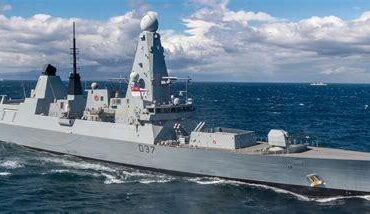
This missile sale is not an isolated transaction but part of a broader strategic recalibration across the Middle East. Iran’s expanding arsenal of drones and ballistic missiles has reshaped regional defense priorities, compelling neighboring states to invest heavily in integrated air and missile defense systems.
The UAE, positioned at a critical crossroads of global energy routes and economic infrastructure, has become a focal point for such investments. The latest AMRAAM deal complements a series of parallel acquisitions, including advanced radar systems and counter-drone platforms, all designed to create a multi-layered defensive shield.
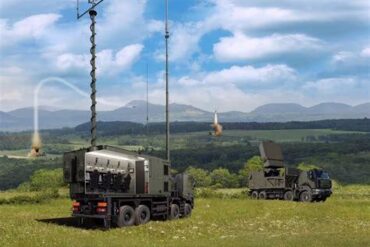
In particular, the integration of long-range radar with missile systems enhances early detection and engagement windows, giving defenders precious seconds—often the difference between interception and impact. This layered approach ensures that threats can be tracked, targeted, and neutralized at multiple stages of their trajectory.
Beyond Missiles: A Comprehensive Defense Ecosystem
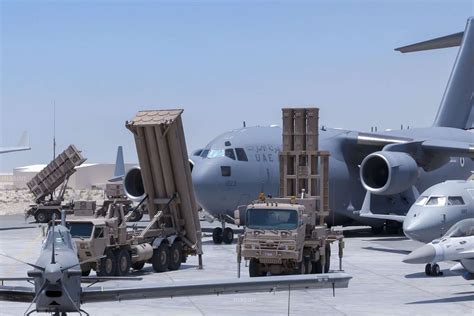
The AMRAAM package is only one piece of a much larger puzzle. Simultaneously approved deals include precision-guided munitions, radar systems, and counter-UAV technologies, reflecting a holistic approach to modern warfare. These systems are designed to operate in concert, creating a networked battlespace where information flows seamlessly between sensors and shooters.
One of the most notable additions is the integration with advanced radar platforms capable of distinguishing between decoys, drones, and ballistic threats. This capability is critical in an era where adversaries increasingly rely on swarm tactics and electronic warfare to overwhelm defenses.
The UAE’s strategy emphasizes interoperability, ensuring that aircraft, missiles, and ground systems communicate in real time. This not only increases efficiency but also reduces response times, allowing for rapid, coordinated engagements across multiple domains.
International Support and Coalition Dynamics
The United States is not acting alone in bolstering UAE defenses. Allies such as Australia have contributed additional support, including the deployment of airborne early warning assets like the E-7A Wedgetail. These platforms extend surveillance coverage and provide real-time targeting data, significantly enhancing interception capabilities.
This multinational involvement underscores the global stakes of regional stability. By reinforcing the UAE’s defensive posture, allied nations aim to deter escalation and maintain secure trade routes through the Gulf—a region vital to the world economy.
The presence of airborne early warning systems also introduces a force multiplier effect, enabling fighters armed with AMRAAMs to engage targets with greater precision and at longer ranges. It’s the difference between reacting to threats and anticipating them.
Technological Evolution: The AMRAAM’s Ongoing Edge
The AMRAAM family has undergone continuous evolution, with each variant introducing improvements in range, accuracy, and resistance to countermeasures. The C-7 and C-8 models included in this deal feature enhanced guidance systems and refined aerodynamics, ensuring compatibility with modern fighter aircraft and stealth platforms.
Future iterations, such as the AIM-120D series, push these capabilities even further, incorporating GPS-assisted navigation and two-way data links. These upgrades expand the missile’s “no-escape zone,” making it increasingly difficult for targets to evade interception once engaged.
This constant innovation ensures that the AMRAAM remains a relevant and formidable tool in an era defined by rapid technological change. For the UAE, it means access to one of the most reliable and battle-tested missile systems available today.
Deterrence Through Readiness
Ultimately, the significance of this $1.22 billion deal lies not just in the hardware delivered but in the message it sends. By rapidly equipping the UAE with advanced interception capabilities, the United States reinforces a broader strategy of deterrence through readiness.
In a region where threats can emerge with little warning, the ability to respond swiftly and decisively is paramount. The AMRAAM, with its speed, precision, and autonomy, embodies that capability. It transforms uncertainty into preparedness and vulnerability into resilience.
And here’s the quiet truth behind all the high-tech jargon: when your defense system can track, engage, and neutralize threats faster than they can blink, you’re not just reacting—you’re controlling the tempo of the battlefield.
As tensions continue to simmer, this deal positions the UAE not merely as a recipient of advanced weaponry, but as a central node in a rapidly evolving defense network, one designed to keep the skies secure in an increasingly unpredictable world.