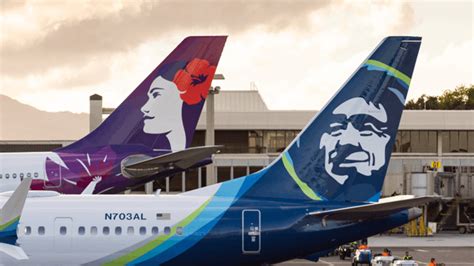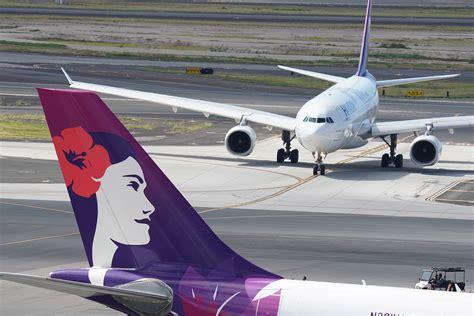
Alaska Air Group’s strategic takeover of Hawaiian Airlines has ignited a new era of operational complexity and bold decision-making. At the heart of the evolving narrative lies one aircraft: the Airbus A321neo. Once heralded as Hawaiian Airlines’ single-aisle game changer, the A321neo now finds itself on the precipice—either destined for expansion or extinction. As Alaska Airlines grapples with the logistical demands of a merged fleet, its stance on the A321neo reveals a broader commentary on fleet philosophy, cost efficiency, and brand identity.
The Inherited Complexity of the Combined Fleet
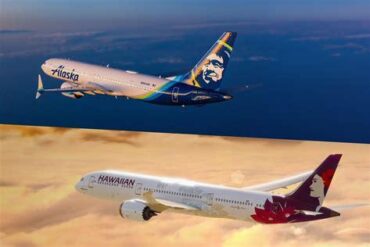
In acquiring Hawaiian Airlines, Alaska Air Group absorbed more than a beloved island carrier. It inherited an eclectic mix of aircraft spanning six distinct models: Boeing 717s, 737s, 787s, Airbus A321neos, A330-200s, and Embraer E175s. This stands in stark contrast to Alaska’s once razor-sharp fleet strategy: a Boeing-exclusive mainline fleet and regional E175s.
This operational divergence marks a pivotal shift for Alaska. Hawaiian’s fleet includes some of the youngest and most efficient aircraft in the skies—yet it also introduces new layers of maintenance logistics, pilot training requirements, and fleet integration challenges.
Hawaiian’s A321neo: A Strategic Asset, Not Just a Plane
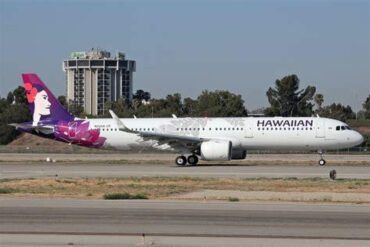
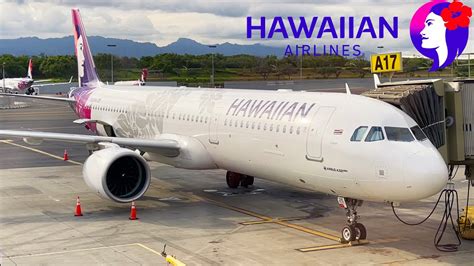
Hawaiian Airlines first introduced the Airbus A321neo in 2017, positioning it as a cost-effective, mid-capacity solution for transpacific routes. Registered as N202HA and named Maile, the aircraft marked the beginning of a new operational chapter. The goal was clear: serve West Coast markets from Hawaii where a widebody aircraft like the A330 would be too much plane for too little demand.
With 18 A321neos currently in service and an average age of just seven years, the fleet has proven integral to Hawaiian’s mission. It connects secondary West Coast cities—Oakland, Sacramento, Long Beach, and Las Vegas—to Hawaiian airports with improved frequency and operational profitability. It also performs high-demand interisland routes with greater passenger capacity than the aging Boeing 717s.
Passenger experience onboard is tailored with 16 recliner-style first class seats, 173 economy seats (43 of which offer extra legroom), and Starlink WiFi across the board. Though lacking personal seatback entertainment, the A321neo maintains Hawaiian’s signature in-flight ambiance and service.
Alaska’s History With Airbus: A Hard-Learned Lesson
Alaska’s resistance to Airbus narrowbodies is not ideological—it’s historical. The airline’s 2016 acquisition of Virgin America introduced nearly 70 Airbus A320 family aircraft into its all-Boeing operation. These aircraft, while efficient in their own right, ultimately clashed with Alaska’s desire for fleet uniformity.
Over time, Alaska phased out all Virgin-inherited Airbus models, citing heightened operational complexity, maintenance costs, and training expenses. By 2024, the last Airbus A321 from the Virgin America fleet was retired, signaling a return to a singular fleet focus—Boeing 737s.
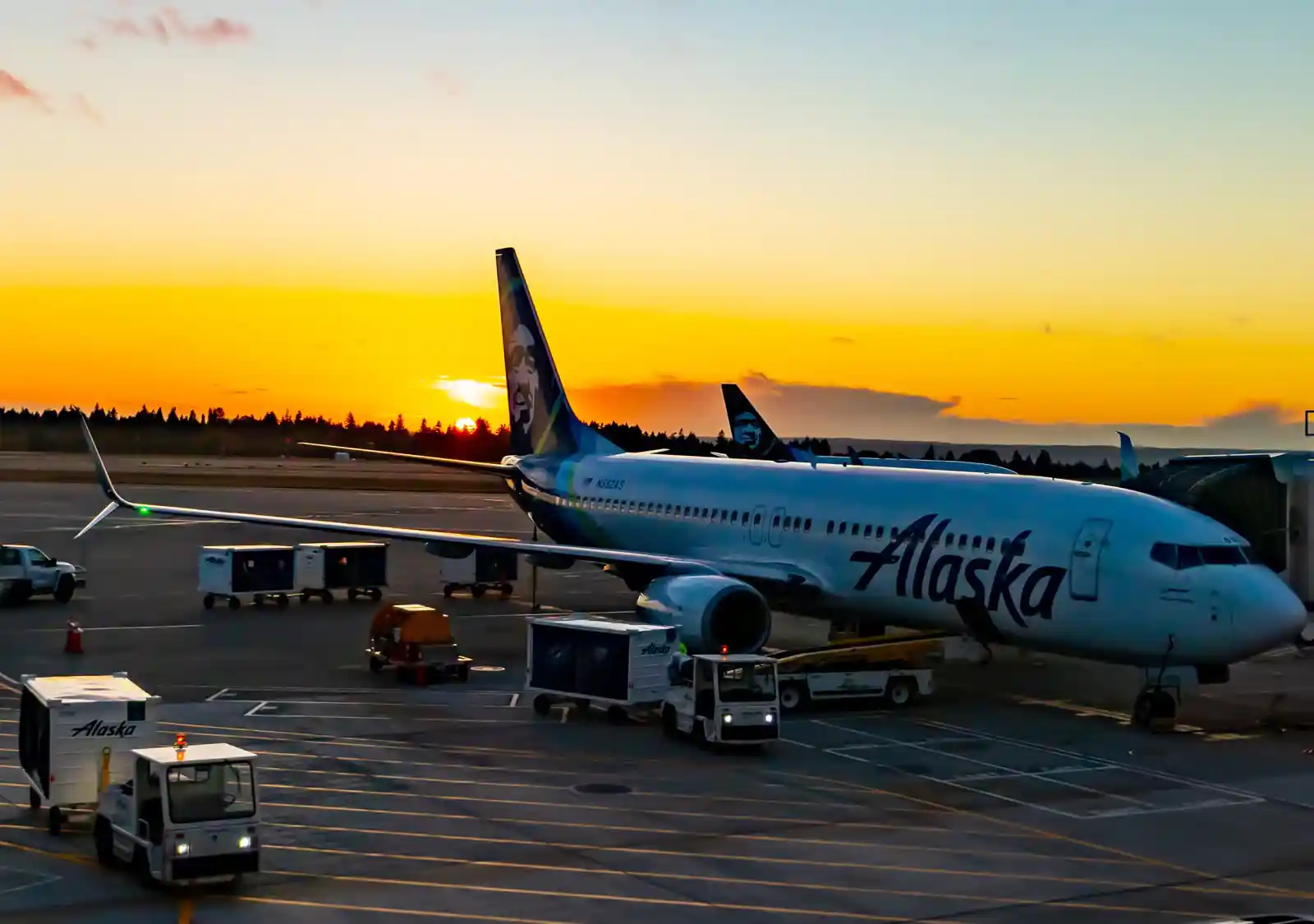
Today, Alaska’s mainline fleet consists of 248 Boeing 737 aircraft, spanning the 737-700, -800, -900ER, MAX 8, and MAX 9 variants. Each aircraft is part of a cohesive operational blueprint designed to minimize cost and streamline crew training. The success of this Boeing-centric strategy is influencing the airline’s current A321neo debate.
The Argument for A321neo Elimination
During a December 2025 investor conference, CFO Shane Tackett made a telling statement: unless Alaska sees a clear reason to retain the A321neo, the fleet will likely be phased out. “If we don’t,” Tackett said, “then we’d probably end up in a place over time that was a single narrowbody fleet.”
The logic echoes Alaska’s post-Virgin era philosophy:
- Dual fleet operations increase staffing complexity.
- Maintenance costs rise when multiple aircraft families are supported.
- Pilot training pipelines become bifurcated.
Given the need to operate under a single certificate post-merger, Alaska is under pressure to simplify. For Alaska, standardization is not just ideal—it is a core pillar of its business model.
Boeing 737 MAX: The Natural Replacement Path
For Alaska, the Boeing 737 MAX family is more than an aircraft line—it is a proven partner in fleet transformation. The MAX 9, already in service, and the upcoming MAX 10 offer viable one-for-one replacements for Hawaiian’s A321neos.
The 737 MAX 9, with a 3,800-nautical-mile range, matches Hawaiian’s transpacific needs. Its passenger capacity of 178 seats closely mirrors the A321neo’s 188-seat layout. Furthermore, integrating more MAX 9s poses no logistical challenges for Alaska.
The 737 MAX 10, though still awaiting certification, offers even more potential. With a range of 3,600 nautical miles and the ability to seat up to 228 passengers, it aligns well with Hawaiian’s existing missions. In a two-class layout, it could seat approximately 190 passengers, further narrowing the gap with the A321neo.
However, relying on the MAX 10 introduces timing challenges. Certification delays from regulatory authorities have pushed the aircraft’s entry into service to an uncertain future, making it a long-term, not immediate, solution.
The Case for Doubling Down on the A321neo
While Alaska leans Boeing, there is also internal openness to another path: expanding the A321neo fleet. Mr. Tackett acknowledged that if Alaska had “a line of sight to doubling the size” of Hawaiian’s A321neo footprint, it would pursue that opportunity.
This isn’t mere lip service. The A321neo provides tangible benefits that Boeing narrowbodies struggle to match:
- Fuel efficiency and longer overwater range make the A321neo ideal for island-mainland hops.
- Fleet alignment with Hawaiian’s A330-200 simplifies pilot transition and cross-training.
- Hawaiian’s existing Airbus maintenance infrastructure reduces marginal costs of fleet expansion.
Moreover, Hawaiian’s A321neos are financially viable assets. They’re young, modern, and already fitted with Starlink connectivity. Replacing them would mean absorbing losses on recent investments and incurring new capital expenditure for Boeing replacements.
Beyond Fleet Logic: Brand Identity and Market Fit
Fleet decisions are not made in a vacuum. Hawaiian Airlines is more than its aircraft; it’s a brand deeply tied to the Hawaiian travel experience. Aircraft interiors, onboard service, and network planning are woven into its identity.
Retaining Airbus narrowbodies helps preserve this brand distinction. Unlike Alaska’s more utilitarian aesthetic, Hawaiian’s A321neo cabins carry the airline’s cultural DNA. A complete Boeing conversion could dilute this differentiator—an intangible but commercially powerful aspect of its market appeal.
Intertwined Debates: The Boeing 717 Retirement Looms
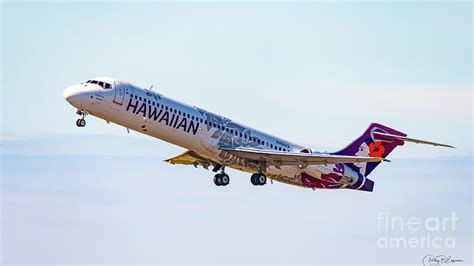
Parallel to the A321neo conversation is the imminent retirement of the Boeing 717, Hawaiian’s dedicated interisland workhorse. Averaging 24 years in age, the 717s are nearing obsolescence. Parts are scarce, fuel economics are poor, and replacements are needed soon.
Alaska has floated the 737 MAX 7 as a possible successor. Though significantly larger than the 717, it offers better fuel burn and aligns with Alaska’s Boeing-centric vision. However, other options exist:
- Airbus A220: Efficient, modern, and suited to short legs.
- Embraer E2: A proven high-frequency regional solution.
Tackett noted that while a Boeing replacement is likely, the final decision will prioritize operational fit over brand allegiance. Interisland flights are uniquely demanding—short hops, quick turnarounds, and multiple cycles per day. The replacement must be built for resilience, not just fleet alignment.
Strategic Crossroads: Simplicity vs. Specialization
Alaska Airlines now stands at a strategic crossroads, forced to balance operational simplicity against market specialization. The A321neo is more than a plane—it’s a symbol of that dilemma.
Will Alaska double down on fleet uniformity and phase out Airbus aircraft? Or will it embrace the nuanced benefits of keeping Hawaiian’s Airbus tools intact? The decision will ripple across maintenance hangars, pilot unions, financial forecasts, and most importantly, passenger experiences.
In a time when airlines are increasingly judged by their adaptability, Alaska’s next move will showcase whether discipline or flexibility wins the skies.