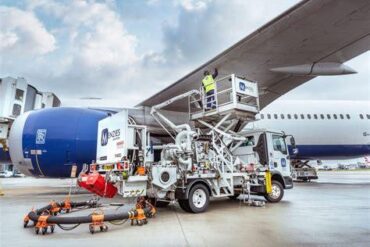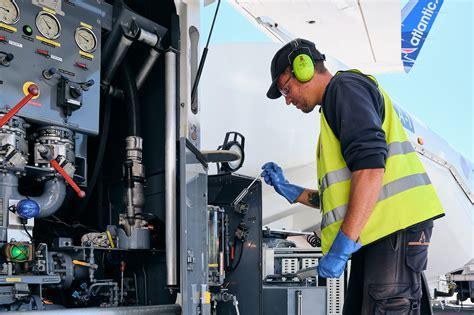
In-flight fuel management involves the pilot’s duties concerning fuel verification, usage, monitoring, recording, and reconciliation on the aircraft. This process also includes considerations made on the ground, such as fuel consumed during pre-takeoff and post-landing operations.
The main threats to effective in-flight fuel management are complacency, non-compliance with company policies, and intentional deviations from the flight plan. Poor management can lead to operational, legal, and financial issues.
Operationally, inadequate fuel management may require a return to the gate for more fuel, necessitate a change to a closer alternate airport, or even force an enroute diversion for refueling. While these outcomes are not inherently dangerous, they disrupt schedules and indicate an inability to complete the flight as intended. Complacency could delay the identification of a fuel leak, while intentional deviations can result in unexpected fuel consumption. In severe cases, this mismanagement can lead to fuel exhaustion, risking the aircraft and its occupants.
Legally, regulations specify the minimum fuel required for flights. Non-compliance with these rules can lead to enforcement actions, including suspension of licenses or financial penalties for the pilot and the airline.
Financially, fuel often represents the largest expense for aviation companies. Inefficient fuel management can increase costs due to higher consumption and expenses related to diversions and schedule disruptions. Enforcement actions from regulatory bodies can add financial burdens as well.
To mitigate these risks, pilots must diligently manage fuel throughout all flight phases. They should verify that sufficient fuel is onboard before departure, ensuring the correct amount has been loaded and any discrepancies reconciled. Factors like potential delays, de-icing needs, and payload changes should also be considered.
During start and taxi, pilots should evaluate pushback times and whether to operate all engines based on company policy. It’s crucial to comply with manufacturer limitations regarding engine warm-up periods and to ensure enough fuel remains for takeoff.
In the climb phase, maintaining the planned speed is optimal. Pilots should check for leaks by comparing burned fuel against the original load. As they approach cruising altitude, they may need to adjust based on actual weight and temperature.
Once in cruise, pilots should regularly check fuel levels and trends, making adjustments early if consumption appears higher than expected. If necessary, they should consider changing to a closer alternate airport.
In descent, the goal is to achieve a continuous descent profile, conserving fuel as much as possible. During holding patterns, pilots must confirm adequate fuel for expected delays, refusing clearance if necessary.
Finally, during approach and landing, pilots should aim for configurations that minimize drag and fuel use. Taxi procedures should also align with company policies for fuel conservation.
Ultimately, effective in-flight fuel management requires awareness, discipline, and adherence to regulations and policies. It is essential for pilots to plan fuel usage carefully and execute those plans throughout every flight phase.