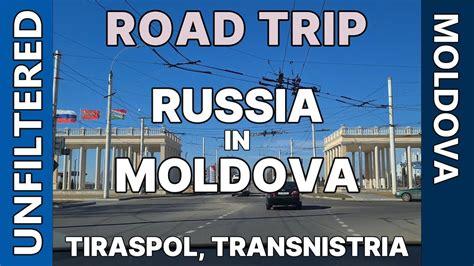
Tucked between Moldova and Ukraine, Transnistria stands as one of Europe’s most surreal and enigmatic destinations, drawing bold travellers intrigued by its preserved Soviet-era aesthetic, unrecognized political status, and time-frozen atmosphere. Despite lacking international legitimacy, this self-declared republic offers a rare and powerful glimpse into Cold War history, with Lenin statues, red star emblems, and Soviet relics still dominating daily life. For tourists seeking an offbeat journey far from mainstream Europe, Transnistria delivers a unique fusion of forgotten history, geopolitical intrigue, and budget-friendly adventure—all wrapped in a landscape that defies the modern world.
Transnistria: The Forgotten Soviet Echo Drawing Curious Global Tourists
Hidden along the eastern edge of Moldova, nestled between the Dniester River and the Ukrainian border, lies Transnistria—a curious and controversial land that defies easy definition. Unrecognized by the United Nations and most of the international community, this narrow territory claims independence but remains legally part of Moldova. Still, for adventurous travellers, it offers a rare glimpse into a preserved pocket of Soviet history, untouched by the rapid modernization seen elsewhere in Eastern Europe.
A State That Exists Without Recognition
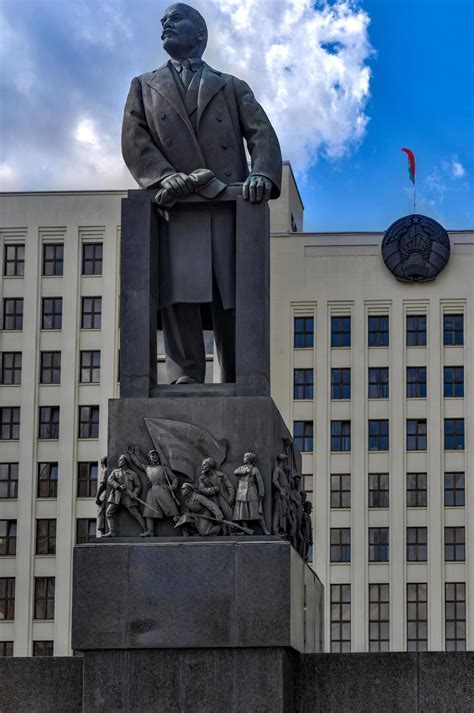
In 1990, just ahead of the Soviet Union’s dissolution, Transnistria proclaimed its independence as a self-declared breakaway republic. Since then, it has operated with the full trappings of a sovereign state—a functioning government, military, currency, national anthem, constitution, and even a postal system. Yet not a single UN member state formally recognizes its existence. It remains, on paper, a region of Moldova, though practically it runs its own affairs with firm resolve. Although located just a few hundred kilometers from the core of the European Union, Transnistria feels like an entirely different world. Its flag still bears the hammer and sickle, a bold emblem of Soviet communism that has long vanished elsewhere. Busts and statues of Lenin still stand in public squares, and the architecture reflects mid-twentieth-century Soviet urban planning, with massive concrete blocks and austere administrative buildings dominating the skyline.
Time Travel in the Capital City
Travelers to Tiraspol, the capital of Transnistria, frequently liken the city to a place frozen in time. Trams rattle along tracks that seem frozen in the 1980s, while outdated trolleybuses still connect neighborhoods. Red stars, patriotic murals, and public tributes to Communist ideals are part of daily scenery. Souvenir vendors in Tiraspol offer everything from Transnistrian rubles to Putin-themed memorabilia and retro Soviet relics. It is not uncommon for tourists to take selfies in front of Lenin statues or outside administrative buildings flying the red and green flag with pride. The city, despite its somber tone, has an oddly appealing charm—for those seeking an offbeat destination steeped in geopolitical complexity and historical nostalgia.
Russian Influence and Fragile Stability
Although Transnistria runs its internal affairs, it maintains close political, military, and economic connections with Russia. Moscow provides essential support, including previously subsidized energy supplies, which have allowed the territory to endure despite lacking international legitimacy. However, recent developments have strained this relationship. With tightening economic conditions and a reduction in Russian energy support, the region is entering a period of uncertainty. The Moldovan government declared an energy emergency in December 2024 due to an impending cut-off in gas supplies effective January 1, 2025. The resulting shortages have prompted concerns over widespread blackouts and a growing economic slump in the already-isolated region. Meanwhile, the potential for military escalation looms. Reports have emerged suggesting that Transnistria could become a new staging ground for Russian troops, with as many as ten thousand personnel potentially being deployed. This has intensified concerns among neighboring countries and raised red flags with European security analysts.
Tourists Flock to Europe’s Most Unusual Destination
Yet, despite these challenges and warnings from foreign offices, Transnistria is emerging as an unconventional tourist destination. UK tourists, in particular, have been drawn to the area for its low costs and intriguing Soviet-era atmosphere. From low-cost accommodation to extremely cheap alcohol, the territory appeals to budget-conscious tourists looking for a different kind of European experience. One traveller, who journeyed to the area last year, described it as “the cheapest place in Europe,” noting that a bottle of vodka can be purchased for the equivalent of under one British pound. Local cafes and restaurants serve hearty meals at a fraction of Western European prices, and entry fees to museums and landmarks are negligible or free. Travellers should be cautious, however. Because the region is not officially recognized, access to consular assistance and legal support during emergencies can be significantly limited. Additionally, the infrastructure remains dated, and potential power shortages or political tensions could impact visits unexpectedly.
An Offbeat Encounter with the Past
For those willing to embrace its eccentricities, Transnistria offers a uniquely immersive journey into a preserved version of Soviet society. It is one of the few places in the world where Cold War aesthetics, political ideologies, and post-communist struggles still define daily life. Though many question whether Transnistria’s future lies in closer integration with Moldova, autonomy under Russian influence, or continued isolation, its present identity is unmistakable. In a globalized world rapidly shedding the past, this small unrecognized republic invites visitors to pause and experience history as if it never left.