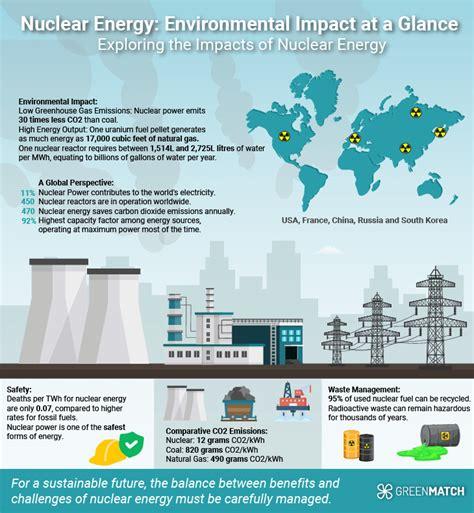
Nuclear energy has long been heralded as one of the most efficient and cleanest sources of power. Compared to traditional fossil fuels like coal and gas, nuclear power does not emit harmful air pollutants or greenhouse gases during its operation. This makes it a highly attractive energy solution, especially as the world grapples with climate change and increasing energy demands. However, is nuclear power truly 100% clean? The answer is not so simple.
The Basics of Nuclear Power Generation
At the core of nuclear power generation is a process known as nuclear fission. Unlike fossil fuel power plants, which burn fuel to generate heat, nuclear reactors split atoms of uranium to produce heat. This heat turns water into steam, which then drives turbines to generate electricity. While the process itself does not release any direct air pollution or carbon emissions, the materials and infrastructure involved in nuclear energy production come with their own environmental costs.
Environmental Impact of Uranium Mining and Plant Construction
The first stage of nuclear energy production begins with uranium mining, which is crucial for providing the raw materials needed for the reactors. Mining for uranium, like other forms of mining, can cause significant environmental damage. It involves digging deep into the earth, potentially disrupting ecosystems, and consuming vast amounts of water. Additionally, the process of extracting uranium from the earth can lead to radioactive waste, which presents its own environmental challenges.
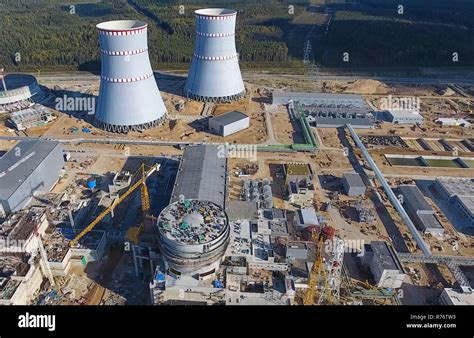
Once uranium is extracted, the next step is the construction of nuclear power plants. The process of building a nuclear facility requires large amounts of concrete, steel, and other materials, all of which have a significant carbon footprint. The production of these materials is energy-intensive and adds to the overall environmental impact of nuclear energy. While the operational phase of a nuclear plant is relatively clean in terms of emissions, the initial construction phase is far from it.
The Clean Energy Myth: Is Nuclear Power Truly Emission-Free?
When people think of clean energy, they often envision sources like wind and solar power, which have minimal environmental impacts during their operation. Nuclear power, however, operates differently. While nuclear reactors themselves do not release pollutants during operation, the entire life cycle of a nuclear power plant involves a significant environmental footprint.
For example, nuclear power plants require massive amounts of energy to build, and during their operation, they still rely on materials like concrete, steel, and uranium, all of which contribute to carbon emissions. Furthermore, the transportation and storage of nuclear fuel also have environmental consequences. Although nuclear energy is far cleaner than fossil fuels in terms of direct emissions, it is not entirely free of environmental costs.
The Problem with Nuclear Waste
One of the most significant challenges with nuclear power is the issue of radioactive waste. After uranium is used in a nuclear reactor, the remaining material remains highly radioactive and can stay dangerous for thousands of years. This waste cannot simply be discarded in a landfill like other types of waste. It must be carefully stored in secure facilities to prevent radiation from leaking into the environment.
Currently, spent nuclear fuel is stored in large pools of water at nuclear power plants. Over time, this waste is moved to dry storage containers made of steel and concrete. These storage systems are designed to withstand natural disasters like floods, fires, or earthquakes. However, the long-term storage of nuclear waste remains an unresolved issue. Very few countries have established permanent, long-term disposal solutions for nuclear waste, and the political and public opposition to nuclear waste disposal sites further complicates the issue.
Nuclear Waste Recycling and Reprocessing Technologies
In an attempt to address the growing problem of nuclear waste, some countries are investing in recycling and reprocessing technologies. These methods aim to extract usable materials from spent nuclear fuel, which could then be reused in reactors. While these technologies show promise, they are still in the early stages of development and have not yet been fully implemented on a large scale.
Nuclear Accidents and Their Environmental Legacy
Nuclear power has not been without its disasters. The infamous Chernobyl disaster of 1986 and the Fukushima Daiichi incident in 2011 are etched in public memory, with widespread fears of radiation exposure and long-lasting environmental damage. These events have shaped global public perception of nuclear power, leading to hesitation in adopting this energy source in many regions.
However, it is important to note that nuclear technology has evolved significantly since these incidents. Modern nuclear reactors are designed with much greater safety protocols, making accidents far less likely. Nonetheless, the environmental and societal impact of past nuclear accidents continues to influence the discourse around nuclear energy.
The Future of Nuclear Power: Clean, But Not Perfect
While nuclear power remains a relatively clean energy source when compared to fossil fuels, it is not without its environmental drawbacks. The mining of uranium, the construction of power plants, the storage of nuclear waste, and the risk of accidents all contribute to the environmental footprint of nuclear energy. Although the carbon emissions from nuclear power plants during their operation are minimal, the full life cycle of a nuclear power plant involves environmental costs that cannot be ignored.
In conclusion, nuclear power can be considered one of the cleaner energy sources available today, particularly when compared to coal, oil, or gas. However, it is not without its environmental challenges, and labeling it as 100% clean would be misleading. As we move forward, the development of more sustainable nuclear technologies, coupled with solutions for nuclear waste disposal, will play a crucial role in determining how clean and sustainable nuclear power can become in the future.