Boeing is preparing for one of the most important transitions in its modern commercial aviation history. After years of focusing on recovering existing aircraft programs, the company expects to redirect engineering resources toward its first all-new airliner design in nearly two decades once the 737 MAX 10 and 777X complete certification milestones.
Boeing Chief Executive Officer Kelly Ortberg revealed that the manufacturer could be financially ready to launch a clean-sheet aircraft program by 2030. His comments signal a major strategic shift for the company, which has spent much of the past decade managing production challenges, certification delays, and efforts to rebuild confidence across the aviation industry.
The announcement came shortly before the Farnborough Airshow, where major aircraft manufacturers traditionally showcase their latest technologies and commercial strategies. However, Boeing emphasized that its immediate priority remains completing and stabilizing current aircraft programs before committing billions of dollars to a completely new platform.
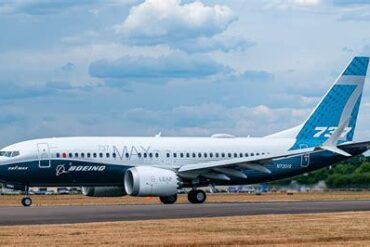
Boeing’s return to a clean-sheet aircraft program depends heavily on successfully completing the remaining certification work for its existing lineup. The 737 MAX family and the 777X have consumed significant engineering resources, financial investment, and management attention over recent years.
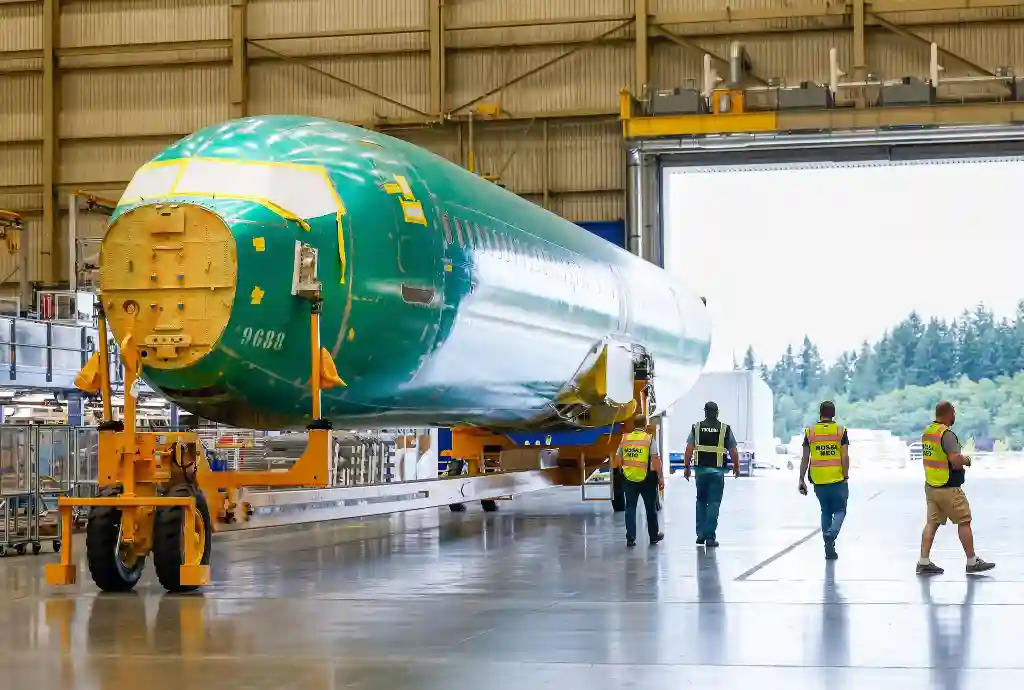
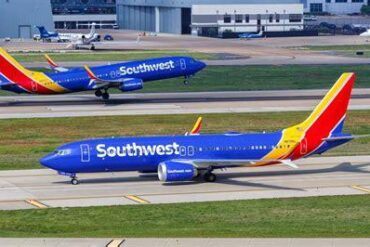
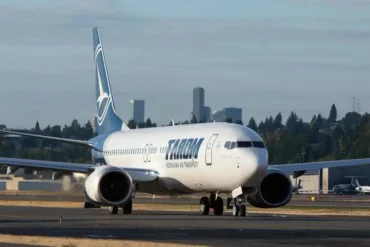
The 737 MAX program has faced some of the most difficult challenges in Boeing’s history. Following the crashes involving Lion Air Flight 610 and Ethiopian Airlines Flight 302, the aircraft experienced the longest grounding period of any modern commercial aircraft program. Additional scrutiny returned after the 2024 door plug incident involving a MAX aircraft, leading to further questions about Boeing’s manufacturing standards and quality control systems.
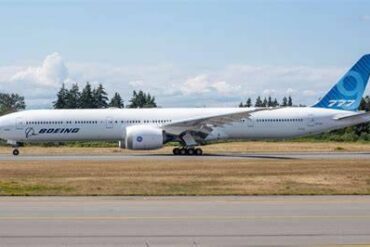
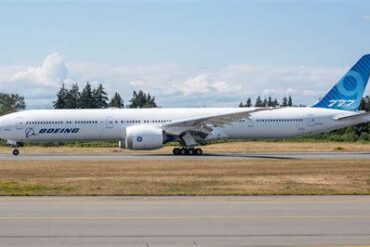
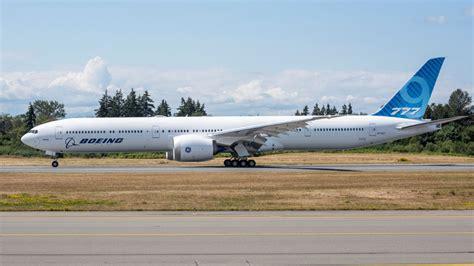
The 777X, meanwhile, has experienced a lengthy development timeline. Originally expected to enter service in 2020, the widebody aircraft has faced delays caused by certification requirements and development challenges. First deliveries are now expected later than originally planned, making program completion a critical milestone for Boeing’s future strategy.
Boeing’s Next Aircraft Could Become the New 797
Once Boeing completes certification work and stabilizes production, the company believes engineers will finally have the capacity to begin developing a completely new aircraft family. Ortberg explained that finishing current programs would allow Boeing to move valuable technical resources toward future aircraft development.
“We’ve had a lot of resources applied to those programmes and finishing those up will allow us to transfer resources on to the new aeroplane development work,” Ortberg said.
Industry speculation suggests Boeing’s next aircraft could become a new single-aisle family, sometimes informally referred to as the Boeing 797. However, the aircraft is unlikely to simply replace one existing model. Instead, Boeing may create a flexible platform designed to cover a wider range of airline requirements.
The proposed aircraft could potentially serve markets between the 737 MAX and larger aircraft such as the 757 and 767, offering seating configurations estimated between approximately 160 and 240 passengers. A scalable design would allow airlines to operate different versions while maintaining greater fleet commonality.
Such an aircraft would represent a major evolution in Boeing’s commercial strategy. Rather than developing a single replacement model, the company could create a complete family capable of competing across multiple segments of the global airline market.
Manufacturing Lessons From the 737 MAX, 787, and 777X
Boeing’s next clean-sheet aircraft is expected to incorporate lessons learned from its current production programs. The company has invested heavily in improving manufacturing processes, digital engineering methods, and factory efficiency.
The manufacturer recently regained more control over aircraft certification processes after the Federal Aviation Administration restored Boeing’s authority to issue certain airworthiness certificates. This milestone followed improvements in safety procedures and quality oversight after the 737 MAX crisis.
Production recovery has also accelerated. Boeing has increased 737 MAX output after years of restricted production rates, while facilities such as the Everett, Washington factory continue preparing for future aircraft manufacturing needs.
A new aircraft program would likely focus heavily on modular manufacturing, allowing different versions of the same airframe to be produced more efficiently. This approach could reduce production complexity while improving reliability and delivery speed.
The experience gained from the 787 Dreamliner, 777X, and MAX programs will be especially important. Boeing’s future aircraft must balance advanced technology with manufacturing simplicity, avoiding some of the costly production challenges experienced during previous projects.
Boeing Faces Strong Competition From Airbus
Boeing’s next aircraft program will enter a highly competitive market. Airbus has strengthened its position in the single-aisle segment with the A321neo and A321XLR, aircraft that have become popular replacements for older Boeing 757 fleets.
The absence of a direct 757 successor has been a long-standing challenge for Boeing. Many airlines have chosen Airbus aircraft to fill the gap between traditional narrowbody and widebody operations.
A future Boeing aircraft must therefore offer significant advantages in efficiency, range, passenger capacity, and operating costs. Airlines will expect improvements in fuel consumption, maintenance requirements, and environmental performance.
Airbus is also developing future aircraft concepts, meaning Boeing faces pressure to deliver a next-generation platform before its European competitor gains additional market momentum.
A New Era Begins After Boeing’s Recovery
Boeing’s decision to prepare for a new aircraft program represents more than a product launch. It marks a potential turning point after years of crisis management and recovery efforts.
The company’s immediate focus remains completing certification of the 737 MAX 10 and 777-9, supporting existing airline customers, and maintaining production quality. Once those goals are achieved, Boeing engineers could finally move toward designing the company’s next generation of commercial aircraft.
The future Boeing aircraft will likely define the manufacturer’s role in commercial aviation for decades. If successful, it could restore Boeing’s position as an industry leader while introducing a new era of aircraft design, manufacturing efficiency, and airline operations.