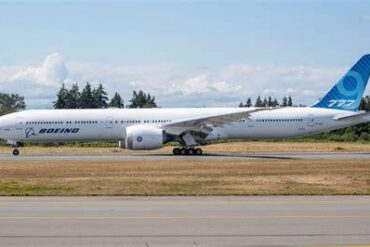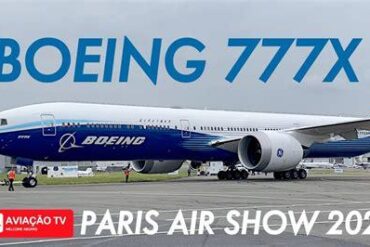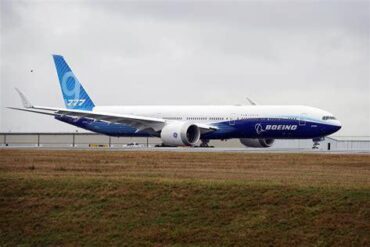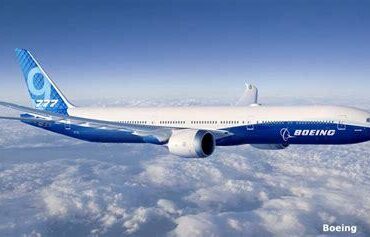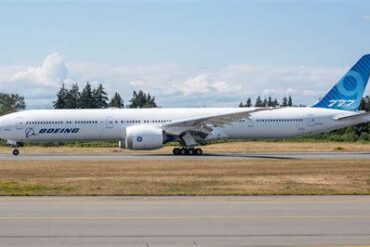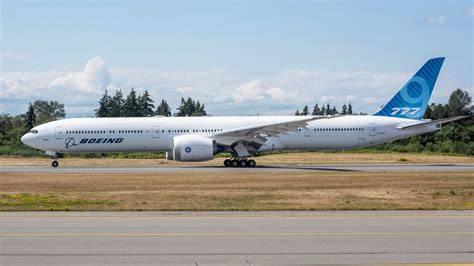
The Boeing 777X is approaching another critical point in its long and difficult certification campaign, with a potential labor stoppage threatening to interrupt engineering work on the aircraft. Boeing CEO Kelly Ortberg has warned that a strike by roughly 17,000 engineers and technical employees represented by the Society of Professional Engineering Employees in Aerospace (SPEEA) could effectively stop the 777X certification program until the workers return. The warning comes as Boeing and SPEEA work through a new contract agreement.
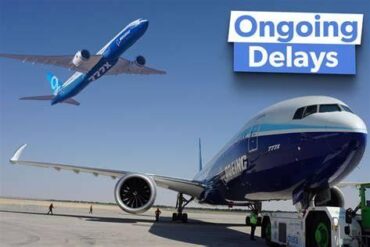
The timing is especially important because the 777X remains on course for a planned 2027 entry into service, years later than its original target. The aircraft was initially expected to enter airline service in 2020, but development problems, the coronavirus pandemic and broader production-quality challenges pushed the schedule repeatedly. Boeing is now in the final stages of a flight-test and regulatory campaign, making the availability of engineering personnel particularly important.
The potential strike follows an earlier contract rejection by SPEEA members. Boeing and the union subsequently reached a tentative four-year agreement on September 11, with the proposal including a 10% general wage increase and further annual increases through 2030. Reuters reported that the current contract expires October 6, meaning the agreement must be ratified to remove the immediate threat of a walkout.
Boeing 777X Certification Depends on Engineering Work
A strike would matter to the 777X because certification is not simply a matter of completing flight tests. Engineers and technical specialists are involved in analyzing test data, preparing documentation, closing regulatory findings, supporting design changes and completing the evidence required by the Federal Aviation Administration. Boeing has said the 777-9 has reached major certification milestones, while flight testing and regulatory work continue.
Ortberg’s warning therefore points to a practical bottleneck rather than a symbolic disruption. If the engineers responsible for certification work stopped working, Boeing could lose the personnel needed to process ongoing tests and complete required technical packages. Ortberg said that, if a strike occurred, “essentially the 777 certification program shuts down” until the engineers returned.
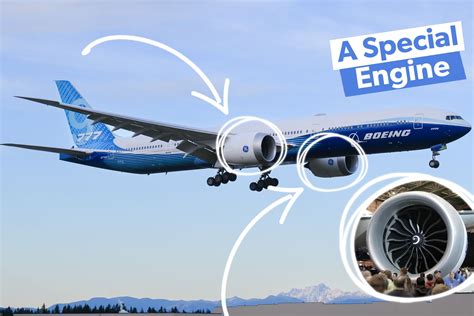
The aircraft already faces another technical obstacle involving its GE Aerospace GE9X engines. Boeing has not yet received authorization to begin the ETOPS portion of the 777-9 certification campaign because of a durability issue involving a GE9X mid-seal. GE says it identified the root cause earlier this year, redesigned the component and began shipping engines incorporating the new seal during the third quarter. The company expects FAA certification of the redesigned component within the next few months.
GE9X Issue Adds Pressure to the 2027 Timeline
ETOPS approval is particularly important for a large twin-engine aircraft intended for extensive long-haul operations. Boeing CEO Kelly Ortberg said in September that additional testing of the GE9X solution was taking longer than originally expected, and some 777X testing could spill into 2027. Despite that complication, Boeing continues to plan for 2027 deliveries.
The potential engineering strike would therefore arrive while the program is already working through a separate certification challenge. A work stoppage would not necessarily cancel the 2027 target, but it could reduce Boeing’s schedule flexibility. For Boeing, the labor dispute has become another schedule risk at precisely the moment when the 777X needs uninterrupted certification momentum and focus.
Boeing 777X Order Book Remains Strong
Airlines have continued to commit heavily to the 777X despite the long development period. The 777-9 accounts for the largest share of the program’s firm orders, with Emirates by far the biggest customer. Fleet data cited in the reference material shows about 560 firm 777-9 orders, including 235 for Emirates, while Qatar Airways has 90, Korean Air 40 and Cathay Pacific 35.
Emirates also holds the only current firm orders for the smaller 777-8, with 35 aircraft, while the 777-8 Freighter has accumulated 89 firm orders. Qatar Airways is the largest customer for the freighter, with 34 aircraft ordered.
A Strike Could Also Affect Boeing 737 MAX Production
The 777X would not be the only Boeing commercial program exposed to a SPEEA strike. The same engineering and technical workforce supports work connected with other aircraft programs, including the 737 MAX family and the delayed 737-10. Boeing is still working to stabilize MAX production after years of certification, manufacturing and quality-related disruption.
The company has increased its permitted 737 production rate from the 38-aircraft monthly cap imposed after the 2024 Alaska Airlines door-plug accident, first to 42 and then to 47 aircraft per month. Boeing is still working toward that rate, and a large engineering walkout could complicate production certification and technical support as the company tries to increase output.
For the 777X, however, the immediate concern is certification. The aircraft has already consumed years of development time and billions of dollars, while airlines continue waiting for deliveries. Boeing and SPEEA now have a tentative agreement that could prevent a strike, but until the contract is ratified, the possibility remains an important variable in the program’s already crowded 2027 timeline.