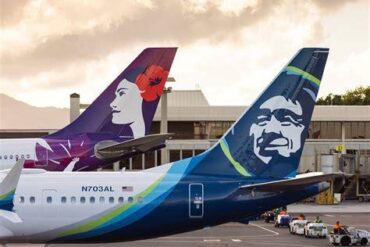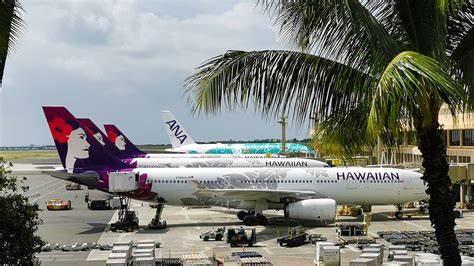
Hawaiian Airlines has confirmed a fresh round of Oahu-based layoffs, issuing a Worker Adjustment and Retraining Notification (WARN) notice on October 2 that will eliminate 13 non-union positions across three separate workgroups. The cuts, which are scheduled to take effect between December and January, represent the latest phase of post-merger restructuring under Alaska Air Group, the controlling company that acquired Hawaiian in September 2024. While the number of affected employees is relatively small compared to earlier rounds, the decision underscores a continuing pattern of administrative consolidation that has reshaped the carrier’s workforce over the past two years.
According to the filed notice, the majority of the cuts will fall on Hawaiian’s corporate headquarters in Honolulu, where 11 positions will be eliminated. An additional role will be cut within the airline’s cargo division, and one more position will be removed at Daniel K. Inouye International Airport (HNL) . Hawaiian has not disclosed which specific job titles or departments will be affected, though the airline characterized the roles as “interim” positions tied to the combined company’s integration process. In a statement to Simple Flying, Hawaiian confirmed the notifications were issued to 13 Hawai‘i-based, nonunionized employees whose interim roles “will conclude over the next few months.”

The WARN Act requires employers to provide at least 60 days’ notice of possible mass layoffs, giving affected workers time to prepare for job loss, begin searching for new employment, or pursue retraining opportunities. Alaska Air Group has stated that the cuts will be permanent, though no facilities are expected to close as a result. Affected employees will receive a retention bonus, a severance package, and assistance from job-searching services, according to the airline. Such measures are common following major airline mergers, as combined companies seek to trim redundant roles and streamline administrative functions.
This latest action is not an isolated event. Hawaiian Airlines has undergone multiple rounds of post-merger layoffs since the Alaska deal closed. In October 2024, 73 employees were laid off, including 57 in Hawaii and 16 on the Mainland. In January 2025, a second round eliminated 61 Hawaii-based employees, according to the Honolulu Civil Beat. By July 2025, Alaska announced it would cut 252 non-union employees from the Hawaiian workforce, even as it continued hiring unionized pilots and flight attendants to support fleet growth. A March 2026 WARN letter preceded another 48 dismissals, with 41 at headquarters, four at HNL, and three in cargo. Prior to the merger, Hawaiian employed over 1,300 non-union workers; the cumulative cuts have reduced that managerial and administrative workforce by more than half.
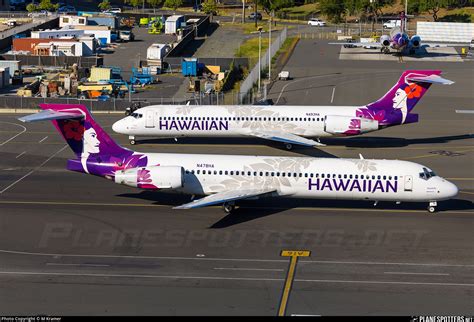
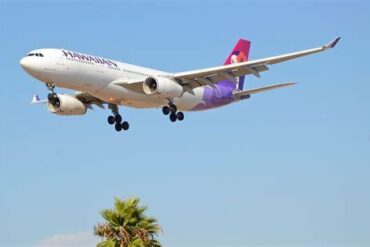
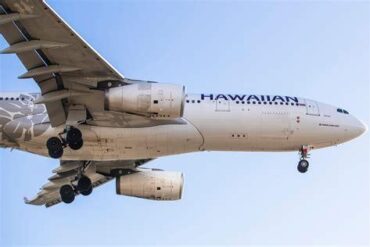
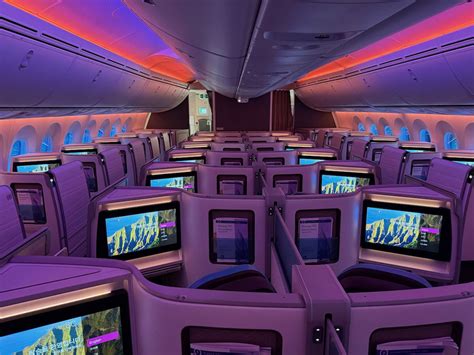
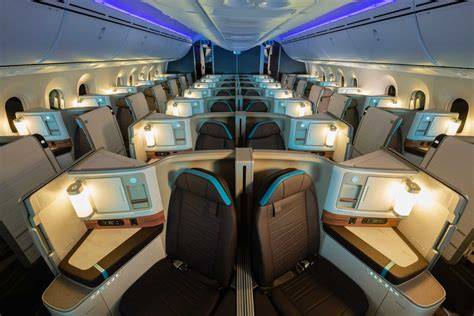
The timing of these layoffs is notable given that both Hawaiian Airlines and Alaska Airlines are simultaneously investing in fleet upgrades and premium passenger experiences. Last month, Hawaiian announced that its Airbus A330 long-haul fleet will be updated with 22 new Leihōkū Business Class suites and the addition of premium economy seating for the first time. A new lounge at HNL for premium passengers is also in development. Alaska’s Boeing 787 Dreamliner fleet will see similar changes: both the 787-9 and 787-10 will receive 34 Aurora Suites along with 28 Premium Reserve seats. The forthcoming 737 MAX 10 will feature 12 Aurora Suites, and at least 25 MAX aircraft will gain 12 Aurora Suites and 12 Premium Reserve seats. Both airlines’ new suites feature the popular Collins Aerospace Super Diamond seat, with bookings opening next summer and upgraded interiors expected to go live in 2028.
The contrast between workforce reductions and product expansion reflects the broader strategic logic of the Alaska-Hawaiian merger. By consolidating back-office functions, the combined company aims to reduce overhead while redirecting capital toward customer-facing improvements and fleet modernization. Alaska Air Group has pledged to keep all unionized employees on staff as part of the regulatory approval of its merger, a commitment that has shielded pilots, flight attendants, and other organized workgroups from the cuts. Non-union administrative and managerial staff, however, have borne the brunt of the integration. A continued downturn in international travel and a sharp increase in jet fuel prices this year have added further cost pressures, prompting the company to accelerate its consolidation efforts.
For the 13 employees receiving WARN notices this month, the immediate future involves severance negotiations, job searches, and retraining. For Hawaiian Airlines, the larger question is whether these recurring cuts will eventually stabilize the carrier’s cost structure or whether further reductions lie ahead. With fleet upgrades underway and route networks still being restructured, the airline appears to be betting that a leaner administrative core will allow it to compete more effectively in a challenging aviation market. Whether that bet pays off will become clearer as the integration with Alaska Airlines continues into 2027 and beyond.