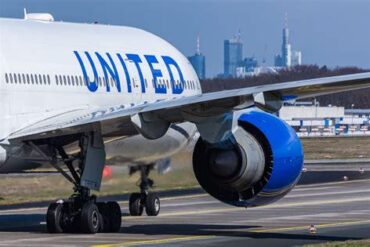
Boeing engineers represented by the Society of Professional Engineering Employees in Aerospace (SPEEA) have voted to ratify a new four-year pay deal, calling off planned strike action that would have crippled the manufacturer’s already fragile production and certification timelines. The agreement, approved earlier this month, delivers an immediate 10% pay rise and a series of incremental increases stretching through 2030. While the margin was far from unanimous, the outcome spares Boeing from another damaging labor disruption at precisely the moment it can least afford one. The vote passed with 67.62% approval among Professional members and a far narrower 53.48% among Technical members, a split that reveals lingering discontent within the ranks even as the immediate threat recedes.
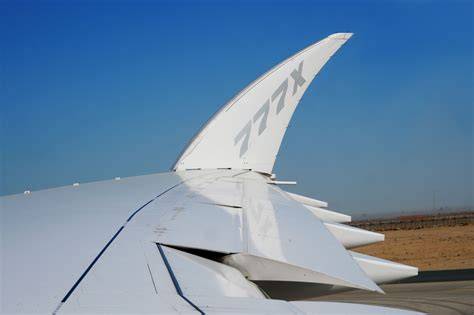
The headline number is the 10% immediate wage increase, but the contract’s true value unfolds over its full term. According to details released by SPEEA, the first raise is followed by a 4% boost in March 2027, then 6% wage pools in 2028, 2029, and 2030, each carrying a guaranteed minimum increase of 4%. When compounded across the four years, this structure delivers a minimum guaranteed compound increase of 28.7%, with the projected average compound gain reaching 36.3%. Against an initial company offer reported at just 3%, the union’s ratification marks a decisive win for engineers who argued that their compensation had fallen behind inflation and the broader aerospace labor market. For Boeing, the calculus is equally compelling: the deal represents what analysts have described as the cheapest possible way to keep the 777X certification and 737 MAX production on track.
Beyond raw wages, the contract introduces a suite of benefits scheduled to phase in at different points. 2027 brings new fertility benefits, a revamped Performance Management process, a 40% increased Employee Incentive Plan target, and higher 401(k) contributions for workers under 40. 2028 adds improved dental benefits, among other provisions. The agreement also rewrites work-from-home language, adds professional-unit overtime limits, and boosts 401(k) contributions for younger employees. These structural changes matter as much as the pay figures, signaling a shift in how Boeing engages a workforce that has grown increasingly assertive since the COVID-era layoffs and the subsequent quality crises that rocked its commercial airplane division.
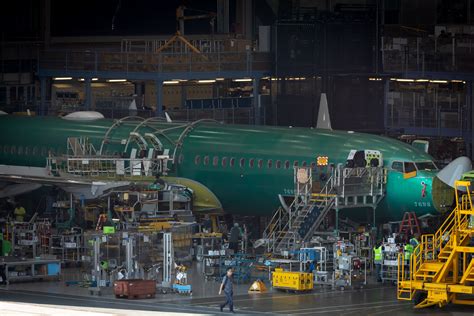
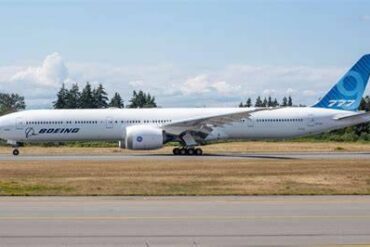
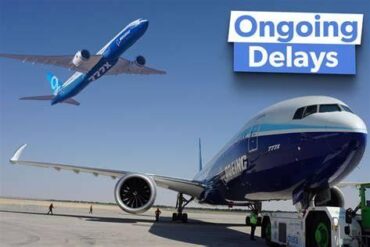
The strike threat arrived at a perilous moment. In early September, it was reported that a walkout could wipe out the 737 MAX’s 42-per-month production rate, delaying Boeing’s push toward 47 and swelling an already enormous backlog. On the widebody side, Boeing CEO Kelly Ortberg warned last month that the 777X’s certification faced a shutdown if engineers walked off the job. The 777X is Boeing’s flagship bet on the next generation of long-haul travel, and any certification delay would have rippled through airline fleet plans for years. With the strike called off, those timelines remain intact, though the narrow Technical-member approval suggests the company has not fully resolved the grievances that brought it to the brink.
SPEEA’s leadership was careful to frame the ratification as a step rather than a destination. In a message to members, the union stated that its “work is not done,” adding: “As we work to restore aerospace professionals and technicians to the center of Boeing’s universe, we must continue to build our union strength and our networks so that when called upon again, we are ready.” That language signals that the 2028 mid-contract reopening and the next full negotiation will be contested. For now, however, Boeing has bought itself four years of labor peace at a cost that, while higher than its initial offer, remains modest compared to the billions in losses a strike would have inflicted.
The deal also carries strategic implications beyond the current production cycle. Boeing’s 777X certification program has already suffered years of delays, and the 737 MAX remains under intense regulatory scrutiny following the Alaska Airlines door-plug incident. A strike would have compounded both problems, draining engineering talent from certification tasks and halting production lines that are only beginning to stabilize. By conceding to the pay demands, Boeing preserves its engineering workforce intact and avoids the cascading schedule slips that a walkout would have guaranteed. Whether that concession translates into a durable labor peace depends on how sincerely the company addresses the cultural and workplace issues that pushed its engineers to the brink of striking in the first place.