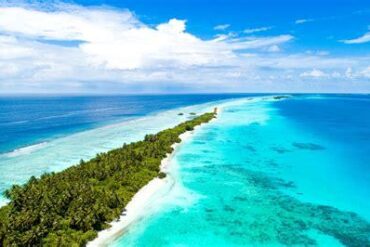
The Bahamas, an enchanting archipelago consisting of over 700 islands and cays, is celebrated for its stunning beaches, crystal-clear turquoise waters, and rich cultural heritage. With a population exceeding 400,000 residents and millions of tourists flocking to its shores each year, the tourism industry forms the backbone of the nation’s economy. However, this Caribbean paradise faces formidable challenges posed by climate change, which threatens its delicate ecosystems and vibrant communities. The low-lying geography of the Bahamas, where nearly one-third of the land is situated less than half a meter above sea level, significantly heightens its vulnerability to rising sea levels and extreme weather events.
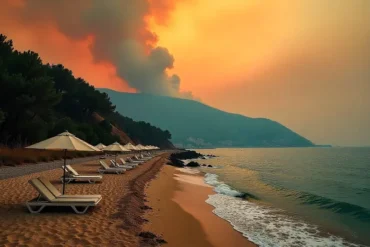
The implications of climate change are starkly evident. The coral reefs and mangroves, vital natural barriers that protect coastal areas from storm surges, are deteriorating due to increasing ocean temperatures and severe hurricanes. The destructive force of Hurricane Dorian in 2019, one of the most powerful storms to hit the region, served as a wake-up call, causing extensive damage, particularly in the northern islands. Thousands of homes were destroyed, families were displaced, and the economic ramifications are still felt today. As a nation renowned for its coastal allure, the Bahamas’ future hangs in the balance amid these escalating threats.
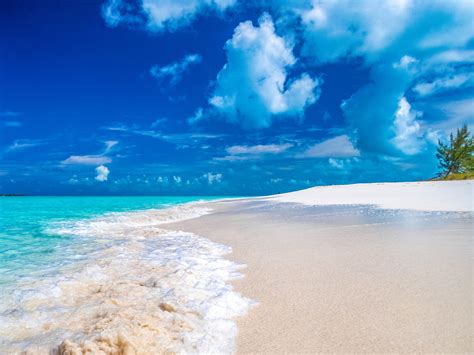
The Impact of Rising Sea Levels on the Bahamas
Globally, sea levels are on the rise, and the Bahamas is no exception. Scientific projections suggest that sea levels could increase by 32 cm over the next 25 years, potentially reaching 82 cm by the end of the century. Such elevations pose severe risks, including:
- Coastal Erosion: The erosion of beaches could lead to significant damage to hotels, resorts, and infrastructure, resulting in decreased tourist arrivals and economic losses.
- Loss of Land: Submersion of low-lying areas would displace thousands of residents, erasing valuable land that supports agriculture and local economies.
- Decreased Freshwater Supplies: Encroaching seawater threatens freshwater resources, diminishing access to clean drinking water.
In response, infrastructure planning is being reevaluated, with new constructions being designed for resilience against flooding. However, the long-term sustainability of coastal communities remains precarious without comprehensive global efforts to combat climate change.
Destruction of Coral Reefs and Mangroves
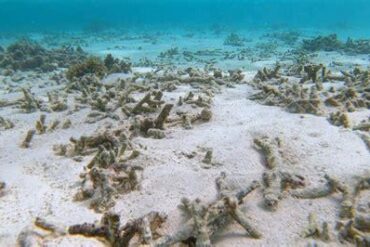
The coral reefs and mangroves of the Bahamas are not only ecologically essential but also serve as crucial protection against storm surges and coastal erosion. These ecosystems, teeming with diverse marine life, face dire threats from ocean warming and hurricane damage. Coral reefs in the Bahamas are among the most biodiverse globally, yet they are exceptionally sensitive to temperature changes. Rising sea temperatures lead to coral bleaching, where corals expel the algae they rely on for nutrients, turning white and dying if conditions do not stabilize.
The aftermath of Hurricane Dorian was devastating; it obliterated over a third of the mangrove forests on Grand Bahama Island, exposing coastal ecosystems to further vulnerability. This destruction has far-reaching consequences, particularly for islanders dependent on marine resources for their livelihoods. The impacts of these environmental shifts include:
- Decline in Fish Populations: The loss of vital habitats disrupts breeding grounds, leading to reduced fish populations that are crucial for both local fishing industries and tourism activities such as snorkeling and diving.
- Increased Vulnerability to Storms: Without healthy coral reefs and mangroves, coastal regions become increasingly susceptible to storm damage, exacerbating the destructive power of hurricanes.
Despite these challenges, restoration efforts are underway, though the scale of the problem necessitates urgent, large-scale interventions.
Innovative Solutions for Protecting the Bahamas
Recognizing the existential threats posed by climate change, the Bahamas is embracing innovative solutions to restore its ecosystems and ensure the sustainability of its beloved tourist destination. One notable initiative is the Coral Vita project, heralded as the world’s first commercial land-based coral farm. This pioneering effort focuses on accelerating coral growth in controlled environments before transplanting them back into the ocean, fostering healthier reef systems. Scientists are also exploring coral strains that exhibit greater resistance to rising temperatures, enhancing the resilience of these critical ecosystems.
Key restoration efforts include:
- Coral Farming: This approach accelerates coral growth to replenish damaged reefs effectively.
- Mangrove Restoration: New mangroves are being planted to replace those lost during hurricanes, reinforcing the islands’ natural defenses.
- Sustainable Tourism: Tourists are encouraged to engage in environmentally conscious activities that support conservation efforts, thereby fostering a sense of stewardship toward the natural environment.
By investing in these groundbreaking restoration projects, the Bahamas aims to safeguard its natural beauty against the pressures of climate change while continuing to attract visitors for generations.
The Future of Tourism in the Bahamas
Despite the looming threats posed by climate change, the tourism sector in the Bahamas exhibits remarkable resilience. Travelers are increasingly cognizant of the challenges faced by the islands, with many eager to support recovery efforts. The burgeoning trend of eco-tourism resonates with visitors seeking sustainable experiences that benefit both the environment and local communities.
To adapt, the tourism industry is developing green initiatives, including eco-friendly resorts, sustainable fishing practices, and conservation-focused excursions. The objective is to strike a harmonious balance between economic development and environmental responsibility, ensuring that the beauty of the Bahamas endures for future generations.
Conclusion
As the Bahamas confronts unprecedented challenges brought on by climate change, hope remains on the horizon. Through investments in sustainable tourism, coral restoration, and coastal protection initiatives, the nation is committed to preserving its breathtaking landscapes and vibrant culture for generations to come. Visitors are invited to partake in these efforts, contributing to the conservation of this iconic Caribbean destination. While the future may be uncertain, the indomitable spirit of the Bahamas continues to shine brightly, reflecting its unwavering commitment to resilience and sustainability.