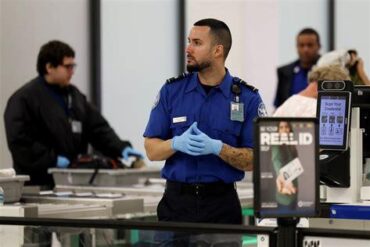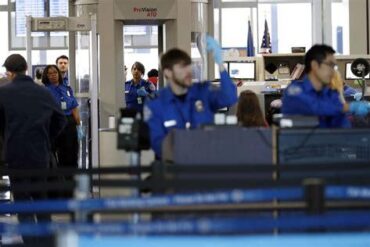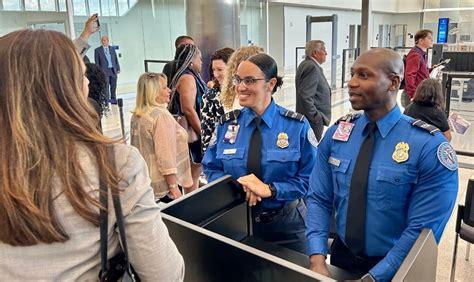
The Transportation Security Administration has triggered a firestorm among its frontline workforce after ordering the removal of all chairs from document-screening positions at airports nationwide on September 25. The policy change, which affects Transportation Security Officers stationed at boarding pass and identification verification checkpoints, has prompted the Association of Federal Government Employees to launch a full-scale campaign demanding the reinstatement of what it calls basic ergonomic equipment. The AFGE, which represents over 820,000 government employees including the entire TSA screening workforce, says its leadership was never consulted before the directive became public, leaving officers to discover mid-shift that their chairs had simply vanished.
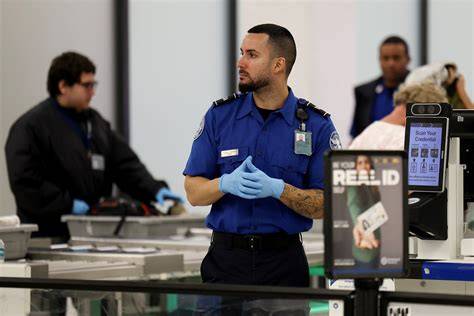
The union’s response has been swift and unusually blunt. AFGE spokesperson Johnny Jones described the chairs as “basic ergonomic and safety support for officers that stand and walk on hard surfaces all day,” framing their removal as an attack on “basic safety and common decency.” Jones told The Guardian that the volume of angry phone calls from members rivaled the chaos of a government shutdown, explaining that employees arrived for their shifts to find normal working conditions upended by mid-day. “People are calling, members are mad, employees are upset because they literally started their day, everything was normal, and by halfway through their shift, they’re taking all the chairs out and replacing them with inadequate mats,” he said. “The amount of phone calls I received is almost the same as if everybody got fired all at once.” The AFGE has instructed its members to contact congressional representatives directly, escalating a workplace grievance into a political pressure campaign.
The Ergonomics of Endless Standing: What the Science Says
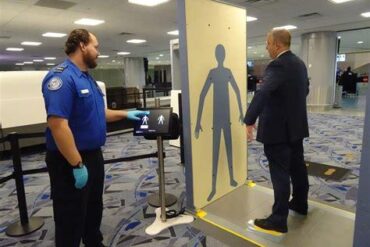
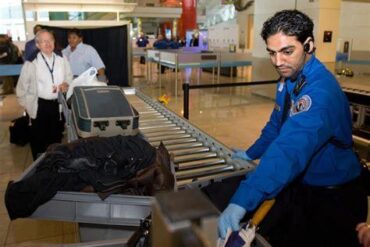
The health implications of prolonged standing are well documented, and they extend far beyond simple discomfort. The National Institutes of Health lists lower back and leg pain, cardiovascular problems, fatigue, general discomfort, and pregnancy-related health outcomes among the risks associated with long-term standing at work. A 2002 study of professional hairdressers—workers who stand between 82 and 99 percent of their shifts—found chronic back, neck, and shoulder pain as a near-universal complaint. For TSA officers, the physical demands hardly end at document screening. Transportation Security Officers stand while conducting hand and wand searches for passengers who fail initial screening. Behavior Detection Officers walk concourses for hours monitoring crowd behavior and identifying potential threats. Baggage screeners stand at X-ray machines and physical search stations, inspecting carry-on bags flagged by imaging systems. Airline customer service agents, operations agents, baggage handlers working rotating belts, and gate crews loading aircraft all share the same concrete floors and back-to-back flight schedules with minimal rest intervals.
A Selective Policy That Leaves Officers Questioning the Logic
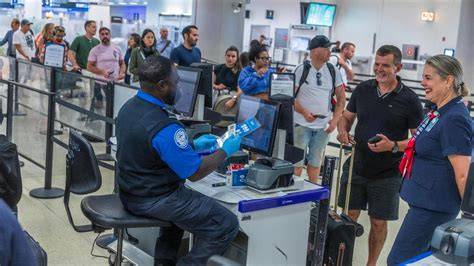
What has infuriated the union as much as the removal itself is the apparent inconsistency of the directive. Identification document screening was one of only two TSA positions where agents were previously permitted to sit. Baggage screeners stationed at X-ray machines remain allowed to sit, a carve-out the AFGE points to as evidence that the agency understands seated work does not compromise security. TSA leadership has publicly argued that standing officers will improve both security and hospitality, suggesting a more alert and welcoming posture at checkpoints. The union counters that no security rationale justifies forcing employees to stand for entire shifts on hard terminal floors, and that the “inadequate mats” replacing chairs offer negligible relief compared to proper seating. The campaign now moves to Congress, where AFGE members are urging lawmakers to intervene. For an agency still recovering from pandemic-era staffing shortages and morale crises, the chair ban has become a vivid symbol of management decisions made without frontline input—and a workforce that has decided it will no longer sit quietly, or stand silently, while its basic needs are ignored.