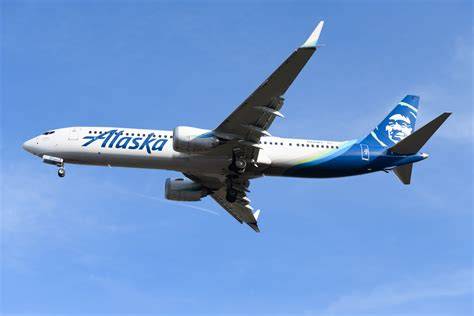
Alaska Airlines is preparing to phase out its Boeing 737-700 passenger fleet by 2027, a move that will clear the way for larger 737-800 aircraft capable of carrying more passengers and significantly more cargo. The transition carries particular weight in remote Arctic and Southeast Alaskan communities, where air travel is not a convenience but a lifeline, connecting isolated populations and transporting essential goods where roads cannot reach. Replacing the 737-700 with the 737-800 will give the airline additional capacity on existing services, including routes serving communities that rely on air transportation year-round.
The decision comes as Alaska continues to adapt and modernize its fleet to meet the operational demands of its network. While the 737-700 has served routes where a smaller aircraft was sufficient, its successor offers more seats and additional lower-deck cargo space. Retiring an aging fleet also gives the airline an opportunity to increase the freight and passenger traffic it can accommodate on flights across Alaska, a state where aviation infrastructure often substitutes for highways.
Alaska Prepares to Replace Its 737-700s
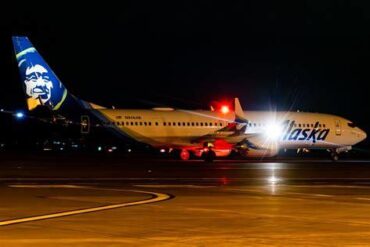
According to the Juneau Empire and Homer News, Alaska will retire its passenger 737-700 fleet in 2027, replacing the smaller aircraft with larger 737-800s to increase passenger and cargo capacity across its network. The change will be especially important in Southeast Alaska, where the carrier operates multi-stop services connecting communities that depend heavily on air transportation. The fleet transition is expected to provide additional room for passengers, luggage, and freight.
The move reflects the practical demands of operating in Alaska, where air services connect communities separated by mountains, waterways, lack of roads, and vast stretches of remote terrain. Unlike major metropolitan markets, some regional routes offer few alternatives for transporting people and essential goods. By deploying larger aircraft on these services, Alaska Airlines aims to accommodate more travelers while providing additional space for freight, including seafood shipments that are important to the state’s economy. For communities along these routes, the difference between a 737-700 and a 737-800 can determine whether a shipment of fresh salmon reaches market on time or whether a resident finds a seat during peak travel periods.
737-800 Offers More Seats and Cargo Space
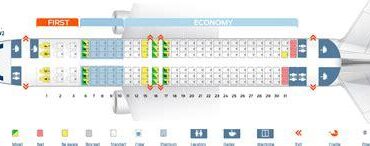
The 737-700 and 737-800 belong to the same aircraft family, the Boeing 737 Next-Generation (NG), but their size differences make the latter better suited to routes that need additional capacity. Alaska’s 737-700s are configured for 124 passengers, while the 737-800s used for the transition accommodate 161 passengers. That is 37 additional seats per flight, plus about 50% more space in the aircraft’s lower-deck cargo hold, according to local news outlets.
The larger aircraft is approximately 20 feet longer than the 737-700. This additional capacity could make a meaningful difference for services carrying local residents, visitors, baggage, and commercial shipments. For seafood producers and other businesses in Alaska, additional cargo space can help move products to market while making better use of existing flight schedules.
| Specification | Boeing 737-700 | Boeing 737-800 |
|---|---|---|
| Length | 110 feet, 4 inches (33.6 meters) | 129 feet, 6 inches (39.5 meters) |
| Length Difference | — | 19 feet, 2 inches (5.84 meters) longer |
| Wingspan | 117 feet, 5 inches (35.8 meters) | 117 feet, 5 inches (35.8 meters) |
| Height | 41 feet, 2 inches (12.5 meters) | 41 feet, 2 inches (12.5 meters) |
| Maximum Passenger Capacity | 149 | 189 |
| Alaska Airlines Seating Capacity | 124 | 161 |
| Maximum Takeoff Weight | 154,500 lb (70,080 kg) | 174,200 lb (79,010 kg) |
The switch also shows why aircraft selection depends on more than passenger numbers. A larger aircraft can carry more freight without requiring the airline to add another departure, although actual cargo loads depend on passenger baggage, aircraft weight limits, route conditions, and operational requirements. The additional space should provide greater flexibility. Planespotters.net also notes that Alaska’s 737-700 fleet averages 26.3 years old, while the -800 variant is slightly newer, with an average age of 18.5 years. The newer planes will also have faster onboard internet connections.
Why Alaska’s Famous Milk Run Matters
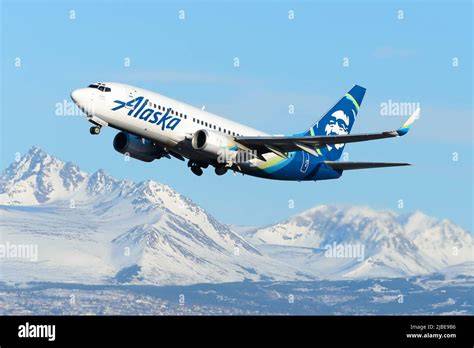
One of the services expected to benefit from the transition is Alaska Airlines’ famous milk run, a multi-stop route connecting Seattle-Tacoma International Airport (SEA) with communities in Southeast Alaska, including Ketchikan, Wrangell, Petersburg, and Juneau, before continuing to Anchorage, as it was described in a Simple Flying trip report in 2024. The service plays an important role in connecting smaller communities with larger transportation and economic centers. For residents and businesses along the route, additional passenger seats and cargo capacity could make an established service more useful without fundamentally changing its role.
Alaska’s geography makes aviation particularly important. Many communities have limited road connections or no direct road access to the wider state highway network, making aircraft essential for travel, supplies, and commercial transportation. Seasonal local industries also drive demand for reliable freight capacity, especially when perishable products must reach customers beyond the state while still fresh. The milk run’s multi-stop pattern means each leg carries a mix of local passengers, through travelers, and cargo, and the 737-800’s extra capacity gives Alaska more room to balance those competing demands without sacrificing frequency.
What the 737-700 Retirement Means for Alaska’s Communities
The 737-700’s departure from passenger operations will mark a change for a fleet that has served Alaska on routes where a smaller jet made sense. The 737-800 offers a straightforward way to increase capacity while retaining the familiar Boeing narrowbody platform. For Southeast Alaska, the most important outcome may be the extra room available for both travelers and the goods that keep remote communities connected to the wider economy. The transition also positions Alaska Airlines to handle future demand growth without adding new routes or departures, a critical advantage in a region where airport infrastructure and airspace are already constrained.
For an airline whose identity is tied to the state it serves, the retirement of the 737-700 is less about nostalgia and more about matching aircraft to mission. The 737-800 keeps the same cockpit, same crew requirements, and same maintenance ecosystem, but delivers more of what Alaska’s routes need most: seats, cargo space, and operational flexibility. As the 2027 deadline approaches, the airline’s ability to execute this transition smoothly will shape how well it serves the communities that depend on it.