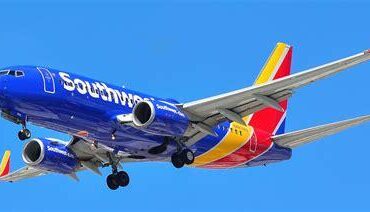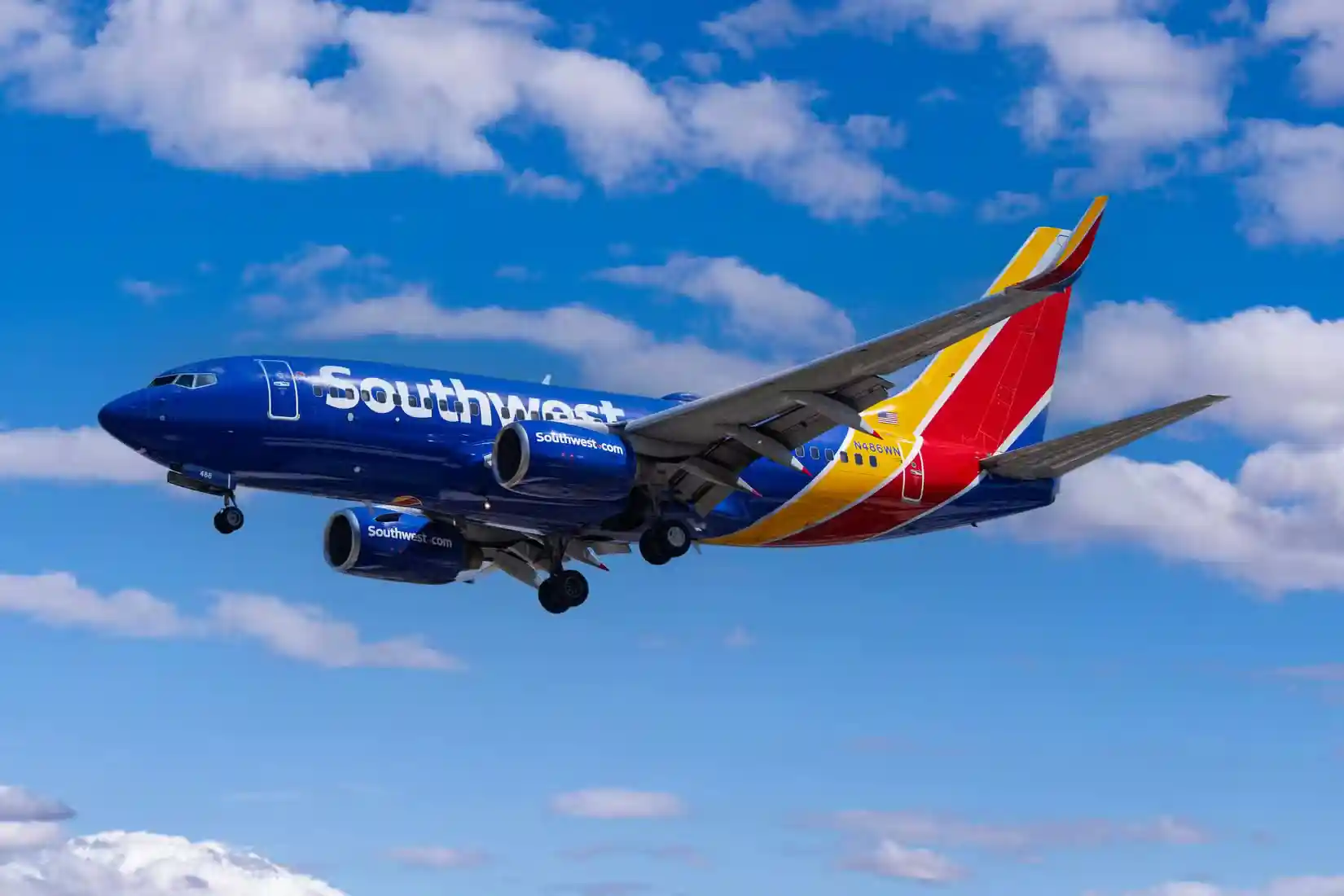
For decades, the Boeing 737-700 has been far more than another aircraft in Southwest Airlines’ fleet. It became the physical expression of the airline’s operating philosophy: keep the fleet simple, fly frequently, control costs, and use an aircraft small enough to serve a huge network without carrying unnecessary capacity. Yet one of the most important aircraft in Southwest’s history is now approaching its final chapter. The airline plans to retire its remaining 737-700s by 2031, replacing them primarily with newer 737 MAX aircraft.
The retirement is significant because Southwest did not merely operate the 737-700 in large numbers; it helped establish the aircraft as one of the defining narrowbodies of the modern US airline industry. Southwest was the launch customer for the Boeing 737-700 and the entire 737 Next Generation family in 1997, taking a design originally intended to replace the 737-300 and turning it into the backbone of one of the world’s largest airlines.
When the first 737-700 joined Southwest, the airline had already spent more than two decades building its identity around the 737. Its fleet at the time consisted of the 737-200, 737-300 and 737-500, with approximately 260 aircraft. The arrival of the 737-700 marked the beginning of a transformation that would eventually produce a fleet measured in hundreds of aircraft of essentially the same basic type.
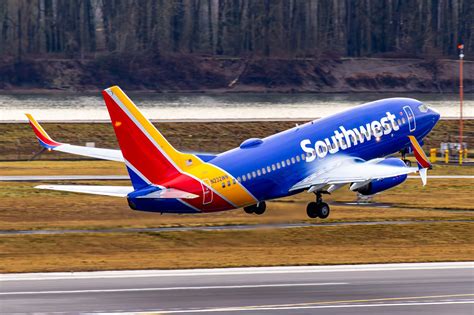
The Boeing 737-700 Became Southwest’s Defining Aircraft
Southwest’s relationship with the 737 began with its first flight in 1971, and apart from a relatively brief period involving leased Boeing 727s, the airline has remained remarkably consistent. The Boeing 737 has effectively been the foundation of Southwest Airlines for its entire history, allowing the carrier to build enormous operational experience around one aircraft family.
The 737-700 was particularly well suited to Southwest because it provided a modest increase in capacity over the 737-300 without forcing the airline into a significantly larger aircraft category. Southwest configured its 737-300s with 137 seats, while the 737-700 originally carried 143 passengers. That seemingly small difference was important. It provided additional capacity while preserving the basic characteristics that made the smaller 737s attractive to the airline.
Southwest initially placed 126 firm orders for the 737-700, accompanied by 62 options. Over time, its commitment became much larger. The airline ultimately ordered 361 examples directly from Boeing, while also leasing aircraft and acquiring additional 737-700s through the used-aircraft market and its acquisition of AirTran Airways.
Between 1997 and 2018, Southwest took delivery of 514 Boeing 737-700s. One was later written off following an accident in 2013, meaning the airline’s peak operational fleet reached 513 aircraft. Few aircraft types have played such a dominant role at a single major airline.
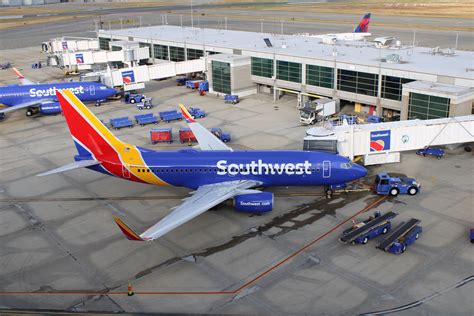
Why Southwest Preferred the Smaller 737
The 737-700’s success cannot be separated from Southwest’s unusual approach to fleet management. Rather than operating a complicated collection of aircraft from different manufacturers, Southwest built its network around 737 commonality. That strategy reduces the number of spare parts required, simplifies maintenance, limits pilot training requirements, and allows crews and aircraft to move more easily throughout the network.
Southwest extended that philosophy to aircraft variants. The airline did not order every 737 model available from Boeing. Most notably, it did not order the 737-400, despite that aircraft being a natural part of the 737 Classic family. The decision reflected both operational considerations and Southwest’s preference for keeping its aircraft relatively interchangeable.
Airport performance was also important. Southwest has historically maintained a particularly large presence at Chicago Midway International Airport, where runway and operating conditions made aircraft performance a meaningful consideration. Larger 737 variants were not always ideal for the airline’s operating model.
The smaller 737s also supported Southwest’s high-frequency strategy. Instead of putting the largest possible aircraft onto every route, the carrier could operate multiple daily frequencies using aircraft with fewer seats. This allowed Southwest to offer passengers more departure choices while reducing the risk of putting excessive capacity into individual flights.
That strategy worked particularly well during the airline’s rapid expansion. The 737-700 was large enough to support major domestic routes but compact enough to remain useful across a broad range of markets.
The 737-800 Changed Southwest’s Capacity Strategy
Southwest’s preference for smaller aircraft eventually encountered the realities of a growing airline. By the 2010s, the carrier was becoming increasingly constrained at several major operating bases, and its enormous network required greater capacity.
The solution was the Boeing 737-800, which Southwest finally began ordering in 2010. With approximately 175 seats in Southwest’s configuration, the 737-800 represented a substantial capacity increase over the 737-700.
Southwest eventually accumulated 207 Boeing 737-800s, a considerable fleet but still less than half the number of 737-700s operated at the latter’s peak. The difference illustrates just how deeply the 737-700 was embedded in Southwest’s business model.
As the 737-800 fleet expanded, Southwest gradually moved toward a larger-aircraft strategy while still maintaining the frequency and commonality principles that had defined its earlier operations. Today, the 737-800 remains important, but it is being overtaken by the much newer 737 MAX 8.
Southwest’s 737 MAX Fleet Will Replace the 737-700
The next stage of Southwest’s fleet transformation is centered on the Boeing 737 MAX. The airline has ordered a total of 769 737 MAX aircraft, divided between 500 MAX 8s and 269 MAX 7s.
The MAX 8 is already the most common aircraft in Southwest’s fleet, with more than 300 examples in service according to the supplied fleet data. Its combination of greater capacity, improved fuel efficiency and modern technology makes it a natural successor to the older 737-700 and 737-800.
Southwest intends to retire both aircraft types by 2031, ultimately moving toward an all-MAX fleet. That means the airline is not simply replacing old aircraft one-for-one. It is moving from generations of the 737 family that were designed decades ago toward a fleet built around more efficient aircraft with substantially newer systems and engines.
The transition should also preserve one of Southwest’s most valuable advantages: commonality. Pilots, maintenance teams and operational planners will continue working within the Boeing 737 family rather than having to adapt to an entirely different aircraft type.
The 737 MAX 7 Is the True Successor to the 737-700
While the MAX 8 will make up the majority of Southwest’s future fleet, the Boeing 737 MAX 7 has an especially important role because it is the closest successor to the 737-700.
Southwest is currently the only commercial airline with firm orders for the MAX 7, having committed to 269 aircraft. Other airlines that once held MAX 7 orders have converted those commitments to larger variants, leaving Southwest in a unique position.
The airline’s influence over the MAX 7’s development is also notable. Compared with the 737-700, the MAX 7 is longer and heavier, while retaining the smaller capacity concept that Southwest has historically valued. The aircraft is intended to provide better right-sizing for routes where the MAX 8 would offer more capacity than necessary.
Southwest expects to introduce the 737 MAX 7 during the first quarter of 2027. That timing is particularly important because it creates a bridge between the retirement of the 737-700 and the arrival of its direct modern replacement.
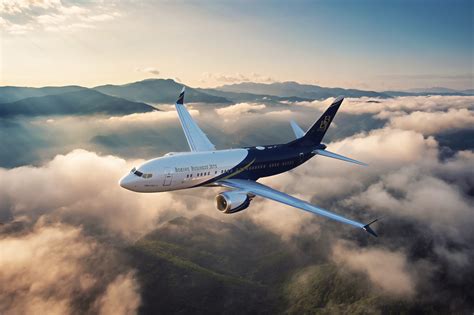
Southwest Is Still Investing in Its Aging 737-700s
The approaching retirement date does not mean Southwest is abandoning the 737-700. In fact, the airline is still investing in the aircraft because hundreds remain relevant to daily operations.
The 737-700 fleet has already been reduced substantially, with approximately 277 aircraft still in service. These are now the oldest aircraft in Southwest’s fleet, but their remaining years are important enough for the airline to continue upgrading their cabins.
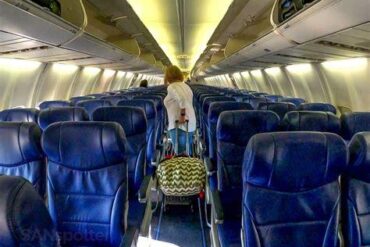
One major change has been the installation of extra-legroom seating. The modification reduces the aircraft’s capacity from 143 seats to 137 seats, but gives passengers additional space and brings the cabin closer to Southwest’s evolving onboard standards.
The airline is also planning to retrofit 172 Boeing 737-700s with Collins Aerospace Meridian seats, which provide both USB-A and USB-C charging ports. That addresses one of the limitations of the aircraft’s aging B/E Aerospace Innovator II seats, which were not designed to support modern in-seat power.
The upgrades demonstrate an interesting balance. Southwest knows these aircraft will disappear within several years, but it still needs to maintain them to an acceptable passenger standard while they remain active across the network.
A Difficult Question: How Much Should Southwest Upgrade an Aircraft Leaving in 2031?
Southwest’s wider cabin modernization program includes features such as Boeing Sky Interior, Boeing Space Bins and mood lighting. These upgrades can improve the passenger experience, but installing them on aircraft approaching retirement creates a financial dilemma.
The issue is particularly relevant for the 737-700. Installing major interior equipment can require significant labor and engineering work, including Supplemental Type Certification requirements. Such investment is easier to justify when an aircraft is expected to remain in service for another decade or more.
For the 737-700, the remaining service life is considerably shorter. Southwest therefore has to decide how much modernization makes economic sense before each aircraft is eventually withdrawn.
The answer will likely vary across individual aircraft. The carrier can justify selected upgrades because the 737-700 fleet remains large, but it has little reason to transform every older aircraft into a cabin that resembles a brand-new MAX.
Why the 2031 Retirement Matters for Southwest Airlines
The disappearance of the 737-700 will represent the end of one of the most important chapters in Southwest Airlines history. The aircraft helped the carrier move from a large regional operator into a major US airline with a nationwide domestic network.
At its peak, more than 500 737-700s were part of Southwest’s operation. That scale is difficult to overstate. The aircraft was not simply common at the airline; it was the platform through which Southwest expanded its frequency-based business model across hundreds of markets.
Yet retirement also represents the success of that strategy. The 737-700 is being replaced not because Southwest has abandoned the principles that made it successful, but because newer aircraft can execute those principles more efficiently.
The 737 MAX 8 will provide the capacity and economics required by Southwest’s largest markets, while the 737 MAX 7 will eventually provide a smaller aircraft option for markets where right-sizing remains important. Together, they allow Southwest to preserve its historic single-family philosophy while moving decisively into a new generation.
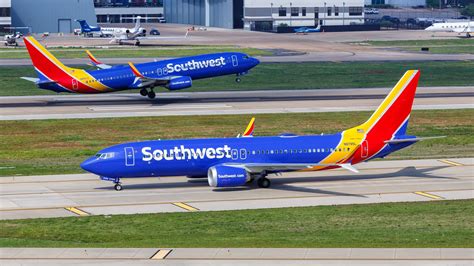
The End of an Era for Southwest’s 737-700
By 2031, Southwest expects its 737-700s to be gone, along with its 737-800s, leaving the 737 MAX family as the foundation of the fleet. The transition will close the book on an aircraft that shaped Southwest more profoundly than its relatively modest size might suggest.
The 737-700 gave Southwest the right combination of capacity, performance and simplicity at a critical point in the airline’s expansion. It helped the carrier preserve frequent schedules, operate efficiently from constrained airports and maintain a highly standardized fleet while growing to unprecedented scale.
Its replacement is therefore more than a routine fleet renewal. The MAX 7 and MAX 8 represent the next evolution of the same philosophy. Southwest is becoming a larger and more technologically advanced airline, but its fundamental preference for Boeing 737 commonality, operational flexibility and disciplined capacity remains visible.
The final Southwest 737-700 retirement in 2031 will consequently be both an ending and a confirmation of the airline’s strategy. The aircraft that helped build modern Southwest will disappear from the fleet, but the operating model it helped create will continue flying on a new generation of Boeing 737s.