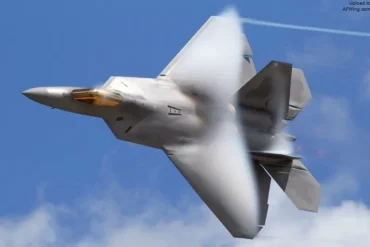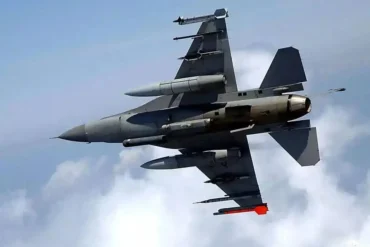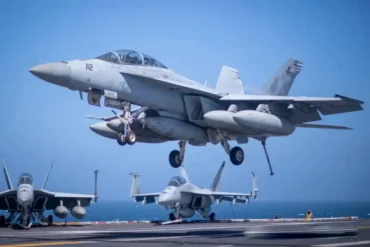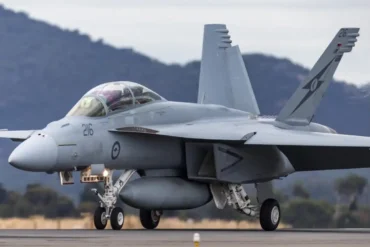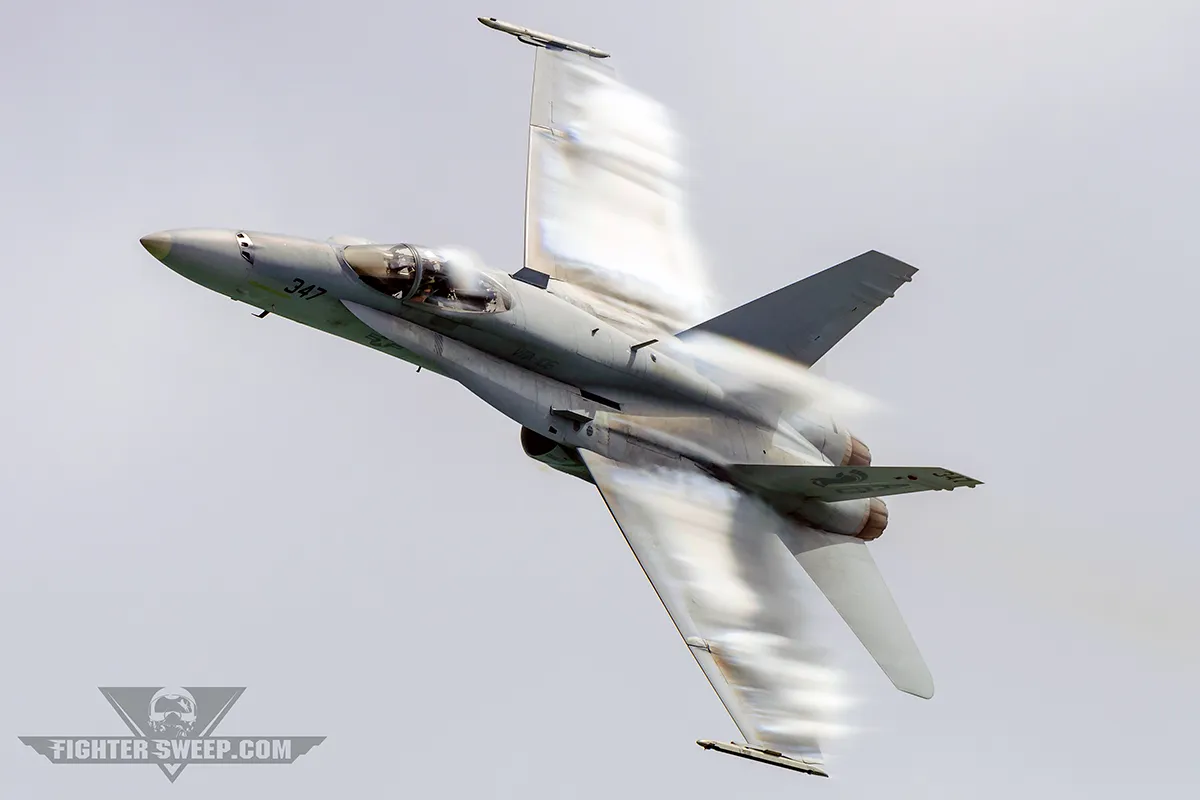
The F/A-18 Hornet is one of the most versatile multirole fighter aircraft in the world, widely used by the United States Navy, Marine Corps, and allied air forces. A key performance metric for any fighter jet is its turn rate, which determines its maneuverability in dogfights and tactical engagements. The F/A-18 Hornet exhibits a sustained turn rate ranging from 18.5 to 21 degrees per second, depending on altitude, speed, fuel load, and weapons configuration. This article provides an in-depth examination of the F-18 Hornet’s turn rate, supported by simulation data, real-world documentation, and expert analysis.
Understanding Turn Rate
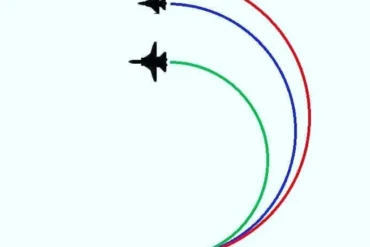
The turn rate of a fighter jet is measured in degrees per second, representing the rate at which the aircraft can change direction. There are two key types:
- Instantaneous Turn Rate (ITR): The maximum rate an aircraft can achieve momentarily.
- Sustained Turn Rate (STR): The rate at which an aircraft can continuously maintain a turn without losing speed.
For the F/A-18C Hornet, real-world estimates place the sustained turn rate at 20–21 degrees per second, while simulations suggest a slightly lower 18.5 degrees per second under controlled conditions.
Factors Influencing the F-18’s Turn Rate
1. Aircraft Configuration
The weight and drag of external stores, including fuel tanks, missiles, and bombs, significantly impact the turn rate. A “slick” configuration (minimal external load) enables the highest performance.
- No external stores: Up to 21 degrees per second.
- Combat load (missiles, drop tanks): Slightly lower, around 19–20 degrees per second.
2. Fuel Load
Fuel weight alters the center of gravity and increases overall mass, affecting turn performance.
- 60% internal fuel: Optimal sustained turn rate.
- Full fuel load: Reduced agility due to extra weight.
3. Altitude and Airspeed
- Lower altitude provides higher air density, allowing for better aerodynamic performance.
- Corner speed (typically 360–380 knots) is the ideal airspeed for maximum sustained turn rate.
- Higher altitudes reduce turn performance due to thinner air and lower engine thrust output.
Simulation vs. Real-World Data
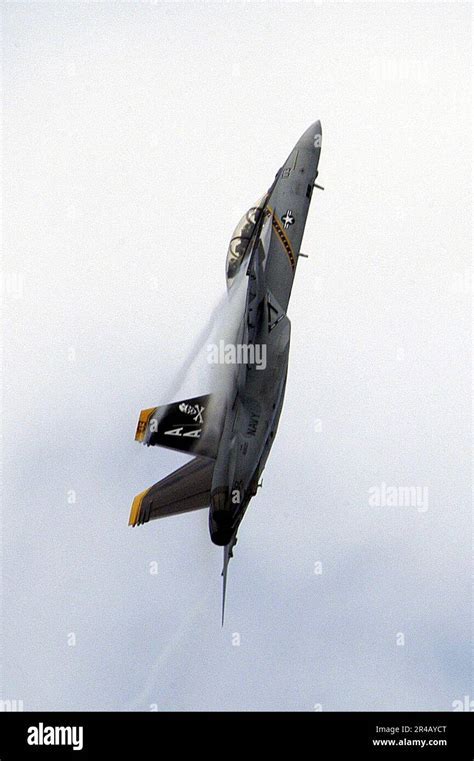
DCS World Forum Simulation Data
A DCS World forum test of an F/A-18C Hornet (slick, 60% internal fuel, near sea level, full afterburner) reported:
- Sustained turn rate: 18.5 degrees per second.
- Momentary turn rate: 23–24 degrees per second at lower speeds (not sustainable).
- Turn radius: ~2,150 feet at 370 knots.
Real-World Estimates
Official reports and expert discussions suggest:
- Sustained turn rate: 20–21 degrees per second.
- Optimal conditions: 360–400 knots, paddle switch override potentially increasing performance.
The discrepancy between simulation and real-world data likely arises due to differences in testing methodology and real-world aerodynamic factors not fully replicated in digital environments.
Comparison with Other Aircraft
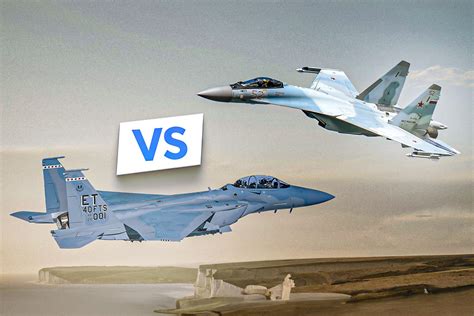
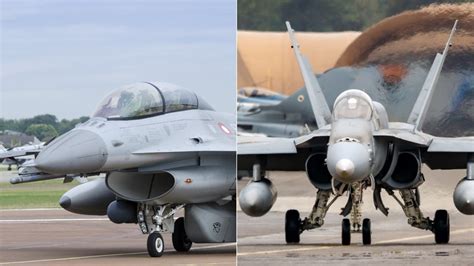
The F/A-18C Hornet competes closely with other fourth-generation fighters:
| Aircraft | Sustained Turn Rate (degrees/sec) | Notes |
|---|---|---|
| F-18 Hornet | 18.5–21 | Competitive maneuverability |
| F-16 Viper | 20–22 | Slight advantage in STR |
| F-14 Tomcat | ~16 | Larger airframe limits agility |
| F-15 Eagle | 17–19 | Better thrust-to-weight ratio |
Performance Considerations for the F/A-18E/F Super Hornet
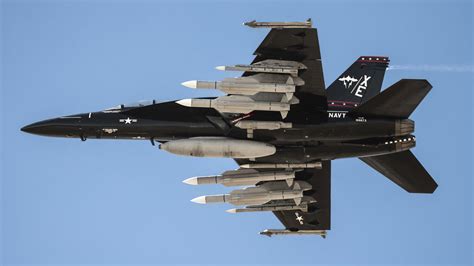
The F/A-18E/F Super Hornet, an advanced variant, shares similar subsonic maneuverability but features:
- Higher lift at high angles of attack.
- Improved roll rate at high AOA.
- Carefree handling features preventing pilot-induced errors.
Operational Implications
The F/A-18 Hornet’s turn rate plays a critical role in combat effectiveness, particularly in close-range engagements. Tactical factors influencing its use in combat include:
- Dogfighting advantage: Ability to outmaneuver less agile aircraft.
- Energy management: Sustained G-forces require careful throttle and afterburner control.
- Weapons employment: Turn rate impacts missile engagement zones (WEZ) for AIM-9 Sidewinder and AIM-120 AMRAAM.
Conclusion
The F/A-18 Hornet’s turn rate, ranging from 18.5 to 21 degrees per second, establishes it as a highly maneuverable multirole fighter. While simulation data suggests a slightly lower figure, real-world documentation supports a higher sustained turn rate under optimal conditions. This performance makes the F-18 an effective air combat platform, capable of competing with other fourth-generation fighter jets.
FAQ
1. What is the maximum sustained turn rate of the F/A-18 Hornet?
The F/A-18C Hornet has a sustained turn rate between 18.5 and 21 degrees per second, with optimal performance near sea level, 60% fuel, and full afterburner.
2. How does the F-18 compare to the F-16 in turn performance?
The F-16 Viper generally has a 1.5–2 degrees per second advantage in sustained turn rate due to its higher thrust-to-weight ratio and aerodynamics. However, the F-18 compensates with superior high-AOA maneuverability.
3. What factors affect the F/A-18’s turn rate the most?
The key factors influencing the F/A-18’s turn rate are aircraft configuration (slick vs. combat load), fuel load, altitude, airspeed, and afterburner usage. A lighter, cleaner jet at lower altitudes performs best.