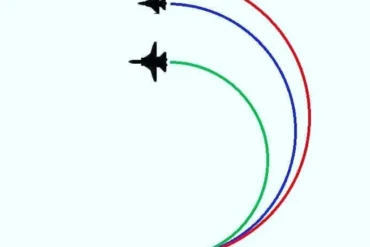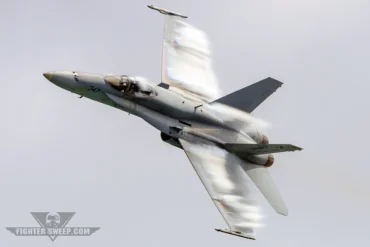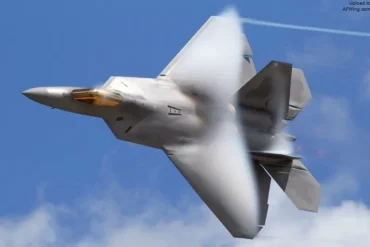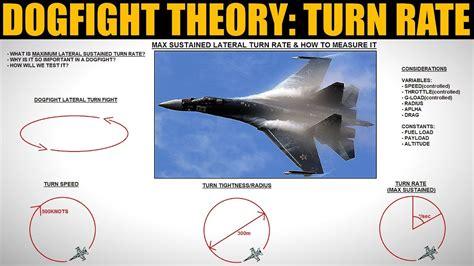
The rate of turn refers to how quickly an aircraft can change its heading while flying. It’s measured in degrees per second. In aviation, a standard rate turn is defined as a turn of 3 degrees per second. This means that an aircraft can complete a full 360-degree turn in two minutes or reverse its course in one minute.
There are different rates of turn: a half-rate turn is at 1.5 degrees per second, and a rate two turn is faster at 6 degrees per second. The bank angle, or tilt of the aircraft during a turn, is important and depends on the True Airspeed (TAS). To find the necessary bank angle for a coordinated rate one turn (3 degrees per second), you can use a simple formula: divide the TAS in knots by 10 and then add 7.
For example, if an aircraft is flying at 80 knots, it needs a bank angle of 15 degrees for a standard rate turn. If the speed increases to 160 knots, the required bank angle goes up to 23 degrees, and at 240 knots, it rises to 31 degrees. High bank angles can be problematic, especially in poor weather conditions, known as Instrument Meteorological Conditions (IMC).
To ensure safety, the International Civil Aviation Organisation (ICAO) recommends that all turns in calm wind conditions should be at a bank angle of 25 degrees or at a rate one turn, whichever requires less bank. This guideline helps maintain protected airspace based on the radius of turn for the maximum allowable holding speed at a 25-degree bank.