The international aviation industry is undergoing a major transformation in 2025, with some of the world’s most prominent airlines — Air New Zealand, Qantas, American Airlines, Singapore Airlines, Swiss International Air Lines, and Air India — dramatically expanding their long-haul networks and elevating premium travel standards. This collective push responds to surging demand for superior passenger experiences and seamless intercontinental connectivity. Airlines are no longer just transporting travelers from A to B; they’re crafting high-touch, luxury-driven journeys designed for the modern global nomad.
Air New Zealand: Supercharging Pacific Travel with More Premium Seats and Dreamliner Retrofits
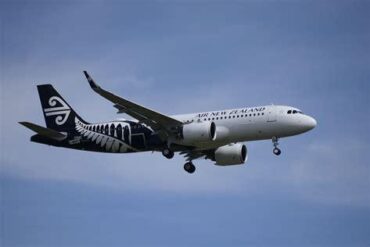
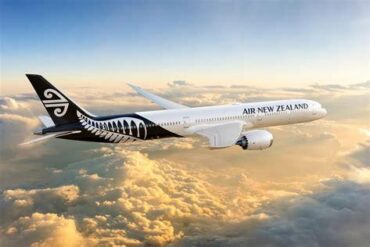
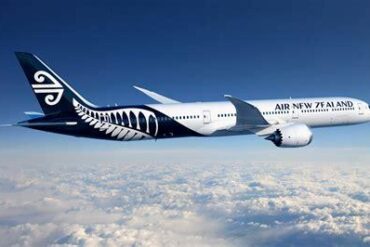
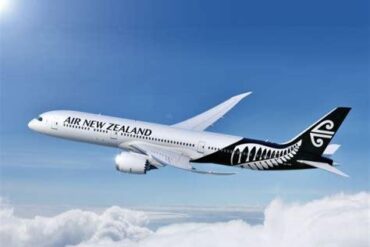
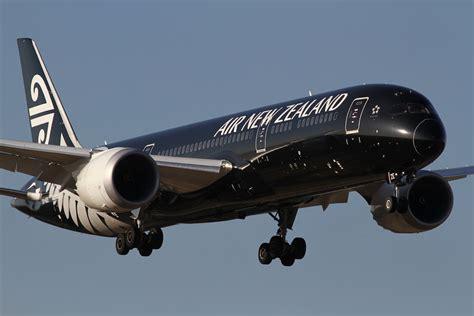
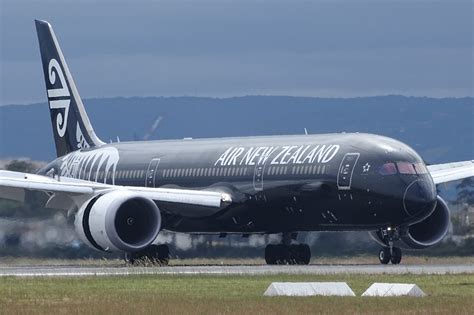
Air New Zealand is spearheading its long-haul transformation with a bold increase in both flight frequencies and premium seat offerings. The airline will introduce over 34,000 additional seats to North America routes alone, underpinned by a fleet expansion that includes up to seven newly retrofitted Boeing 787 Dreamliners by year’s end. These aircraft feature refreshed interiors designed with comfort, privacy, and technology integration at the forefront.
One standout upgrade is on the Auckland to Los Angeles route, which will ramp up to 11–12 weekly flights between December and March, injecting nearly 24,000 more seats compared to the same period in 2024. Meanwhile, in a clear nod to the Asian leisure market, premium seating on Auckland–Bali flights is increasing by 49%, delivering a major boost in high-revenue cabin inventory. These changes aren’t just about quantity — they represent a qualitative leap in onboard luxury.
Qantas: Reintroducing the A380 and Discounting Premium Seats to Key Global Gateways
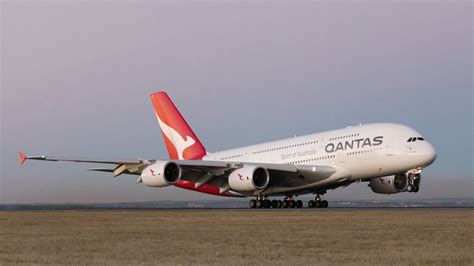
Qantas is betting big on scale and scope, planning to add nearly 250,000 seats to its long-haul network over the next 12 months. At the core of this strategy is the return of the Airbus A380, the superjumbo aircraft long celebrated for its capacious cabins and flagship service experience. Most notably, Qantas will redeploy the A380 on the Sydney to Dallas route beginning in August 2025, giving travelers a comfortable and high-capacity connection between Australia and the heart of the United States.
In tandem with this expansion, Qantas has launched a promotional blitz offering more than 80,000 discounted premium seats across First, Business, and Premium Economy cabins. Destinations include the UK, US, and South Africa, and the promotion runs until June 18, 2025. This aggressive pricing strategy is meant to stimulate bookings while reinforcing the airline’s commitment to making luxury travel more accessible.
American Airlines: Launching Direct Service to Auckland and Debuting Flagship Suites
American Airlines is making a decisive leap into the transpacific premium market with the launch of a new nonstop service between Dallas/Fort Worth and Auckland beginning January 2026. Operated by Boeing 787-9 Dreamliners, these flights are tailored for luxury, featuring the airline’s new Flagship Suites — state-of-the-art lie-flat seats with direct aisle access, increased privacy, and enhanced personal space.
This move signifies a strategic effort to capture high-yield transpacific travelers and strengthen the airline’s footprint in Oceania. The aircraft configuration prioritizes premium seating, reflecting broader trends in passenger preference where the balance of capacity is shifting toward business-class and premium-economy demand. American’s growing international ambitions are clearly aligning with the global rise of ultra-premium long-haul travel.
Singapore Airlines: Innovating Comfort with “Swiss Senses” Cabin Redesign
Singapore Airlines, a consistent leader in premium aviation, is introducing the “Swiss Senses” cabin concept across its long-haul fleet in 2025. The new cabin architecture features advanced ergonomic seats, mood lighting, and multi-touch connectivity. Economy seats will offer increased pitch and width, USB charging, and Bluetooth audio support, ensuring a consistently upscale experience across all classes.
This holistic redesign aims to maintain Singapore Airlines’ position at the pinnacle of Asian aviation while adapting to changing expectations for technology, personal space, and sensory ambiance on ultra-long-haul flights. With routes spanning Asia, Europe, and beyond, the updated cabins form a crucial part of the airline’s evolution into a next-generation premium carrier.
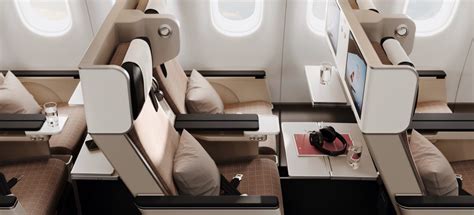
Swiss International Air Lines: Matching Elegance with Engineering in Swiss Senses Rollout
Echoing its alliance partner, Swiss International Air Lines is implementing its own version of the Swiss Senses cabin experience, with a focus on premium and ultra-premium seating configurations. The emphasis lies in delivering an aesthetic and tactile upgrade to first-class and business-class offerings, all while incorporating Swiss design minimalism and technological elegance.
Swiss’s overhaul responds to the shifting demographics of long-haul travelers, many of whom now place as much value on the journey as the destination. The new configurations are especially appealing to the European market, where discerning travelers prioritize consistency, privacy, and tailored service over generic comfort. This cabin refresh promises to reassert Swiss as a benchmark in long-haul European luxury.
Air India: Bold Reentry into Premium Long-Haul with Airbus A350 Suite Cabins
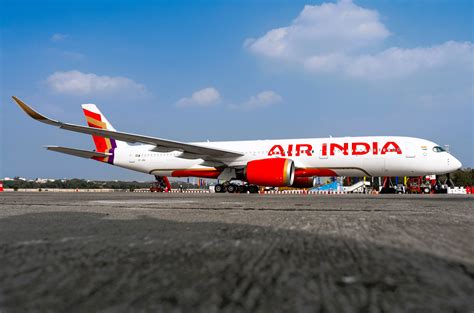
Air India is writing a new chapter in its international strategy with the introduction of the Airbus A350 beginning November 2025. These widebody jets will be configured with suite-style Business Class cabins, representing a major leap forward from the airline’s older-generation products. The focus is on privacy-first layouts, elevated dining, and tech-forward inflight systems, offering a premium experience tailored for both business travelers and high-end leisure flyers.
As part of its broader transformation, Air India is seeking to reclaim its historical stature as a major global carrier. The A350s will initially operate on key transcontinental routes, giving the airline a powerful tool to compete head-to-head with top-tier international rivals across Europe, North America, and East Asia.
Strengthening Alliances and Enhancing Global Connectivity
Beyond individual investments, airline collaboration is playing a pivotal role in reshaping long-haul connectivity. The strategic alliance between Air New Zealand and Singapore Airlines, for instance, has significantly enhanced travel between New Zealand and Southeast Asia, with increased frequency, better inventory allocation, and broader access to competitive fares. This cooperation enables seamless transit between Australasia and Europe via Singapore, minimizing layover friction and elevating the total journey experience.
As more airlines deepen their code-sharing and joint venture arrangements, passengers stand to benefit from harmonized scheduling, integrated loyalty rewards, and shared premium lounges, creating an ecosystem that values both efficiency and indulgence.
2025 and Beyond: Long-Haul Travel Reimagined
What emerges from these developments is a portrait of an aviation industry in full metamorphosis. The emphasis on premium seating, frequency optimization, and customer experience innovation reflects a commitment to quality over volume. Each airline’s approach — whether through aircraft upgrades, product overhauls, or international partnerships — is rooted in a clear understanding of evolving traveler expectations.
Air New Zealand’s fleet renewal, Qantas’s capacity surge, American Airlines’ direct route launches, Singapore Airlines and Swiss’s sensory redesigns, and Air India’s premium comeback all underscore a shift toward destination-as-luxury rather than merely transportation.
As 2025 unfolds, passengers flying long-haul routes can expect more choices, superior experiences, and unprecedented access to global cities in comfort and style. The aviation giants at the forefront of this revolution are not just following trends — they are actively shaping the future of international air travel.