Marigolds are blooming and candles are flickering on ornately decorated altars in Oaxaca and Mexico City, where a centuries-old Mexican custom is garnering increased interest around the world. Day of the Dead, or Día de los Muertos, at one time mainly observed in Mexican homes and cemeteries, has crossed borders. Whether raucous street processions in Barcelona or gallery exhibitions in Tokyo, the centuries-old celebration is infusing a new wave of cultural tourism. In 2025, the Day of the Dead isn’t just Mexican — it is celebrated all over the world. And at the forefront of cultural veracity, spiritual iconography, and tourism thrust comes Mexico.
Rooted in Respect: Mexico’s Everlasting Legacy
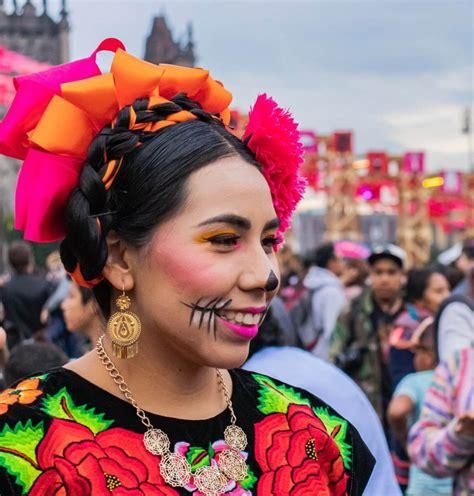
The roots of Día de los Muertos are still firmly stuck in Mexican soil. Happening every year on November 1 and 2, it’s not a morbid holiday, but a happy remembrance. Families create altars — ofrendas — to invite the souls of loved ones, adorned with photographs, favorite foods, candles, and the inescapable scent of marigolds. In a city like Oaxaca, long recognized for its vivid Indigenous heritage, the festival becomes a full-body, five-sense dunk. The streets are a riot of costumed parades, skull face painting, and candlelit vigils. Mexico City as well, roars to life with an impressive parade down Paseo de la Reforma as calavera floats and Aztec dancers entertain millions. By government measures, these events now attract over 2 million visitors per year and pump hundreds of millions of pesos into the national economy, as well as employment in seasonal arts, hospitality, and transport sectors.
A Tourism Juggernaut: How Día de los Muertos Is Fueling Mexico’s Economy
The Secretariat of Tourism in Mexico estimates that in 2024, the Day of the Dead festivities alone produced more than 18 billion pesos in economic impact in terms of hotels, restaurants, tours, sales of crafts, and transportation. In places like San Andrés Mixquic, a small town on the outskirts of Mexico City where the festival is marked by solemn cemetery vigils lit by candles, hotels are often booked up months in advance, as are guided tours. The National Institute of Anthropology and History, meanwhile, has allocated more money for infrastructure upgrades around major cultural heritage sites. Local governments are also encouraging artisans with grants and tourism training programs. This integrated approach to ensuring tourism continues to develop, but also provides incentives for the cultural guardians who maintain the tradition. What was once Mexico’s intimate family tradition is suddenly more relevant than anyone might ever have imagined, transmitting globally.
Cultural Institutions Embrace Día de los Muertos Worldwide
Cultural institutions, diasporas, and tourism boards from Tokyo to Barcelona to Los Angeles to Toronto have embraced the Day of the Dead as an intercultural celebration of heritage and memory. For three years now, in Barcelona, the city´s Museum of World Cultures has held an annual Día de los Muertos exhibition. Working with Mexican artists and scholars, the program offers altar displays, mask-making workshops, and dance performances. These cultural wonders draw not just locals, but foreigners as well who seek to know more about the Indigenous roots of Mexico. The Japanese capital, where Shinto rituals similarly venerate ancestors, has run with Día de los Muertos in its own colorful fashion. Even shopping centers showcase altar exhibits, while schools conduct educational activities to help students better understand the holiday’s significance and history.
Festivals Flourish in Major U.S. Cities
Meanwhile, in the United States, cities including Los Angeles, Chicago, and San Antonio boast some of the biggest Day of the Dead parties outside of Mexico. The festivals include film screenings, live musical performances, and costumed figures, as well as communal altar building, and they draw millions of participants each year, adding millions of dollars to the city’s tourist economy. In Los Angeles alone, more than 40,000 people attended the Hollywood Forever Cemetery’s 2024 Día de los Muertos event, which put millions of dollars into the hotels, food, and transport sectors. So too has Toronto’s Harbourfront Centre, attendance at which has increased by 65 percent after adding the celebration, with beneficial effects on local vendors and cultural organizations. These gatherings showcase artists, musicians, and small businesses and serve to educate the public about the spiritual and Indigenous origins of the tradition.
Cultural Diplomacy and Tourism Promotion
Sensing the world’s hunger for Día de los Muertos, Mexico’s cultural ministries have begun to harness it and package such an incipient appetite for international tourism. Through embassy connections and overseas tourism expos, the country touts the festival as not only an event but also a cultural movement. Through the Ministry of Culture and Secretariat of Foreign Affairs, they offer outreach programs to cities abroad including traveling exhibits, educational aids, and performances by Mexican folk artists. In doing so, they not only raise awareness across the world of the celebration but also incite tourists to consider the magic of Mexico, where the celebration’s heart and soul are strongest.
Economic Impact Beyond Borders
These emerging celebrations from Tokyo to Barcelona are fueling cultural tourism and creating a ripple effect that transcends borders. Many cities that had previously held Day of the Dead festivals have found the events attractive to tourists. In cities across Europe and Asia, local governments are collaborating with Mexican consulates to ensure that the festivities are culturally respectful and mutually beneficial. Such collaborative efforts help preserve the authenticity of the tradition while also enhancing its global appeal.
Future Growth and Global Trends
Looking well into 2026 for post-pandemic developments, tourism experts are forecasting the continued growth of Día de los Muertos into new markets; Europe and Asia, to name just a couple of markets. At least two government tourism agencies are drawing up itineraries for themed travel packages that are part cultural, part eco-tourism, part light exploration of Mexican food, and part home-stay in Mexico. Mexico’s National Cultural Tourism Agenda has plans to create an official “Day of the Dead Route” connecting Mexico City, Oaxaca, Pátzcuaro, and possibly all or part of Michoacán, complete with signage, digital guides, and hands-on workshops. The aim: to make cultural tourism more accessible and more beneficial to local communities.
What Travelers Should Know
Tourism boards recommend early planning for Día de los Muertos trips. Flights to Mexico City, Oaxaca, and Guadalajara are filling fast, while lodging close to key celebration zones can be in short supply by September. Key to it all is cultural etiquette: respectful conduct at cemeteries, asking permission before taking photographs of altars, and familiarizing oneself with basic festival dos and don’ts is helpful. Today many tourism operators offer elaborate Day of the Dead packages that pair altar-building workshops with culinary tastings and cemetery visits. These interactions enhance tourists’ appreciation and lead to genuine ties with local residents.
Final Thoughts: An Invitation to Remember Globally
With the rest of the world discovering the beauty and spirit of Día de los Muertos, one must remember where its soul lies. In an Oaxaca home, a grandmother sets pan de muerto next to a framed photo. In a Mixquic cemetery, families hum softly beneath the stars. And in cities hundreds of miles away from Mexico, those who have passed light candles in honor of their own ancestors — participating in a tradition that may be shared but remains singularly true to its source. This worldwide revival is more than tourism — it is a movement of memory, storytelling, and human connection.