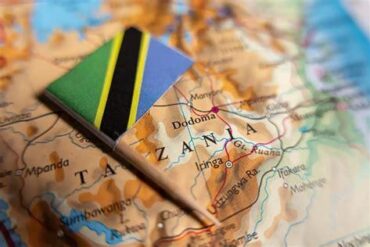
In the heart of Tanzania, traditional drums are beating, mingling with the sounds of agriculture and rustling leaves beneath a forest canopy. Here in Dodoma, the country’s capital and an economic moon shot city, a vision for cultural and eco-tourism is emerging. Rosemary Senyamule, the Regional Commissioner, is a dynamo behind this transformation. “The idea is to make Dodoma more than just a seat of government; it should be a vibrant tourism town that emphasizes tradition, reflects agriculture, and shows concern for the environment.” This ambitious plan is set to be officially unveiled on August 4 by Ambassador Mahmoud Thabit Kombo, Minister for Foreign Affairs and East African Cooperation. The initiative represents a shift in how Tanzania presents its hinterland areas within its overall tourism proposition. For too long, travelers have whizzed past Dodoma en route to the northern safari circuit. Now, with the region’s deep cultural roots and ecological treasures, it is poised to come into its own.
Cultural Diversity as a Tourism Resource
At the heart of this project lies Dodoma’s vibrant cultural fabric. The area is home to several key ethnic groups — the Gogo, Sandawe, Rangi, and Burunge — each with their own languages, histories, and ways of life. Regional Commissioner Senyamule has emphasized that these communities will provide authentic experiences for both domestic and international visitors. From folklore dances and native cuisine to handcrafts and rich storytelling, the people of Dodoma represent a living cultural nucleus. The tourism strategy aims to create an outlet for these cultural expressions through cultural villages, homestays, and community-based festivals. Visitors will engage with the culture, not merely observe it. “Our tours are designed to invite visitors to be part of the culture, allowing them to interact with artists and locals, experiencing things they wouldn’t encounter on their own,” Senyamule explained. This approach aligns perfectly with the Ministry of Natural Resources and Tourism’s vision, which recognizes cultural tourism as a significant revenue generator for the nation.

Eco-Tourism Anchored in Natural Wealth
Dodoma is endowed with rich flora and fauna, featuring a variety of landscapes, including the Swagaswaga and Mkungunero forest reserves at the northern border of the Maasai steppe, adjacent to Tarangire National Park. These reserves boast unique species of flora and fauna and remain relatively untouched by mass tourism. The proposal includes guided nature trails, birdwatching excursions, and conservation lessons led by knowledgeable local guides. The Swagaswaga Forest Reserve, renowned for its miombo woodlands, medicinal plants, antelopes, primates, and rare birds, offers a pristine environment for eco-tourists. Mkungunero also presents opportunities for eco-tourism, featuring wildlife migration corridors used by elephants migrating from Tarangire to central Tanzania. The government’s commitment to eco-tourism aligns with the Tanzania Environmental Action Plan, aiming to attract low-impact tourists while generating revenue for local communities through environmental preservation.
Agritourism: Dodoma Vineyards and Farms Grab the Limelight
Agriculture serves as the backbone of Dodoma’s economy, and now it is being reimagined as a tourist attraction through agritourism. The region’s distinguished grape farming, particularly around Mpunguzi, Hombolo, and Mpwapwa, is set to drive this transformation. Visitors can partake in wine-tasting tours, harvest grapes, or even enroll in farm-to-table cooking classes. Senyamule noted that tourists are increasingly interested in learning about winemaking and exploring agricultural landscapes. This shift towards experiential travel reflects broader trends identified by the Tanzania Investment Centre, which promotes value-added agricultural exports and tourism linkages. Local crops such as sorghum, sunflowers, and groundnuts, especially found in Mpwapwa District, offer additional educational and culinary experiences. Such visits not only promote Dodoma’s rural beauty but also generate alternative income sources for smallholder farmers.
Infrastructure, Stakeholder Participation, and Linkages with the Region
For this ambitious approach to succeed, infrastructure improvements and stakeholder engagement are essential. Senyamule has called on both local and international tourism investors to focus on enhancing infrastructure, including well-maintained roads, appropriate signage, accommodations, and effective digital marketing platforms. Dodoma is strategically positioned to leverage its proximity to other regions, creating a seamless tourism circuit. A visitor could experience cultural activities in Dodoma, embark on wildlife safaris in Tarangire, and delve into spiritual history at the Kondoa Rock-Art Sites — all within a few hours’ journey. The Ministry of Works and Transport has plans to rehabilitate regional roads, while the Tanzania Tourist Board is set to include Dodoma in its international marketing efforts.
Meeting Demands: A Plea from the Sorghum Farmers
As tourism begins to flourish, development challenges persist, particularly in agriculture. Sorghum farmers attending a recent forum in Mpwapwa expressed concerns about limited access to loans and modern farming technologies. Activists advocating for smallholder farmers have urged financial institutions like CRDB and NMB banks to streamline loan approval processes and align them with agricultural calendars. The Acting Agriculture, Livestock, and Fisheries Officer for Mpwapwa, Mr. Daniel Sallah, echoed these sentiments, emphasizing the need for timely loans and resources to boost agricultural productivity. Addressing these challenges is crucial not only for food security but also for the success of agritourism projects that rely on robust and visible farming communities.
Effects on Employment, Culture, and Sustainable Growth
If effectively implemented, Dodoma’s tourism promotion plan holds the potential to:
- Generate employment opportunities in hospitality, transportation, agriculture, and creative industries.
- Protect endangered cultures by ensuring they remain profitable.
- Attract foreign investment and diversify regional revenue sources.
- Uphold ecological integrity and safeguard preserves.
- Enhance connectivity between rural and urban areas, thereby improving the standard of living.
For local children, the prospects are immense. As future tour guides, cultural performers, eco-lodge operators, and agricultural entrepreneurs, they stand to gain valuable skills, income, and increased respect for their cultural heritage.
The Road: A Template for Other Places
Dodoma’s strategic plan could serve as a model for similar inland regional tourism development across Tanzania. By focusing on culture, ecology, and community involvement, the region is pioneering a new paradigm for uplifting local populations without exploitation. It enables the entertainment of guests while preserving the authenticity that attracts visitors in the first place. Sustainability and cultural identity are integral to Tanzania’s Vision 2025 and the UN Sustainable Development Goals. With strategic planning, effective leadership, and strong support, Dodoma has the potential to emerge as a significant player in Tanzania’s tourism landscape.
Final Thoughts: Travel Beyond Safari
For many travelers, Tanzania evokes images of Serengeti sunsets and Zanzibar beaches. Yet, in the arid plains and lush vineyards of Dodoma, another kind of magic awaits — one that celebrates people, tradition, and transformation. As the Gogo drums resonate into the evening, and the first visitors savor wine from the slopes of Mpunguzi, a new chapter is unfolding — not just for Dodoma, but for all of Tanzania. This initiative transcends a mere tourism campaign; it embodies a movement fueled by pride, driven by purpose, and led by the vibrant community that calls Dodoma home.