Understanding the Role of a Human Factors Psychologist
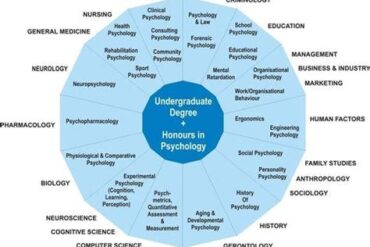
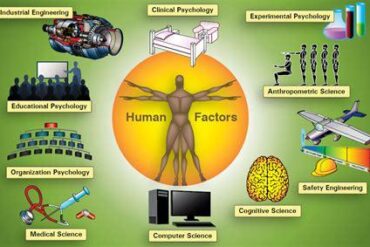
In the evolving landscape of technology and machine interaction, human factors psychologists are the bridge between innovation and usability. These professionals specialize in ergonomics, engineering psychology, and cognitive science, ensuring that human capabilities and limitations are at the forefront of design. From aerospace systems to consumer products, their insights shape how technology accommodates human users rather than the other way around.
Unlike traditional psychologists, human factors specialists often operate within high-stakes environments—air traffic control, nuclear power plants, and automotive design labs—where a minor error can cascade into a catastrophic event. Their job is not only about optimizing performance but also about eliminating human error, enhancing safety, and improving efficiency.

Core Responsibilities in Human Factors Psychology
Human factors psychologists conduct extensive user-centric research to understand how people interact with machines, systems, and environments. Their work involves:
- Conducting usability testing and task analyses
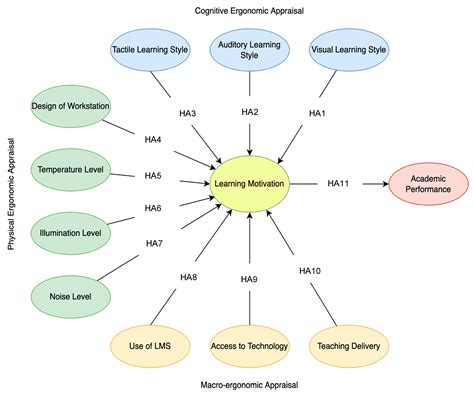
- Studying the impact of fatigue, stress, and environmental conditions on performance
- Designing systems that minimize the risk of injury or error
- Improving product design for better usability and intuitiveness
- Collaborating with engineers, industrial designers, and software developers
Whether they are reimagining the layout of an airplane cockpit or tweaking the interface of a hospital monitoring system, the goal remains consistent: ensure optimal human performance and well-being within complex systems.
The Educational Path to Becoming a Human Factors Psychologist
The journey to this career starts with a bachelor’s degree in psychology or a related field. Students should aim for coursework in:
- Cognitive psychology
- Statistics and experimental design
- Industrial-organizational psychology
- Computer science or human-computer interaction
Programs such as those at Embry-Riddle Aeronautical University or Texas Tech University offer specialized tracks in aviation psychology and human systems integration, setting students apart from the start.

Advancing Through Graduate Studies
A master’s degree in human factors psychology deepens knowledge in experimental methods, applied ergonomics, and human-technology interaction. These programs emphasize research and hands-on experiences, often involving simulation labs or internship placements with tech firms or government agencies.
At the doctoral level, students pursue a PhD or PsyD in psychology with a focus on human factors. The curriculum involves:
- Advanced research methodology
- Dissertation research guided by a faculty committee
- Fieldwork in sectors like aviation, defense, or medical tech
Doctoral studies typically span 3–5 years and position graduates for careers in academia, government R&D, or private sector innovation.
Licensing and Certification
All practicing psychologists must be licensed. While licensure requirements vary by jurisdiction, most states require:
- A doctoral degree
- Supervised clinical or applied hours (e.g., 2,000 postdoctoral hours)
- Passing scores on national and state psychology exams
Some states mandate coursework or exams on state-specific laws and ethics. Continuing education is essential, with professionals expected to stay updated on research trends and new regulations.
Online Options and Flexibility in Education
For professionals seeking flexibility, online master’s programs in human factors psychology offer access to high-quality education without geographic constraints. These programs mirror their on-campus counterparts in rigor and depth, offering courses in:
- Human performance engineering
- Usability and interface design
- Data analysis and experimental psychology
Graduates can access internships or research placements through virtual arrangements or local partnerships, making this a viable option for career changers and working adults.
Career Opportunities and Applications
The versatility of human factors psychology opens doors in multiple sectors:
- Aerospace and aviation: improving cockpit layouts, pilot training simulations
- Healthcare: optimizing surgical tools, reducing hospital errors
- Consumer electronics: refining product interfaces and improving usability
- Government: supporting military systems, transportation safety, or homeland security
In industry, professionals collaborate with UX/UI teams to enhance the design of smartphones, websites, and wearable tech. In academic environments, they teach and conduct research, contributing to the evolution of applied psychology.

Key Skills for Success in the Field
Becoming a successful human factors psychologist requires more than academic prowess. The role demands a blend of technical knowledge and soft skills:
- Analytical thinking to evaluate system design and user feedback
- Research competence in designing and interpreting experiments
- Collaboration with interdisciplinary teams
- Communication skills for conveying complex ideas to non-experts
- Ethical judgment to prioritize user safety and integrity of systems
These skills allow psychologists to not only analyze data but also to champion user-centric innovations across industries.
Human Factors vs. Related Psychology Fields
Although overlapping in some areas, human factors psychology is distinct from:
- Industrial-organizational psychology: which focuses on worker behavior, team dynamics, and organizational structure
- Engineering psychology: often overlaps but may dive deeper into machine design and automation
- Aviation psychology: a subset of human factors, specific to air travel
These distinctions matter when choosing a specialization, particularly when selecting graduate programs or research focuses.
Outlook and Future of the Profession
The demand for human factors psychologists is growing, especially as artificial intelligence, autonomous vehicles, and wearable tech become integrated into daily life. The U.S. Department of Labor projects sustained growth in this sector, particularly in:
- User experience design
- Medical device development
- Safety and risk mitigation roles in transportation and energy
Organizations like the APA’s Division 21: Applied Experimental and Engineering Psychology and the Human Factors and Ergonomics Society continue to promote standards and research that push the profession forward.
FAQs
What is the difference between human factors psychology and ergonomics?
While often used interchangeably, ergonomics typically refers to the practical application of design principles to improve comfort and efficiency. Human factors psychology, by contrast, encompasses broader psychological research to inform those design decisions. It dives deeper into cognitive processing, perception, and behavior in complex systems.
Do you need a PhD to work in human factors psychology?
Not always. Entry-level roles in user experience research or product testing may only require a master’s degree. However, positions involving independent research, teaching, or licensing as a psychologist typically require a PhD or PsyD.
What industries hire human factors psychologists?
They are employed in aviation, healthcare, automotive, defense, consumer electronics, and academia. Any field involving human-system interaction stands to benefit from their expertise, particularly those focused on safety, usability, and performance optimization.