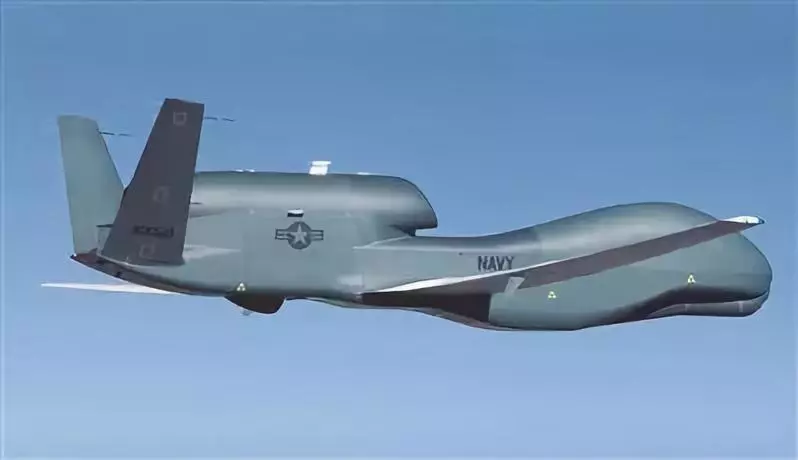
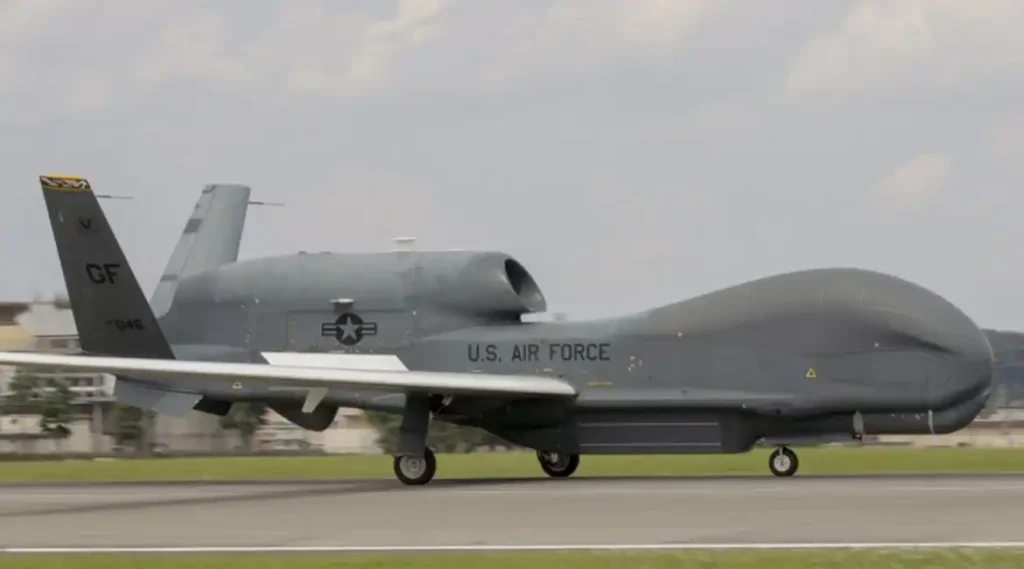
The retirement of the Northrop Grumman RQ-4 Global Hawk represents a significant shift in U.S. military strategy. Once considered a revolutionary high-altitude, long-endurance (HALE) unmanned aerial vehicle (UAV) for intelligence, surveillance, and reconnaissance (ISR), the RQ-4 is now being phased out. This decision stems from multiple factors, including vulnerability on the modern battlefield, high operational costs, emerging alternative technologies, and evolving strategic priorities. Below, we delve into the primary reasons behind its retirement.
Lack of Survivability in Contested Airspace
Absence of Stealth and Maneuverability
The RQ-4 was designed in an era when stealth was not a primary consideration for UAVs conducting ISR missions. Its large radar cross-section (RCS) and predictable high-altitude, low-speed flight profile (cruise speed of approximately 635 km/h) make it highly susceptible to modern integrated air defense systems (IADS). In recent years, advanced adversaries such as China and Russia have developed sophisticated anti-access/area denial (A2/AD) strategies, which significantly diminish the RQ-4’s survivability.
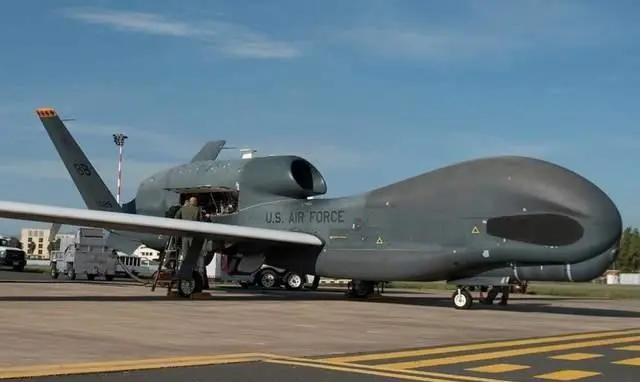
Incidents have demonstrated the vulnerability of the RQ-4:
- 2019: Iran successfully shot down an RQ-4 using a medium-range surface-to-air missile (SAM), highlighting the aircraft’s limitations in high-threat environments.
- 2024: Russia similarly downed an RQ-4 over the Black Sea, reinforcing the view that the UAV is ill-suited for contested airspace operations.
Given these developments, the U.S. military has assessed that the RQ-4’s survival rate in future conflicts involving near-peer adversaries is nearly zero.
Limited Self-Defense Capabilities
Although the RQ-4 is equipped with an AN/ALR-89 self-protection suite, including radar warning receivers, laser warning systems, and ALE-50 towed decoys, these measures are insufficient against saturation attacks from advanced air defense systems. Unlike combat aircraft, the RQ-4 lacks any kinetic countermeasures, making it a defenseless target in high-threat airspace.
High Costs and Maintenance Burdens
Escalating Procurement and Operational Expenses
The RQ-4’s price has risen dramatically since its inception. Originally estimated at $50 million per unit, costs have ballooned to $218 million per aircraft, surpassing even the unit cost of some fifth-generation stealth fighters like the F-35 Lightning II. Beyond procurement, the operations and maintenance costs of the RQ-4 fleet remain prohibitively high.
By retiring the RQ-4, the U.S. Department of Defense (DoD) estimates a potential savings of $21 billion over five years. These funds can be redirected toward more survivable and cost-effective ISR alternatives.
Aging Fleet and Maintenance Challenges
Many RQ-4s have been in service for over 20 years, and the availability of spare parts and maintenance support is becoming increasingly problematic. The Block 20 and Block 30 variants, in particular, suffer from outdated sensor and avionics suites that no longer meet modern battlefield requirements. Upgrading these legacy systems would demand significant financial investments, making retirement a more viable option.
Technological Advancements and Strategic Shifts
The Rise of Stealth UAVs
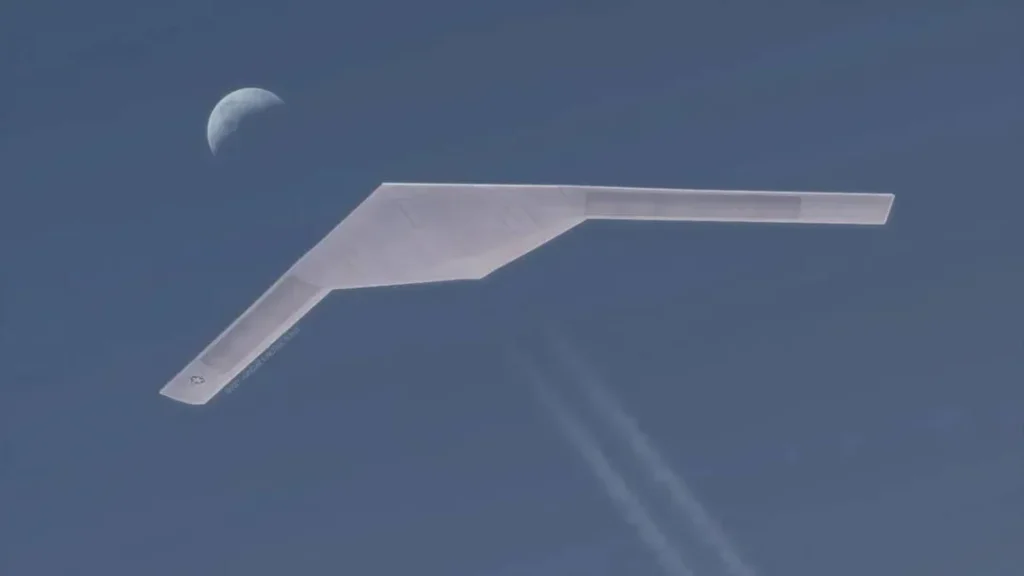
As the RQ-4 becomes increasingly obsolete, the U.S. military is shifting focus toward next-generation stealth UAVs such as the RQ-180 “White Bat”. This classified high-altitude ISR platform, designed with a flying-wing configuration similar to the B-2 Spirit, offers low observability, advanced sensors, and electronic warfare capabilities. The RQ-180 can operate in denied airspace, giving the U.S. a significant advantage in peer-level conflicts.
Multi-Domain Integration and Space-Based ISR
The U.S. military is transitioning towards a multi-domain ISR strategy, reducing reliance on single-platform surveillance assets like the RQ-4. The DoD is actively developing distributed low-earth orbit (LEO) satellite constellations to provide persistent global reconnaissance coverage. These space-based systems, in conjunction with B-21 Raider bombers, will ensure ISR resilience and redundancy, mitigating the risks of losing a single high-value platform.
Repurposing for Hypersonic Weapon Testing
Rather than completely decommissioning all airframes, some retired RQ-4s are being converted into “RangeHawk” test platforms. These modified UAVs support hypersonic weapons testing, gathering critical flight data on advanced missile technologies. This approach allows the DoD to extract remaining operational value from the RQ-4 while aligning with future military priorities.
Data Security Concerns and Strategic Adjustments
Risk of Technology Compromise
Following the 2019 Iranian shootdown, concerns arose regarding potential reverse engineering of the RQ-4’s radar, communication, and sensor technologies. Intelligence suggests that Russia and China have gained access to sensitive information from downed U.S. UAVs, accelerating their own UAV and air defense developments. By retiring older platforms, the U.S. reduces the risk of further technology exposure.
The Shift Towards Penetrating Airborne ISR
In alignment with the U.S. Air Force’s “Penetrating Counterair” doctrine, future ISR assets must integrate stealth, speed, and networked warfare capabilities. The RQ-4’s legacy design philosophy is incompatible with modern high-end conflict scenarios, necessitating the adoption of more survivable and adaptive ISR solutions.
Conclusion
The retirement of the RQ-4 Global Hawk signals a pivotal transformation in U.S. military strategy, reflecting a shift from traditional high-altitude reconnaissance to stealth-based, distributed, and multi-domain ISR capabilities. The decision is driven by the RQ-4’s vulnerability in contested environments, escalating costs, technological obsolescence, and the emergence of more advanced ISR solutions.
As next-generation platforms like the RQ-180, B-21 Raider, and space-based ISR assets take center stage, the U.S. military ensures continued dominance in intelligence-gathering operations. Despite its retirement, the RQ-4’s legacy as a trailblazer in unmanned reconnaissance remains undisputed, having played a crucial role in shaping modern ISR doctrine and aerial warfare tactics.