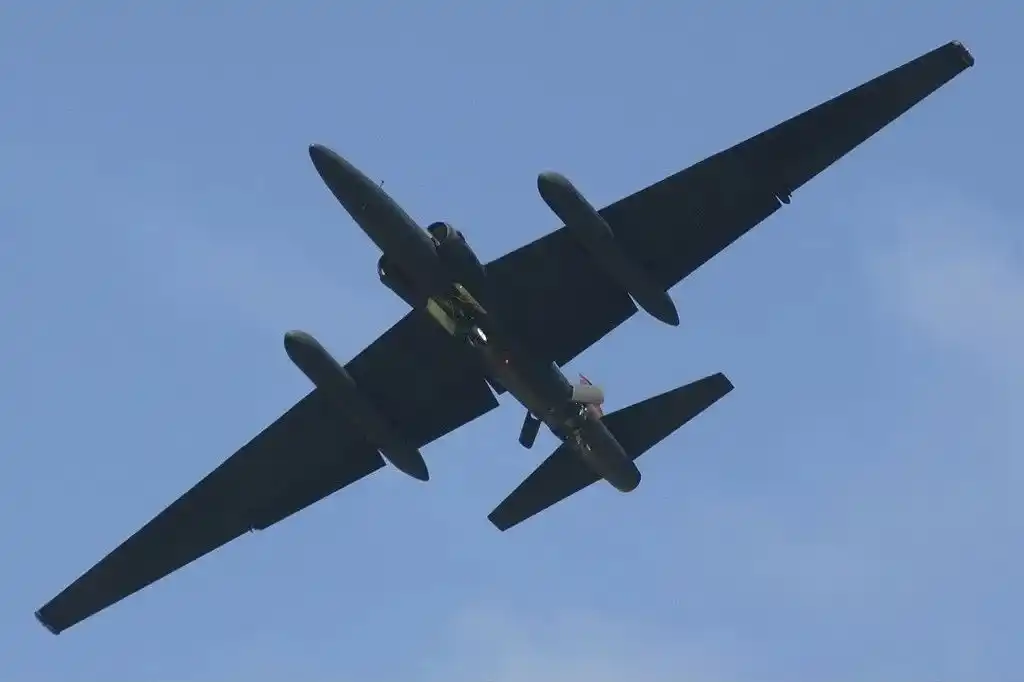
The U-2, a high-altitude reconnaissance aircraft, has been a key asset for the United States military since its introduction in 1955. It has not only played a pivotal role in Cold War-era intelligence but also contributed significantly to modern reconnaissance efforts. However, after nearly 70 years of service, the U-2 is approaching the end of its operational life. This article explores the reasons behind the retirement of the U-2, examining factors such as technological obsolescence, high maintenance costs, the emergence of advanced reconnaissance platforms, and changing military strategies.
The Aging of the U-2: A Legacy of Cold War Technology
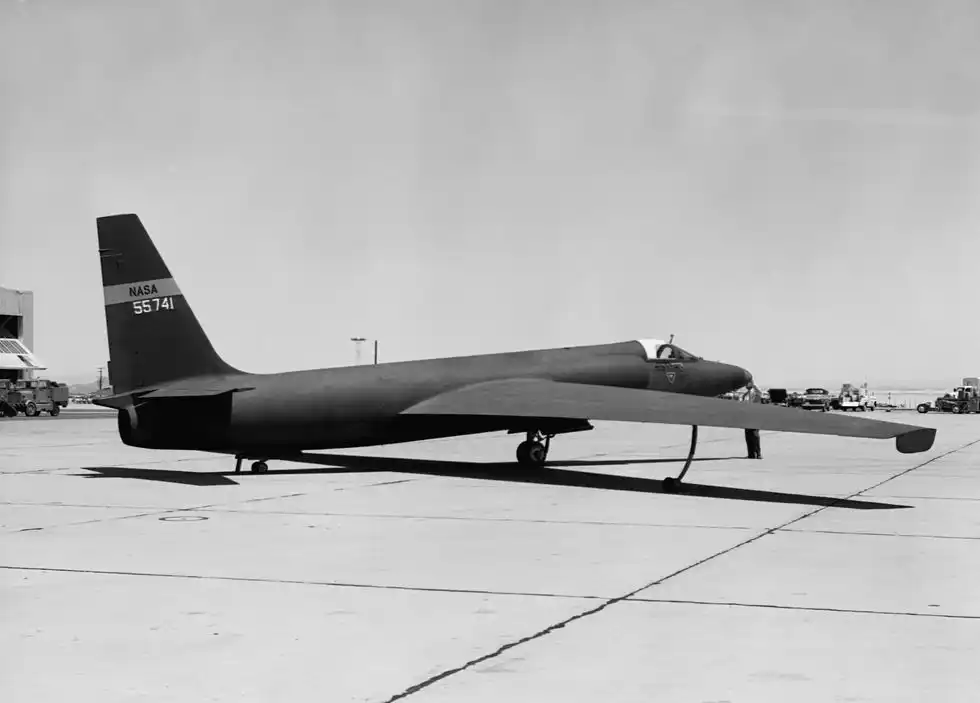
When the U-2 first took to the skies, its design was cutting-edge for its time. Developed during the early stages of the Cold War, it provided the United States with a critical capability for high-altitude surveillance. However, as the years passed, the U-2’s technology began to show signs of age. The aircraft was originally designed using 1950s-era technology, and after almost seven decades of service, its physical structure and core systems are showing their wear.
The U-2’s airframe and key components, such as the J75-P-13B engine, are approaching the end of their lifecycle. Even though the aircraft has undergone several upgrades over the years to improve its avionics and maintain its relevance in modern warfare, the fundamental design still relies on outdated technology that is no longer suitable for today’s high-tech battlefields. As a result, the U-2’s ability to adapt to modern demands for stealth, speed, and networked operations has become increasingly limited.
Maintenance Challenges and Skyrocketing Costs
One of the most significant factors contributing to the U-2’s retirement is the escalating cost of maintaining the aircraft. The U.S. Air Force has estimated that the maintenance costs for the U-2 fleet exceed $360 million annually. This is a substantial sum, particularly when compared to the lower operating costs of newer reconnaissance platforms. The U-2’s aging systems require constant repairs, and finding replacement parts has become a significant challenge. For instance, certain key components are no longer in production, meaning that they must be custom-manufactured at great expense.
The maintenance process itself is also far more complex than that of modern aircraft. Reports have indicated that U-2 airframes are suffering from increased structural fatigue, with some parts requiring 18-month-long overhaul cycles due to their rarity and complexity. The cost of maintaining the fleet is simply not sustainable in the long term, especially when weighed against the benefits of transitioning to more advanced platforms.
Emergence of New Surveillance Technologies
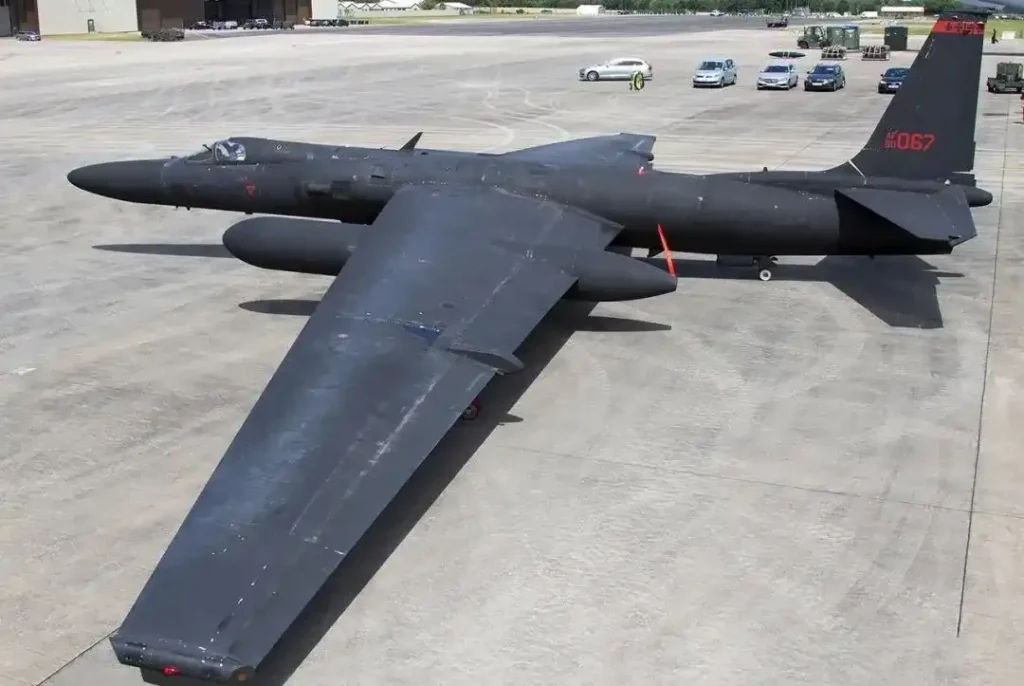
While the U-2 has remained a reliable platform for many years, the world of reconnaissance has evolved rapidly. New technologies, including space-based satellites and unmanned aerial vehicles (UAVs), have significantly surpassed the U-2’s capabilities in terms of efficiency, security, and performance.
The Rise of Satellite Reconnaissance
One of the major alternatives to the U-2’s role is space-based reconnaissance. Satellites, such as those in the NROL (National Reconnaissance Office) series, provide continuous, global surveillance capabilities. These platforms can offer real-time intelligence without the need for physical presence over potentially hostile territory, which significantly reduces the risks involved. With advances in satellite technology, these systems can operate autonomously for extended periods, providing valuable insights into areas previously inaccessible by traditional manned aircraft.
The global reach of satellites allows for real-time monitoring from any location on Earth, making them far more versatile than the U-2, which can only surveil specific areas and requires a much greater operational cost to deploy. Satellites also have the advantage of being harder to detect and more resilient to enemy action, further reducing the reliance on high-risk, manned reconnaissance platforms.
The Advent of the RQ-180 Stealth Drone
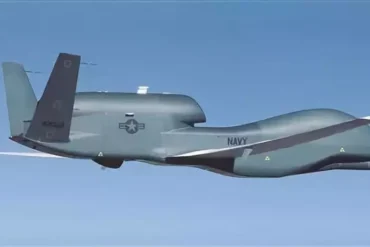
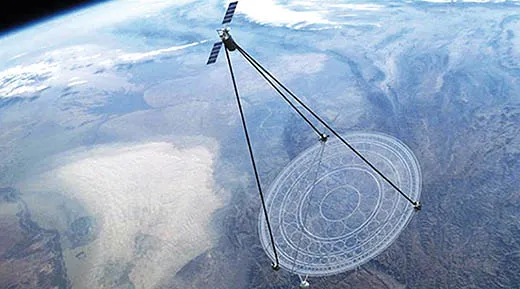
Another critical factor contributing to the U-2’s retirement is the development of advanced stealth UAVs like the RQ-180. The RQ-180 is designed with stealth capabilities, allowing it to evade modern air defense systems such as the Russian S-400 and other advanced radars. Unlike the U-2, which has become vulnerable to modern anti-aircraft threats, the RQ-180 can fly deep into enemy airspace without being detected, providing the U.S. military with crucial intelligence without putting human lives at risk.
The RQ-180 is also much more cost-effective in terms of maintenance and operation. As a drone, it requires fewer resources to operate than the U-2, which necessitates a large ground crew and specialized facilities. The drone’s ability to integrate with modern military systems, including F-35 fighter jets and other platforms, makes it an ideal replacement for the U-2 in strategic reconnaissance.
F-35’s Multi-Role Capability
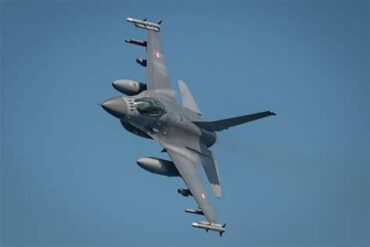
In addition to UAVs and satellites, the F-35 fighter jet has also taken on some of the U-2’s reconnaissance functions. The F-35 is equipped with the EOTS (Electro-Optical Targeting System), which allows it to conduct real-time surveillance and intelligence gathering while simultaneously carrying out combat missions. The F-35’s advanced sensors and communication systems make it capable of performing both tactical reconnaissance and strike operations, further diminishing the need for the U-2 in modern combat scenarios.
The U-2’s Safety and Operational Limitations
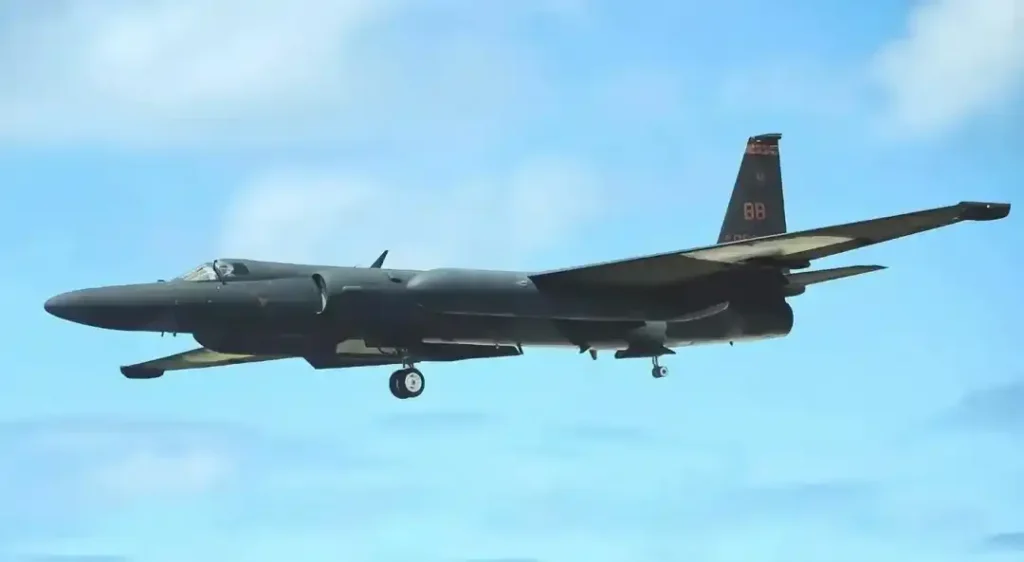
The U-2’s design, while innovative in the 1950s, has several inherent safety and operational limitations that have become increasingly problematic. One of the most notable of these is the aircraft’s unique landing requirements. The U-2 does not have a fixed landing gear; instead, it requires ground support vehicles to assist with landing. This makes the aircraft significantly more vulnerable during landing and takeoff, and it has contributed to a higher accident rate compared to other military aircraft.
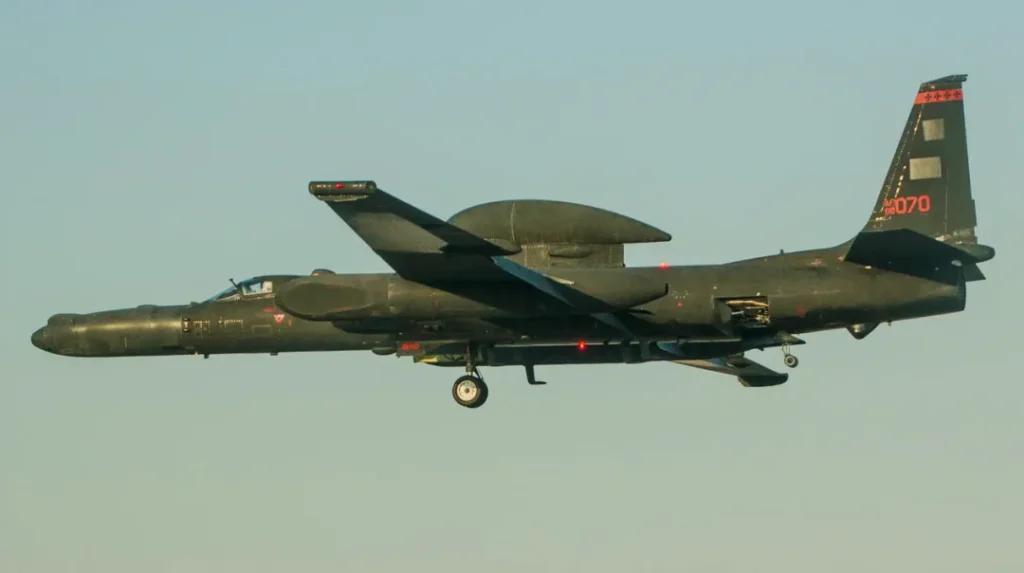
Moreover, U-2 pilots must wear pressure suits when flying at high altitudes, as the aircraft can reach altitudes of over 70,000 feet. This imposes limits on the duration of missions, as pilots can only tolerate the conditions for a certain period before becoming fatigued. Typically, these high-altitude missions last no more than 10 hours, which restricts the U-2’s operational flexibility in prolonged reconnaissance missions.
In the face of modern air defense systems, such as the S-400 and hypersonic missiles, the U-2’s vulnerability has grown significantly. Its large radar cross-section and lack of stealth make it a prime target for modern anti-aircraft systems, further diminishing its utility in contemporary combat environments.
Shifting Military Strategy and the Future of Reconnaissance
The U.S. military is currently undergoing a strategic shift towards a more integrated and networked approach to warfare, known as Joint All-Domain Command and Control (JADC2). This strategy requires reconnaissance platforms to be deeply interconnected with various military systems and capable of sharing intelligence seamlessly in real time.
Unfortunately, the U-2’s data link and communication systems are not fully compatible with modern joint operations. Newer platforms like the RQ-180 and the F-35 are designed to integrate with advanced command and control networks, enabling rapid intelligence dissemination and operational coordination. As a result, the U-2’s inability to fully integrate into this networked environment has made it increasingly obsolete.
Transition to New Platforms
The retirement of the U-2 is not an abrupt process; it is part of a larger transition towards more modern, versatile reconnaissance platforms. According to current plans, the remaining 27 U-2 aircraft will be retired in phases by 2026. During this time, the RQ-180 stealth drone and the upcoming SR-72 hypersonic reconnaissance aircraft will gradually assume the U-2’s role in strategic surveillance. The SR-72, expected to debut before 2030, will provide high-altitude, high-speed reconnaissance capabilities, further filling the gap left by the U-2.
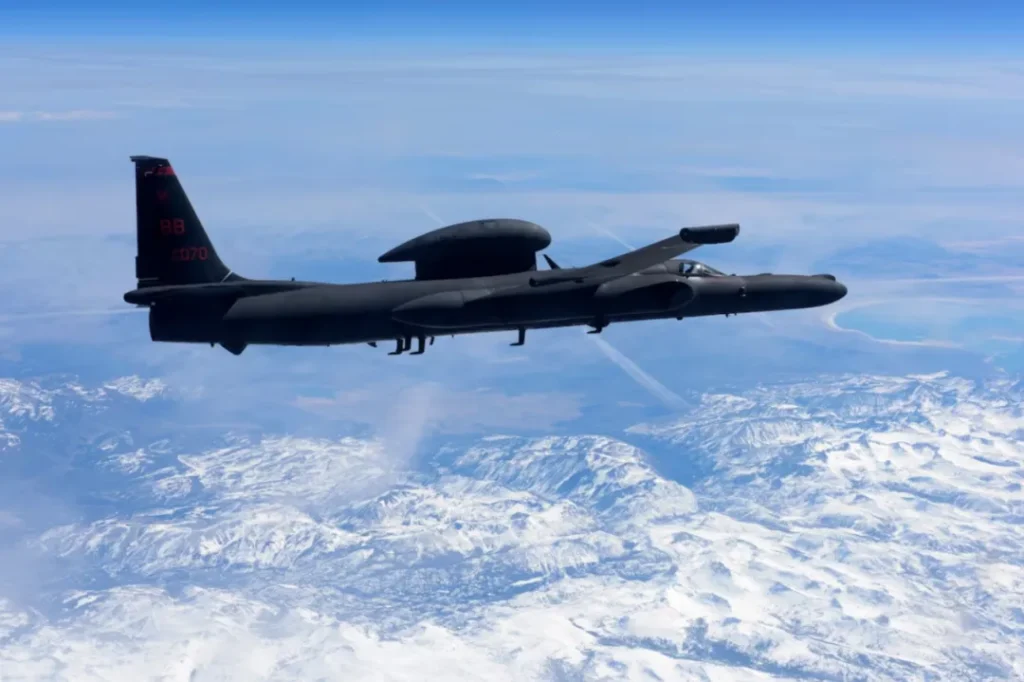
Even as the U-2 is phased out, it will continue to contribute to military development. The U-2 is currently being used to test advanced air battle management systems (ABMS), which are expected to form the backbone of future space-air integration for reconnaissance and defense operations.
Conclusion: A Strategic Shift in Reconnaissance
The retirement of the U-2 marks a significant moment in the evolution of military reconnaissance. It symbolizes a broader shift away from reliance on single-platform solutions and towards a multi-layered reconnaissance architecture that integrates satellites, UAVs, and manned aircraft. This transition is driven by the need for cost-effective, stealthy, and networked systems that can perform a wide variety of intelligence-gathering tasks while minimizing risk to personnel.
In essence, the retirement of the U-2 is a response to changing technological, strategic, and operational requirements in modern warfare. As the U.S. military adapts to the challenges of high-end conflict and great power competition, the U-2’s legacy will live on, but its role in the evolving defense landscape will be replaced by newer, more capable systems. The U-2’s retirement is not an end, but rather a transformation, as the military embraces more advanced, interconnected reconnaissance technologies to stay ahead in an increasingly complex global security environment.