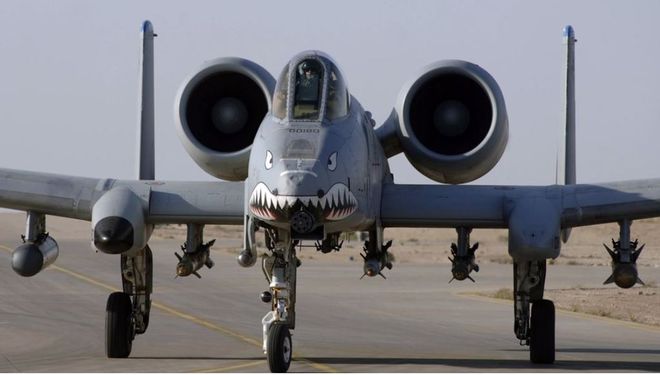
The retirement of the A-10 Warthog is one of the most debated topics within the U.S. military and defense circles. For decades, this iconic aircraft has been synonymous with close air support (CAS) and battlefield superiority. However, as modern warfare evolves, the Warthog’s continued role in the U.S. Air Force (USAF) has come into question. In this article, we will examine in detail the key reasons why the A-10 Warthog is being phased out, touching on a variety of strategic, operational, budgetary, and geopolitical factors that have influenced this monumental decision.
1. The Changing Landscape of Modern Warfare: High-End Conflicts and Survivability
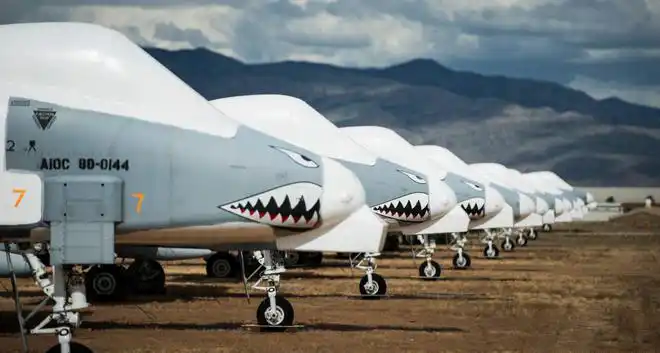
Vulnerabilities in Modern High-End Conflicts
The A-10 Warthog was designed in the 1970s to counter Soviet armored threats in Europe, where its low-speed, low-altitude approach and its formidable 30mm GAU-8/A cannon made it ideal for close-air support and tank-busting. However, in today’s evolving military environment, the aircraft’s design is becoming increasingly ill-suited for modern, high-end conflicts.
In the context of a potential confrontation with near-peer adversaries like China or Russia, the A-10’s primary strength — low-speed, low-altitude operations in contested airspace — becomes a liability. Modern anti-aircraft systems, including surface-to-air missiles (SAMs) and advanced radar-guided technologies, pose a significant threat to the A-10. Additionally, its lack of stealth capabilities makes it an easy target for modern adversaries who have advanced air defense systems.
The USAF has acknowledged that the Warthog’s vulnerabilities would significantly limit its effectiveness in future high-intensity conflicts. In scenarios where air superiority is contested, advanced multi-role platforms (such as the F-35) are seen as more capable of surviving and effectively engaging in combat operations.
The Shift Toward Multi-Domain Warfare
In modern warfare, the focus is increasingly on multi-domain operations, where air superiority, cyber capabilities, electronic warfare, and long-range precision strikes are prioritized. The A-10, which excels in a highly specialized niche, simply cannot adapt to these needs. The F-35 Lightning II, with its multi-role versatility, stealth capabilities, and cutting-edge technology, is more aligned with future warfare requirements.
While the A-10 remains an impressive platform for low-intensity conflicts and asymmetric warfare, its role in high-end, peer-level wars has become less critical. As military doctrine shifts, the focus on agility, survivability, and technological innovation renders specialized aircraft like the A-10 less relevant.
2. Transition to Multi-Role Aircraft and Precision Strikes
The Dominance of Precision-Guided Munitions
One of the driving factors behind the A-10’s retirement is the widespread adoption of precision-guided munitions (PGMs). PGMs have fundamentally changed the way modern air forces operate. Unlike the A-10, which was designed to engage targets through close-range strafing, modern aircraft can now engage targets from high altitudes and standoff ranges, often without ever entering contested airspace.
The F-35 Lightning II, with its advanced targeting systems and precision strike capabilities, offers superior flexibility. It can perform both air-to-air and air-to-ground missions effectively, making the A-10’s specialized role redundant in the context of modern warfare, where versatility is key.
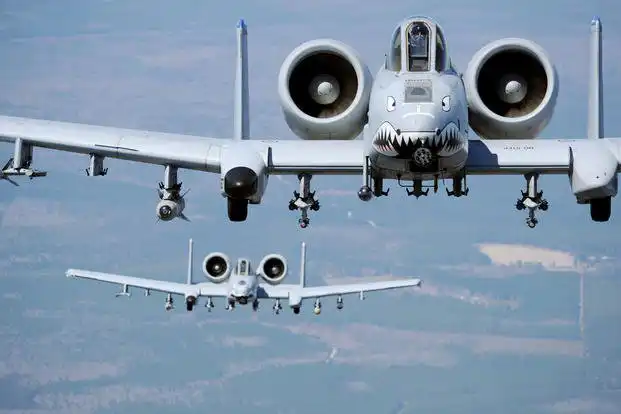
The A-10’s Legacy of Close-Air Support
While the A-10’s cannon remains unrivaled for close-in support missions, the increasing reliance on stand-off weapons has diminished the need for such a platform. Aircraft like the F-35 can strike with laser-guided bombs or smart missiles from great distances, without the risk of entering an adversary’s anti-aircraft defenses.
As a result, the A-10’s role as the premier CAS aircraft is fading. In modern conflict, precision bombing and standoff capabilities are not only more effective but also significantly safer for aircrews.
As precision-guided weapons continue to evolve, and as multi-role fighters become more capable, the need for specialized close-air-support platforms like the A-10 has decreased. The future of close-air support lies in integrating advanced technologies into versatile, multi-role platforms, rather than relying on a single-purpose aircraft.
3. Economic and Budgetary Pressures
The High Cost of Maintenance
The A-10’s retirement is also a financial decision driven by the escalating costs of maintaining an aging fleet. The A-10 was first introduced in the 1970s, and many of its airframes are nearing the end of their useful lifespan. Keeping them operational requires significant resources, especially when considering the high maintenance costs and the need for major refurbishments.
For example, the U.S. Air Force recently signed a $1 billion contract with Boeing to replace aging wing structures. Moreover, as airframes age, they experience structural fatigue, which can further drive up maintenance costs. Over time, these rising expenses make it increasingly difficult to justify the continuation of the A-10 program, especially when compared to the relatively lower operating costs of newer aircraft.
Financial Reallocation to Modern Platforms
Retiring the A-10 could save the Air Force approximately $4 billion over five years. These savings can be redirected to modernizing the fleet, particularly to next-generation platforms such as the F-35. With the increasing pressure to maintain readiness in an era of budget constraints, maintaining an aging fleet of specialized aircraft becomes a less viable option.
The financial burden of maintaining the A-10 fleet, combined with the higher priority of investing in next-generation aircraft, has accelerated its retirement. The U.S. Air Force must modernize its fleet to stay competitive, and that means reallocating resources away from older, specialized aircraft like the A-10.
4. Legislative and Strategic Policy Changes
Shifting Congressional Support
In the past, Congress has been a staunch advocate for maintaining the A-10, primarily due to concerns about close-air-support gaps in military operations. However, recent legislation, such as the 2025 National Defense Authorization Act, has reduced the mandatory number of operational A-10s, signaling a shift in legislative priorities. Under this act, the minimum number of operational A-10s was reduced from 135 to 96, a clear indication that policymakers are now more open to phasing out the platform.
This change reflects a broader strategic shift in the U.S. Air Force’s long-term planning, as it moves toward a more agile and survivable force structure, focusing on multi-role platforms capable of operating in a variety of environments.
The reduction in legislative resistance to A-10 retirements indicates a broader acceptance of the Air Force’s strategy to transition to next-generation aircraft and modern warfare doctrines. The phased retirement of the Warthog is now seen as an inevitable part of this transition.
5. Operational Transition and Replacement Platforms
Replacing the A-10 with Modern Fighters
As the A-10 is retired, U.S. Air Force units are transitioning to more modern platforms. For example, the 25th Fighter Squadron in South Korea retired its A-10s in late 2024, transitioning to the F-35. Similarly, other Air National Guard units are replacing their A-10s with aircraft capable of performing a broader range of missions, such as the F-16 and the OA-1K Sky Warden for light attack and special operations roles.
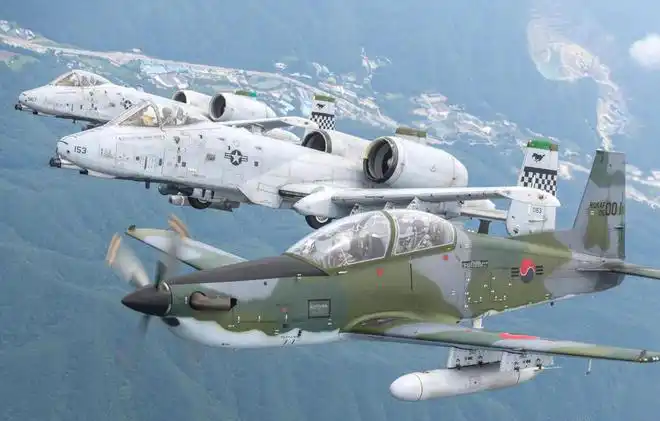
These aircraft provide not only greater versatility but also better integration with other branches of the military, particularly as multi-domain operations become the standard.
Exploring International Transfers
While the U.S. may no longer require the A-10, there is potential for these retired aircraft to be transferred to allied nations. Countries such as Ukraine and Jordan could benefit from the Warthog in lower-threat environments, where its close-air-support capabilities would still be valuable. However, this international transfer does not alter the U.S. Air Force’s internal timeline for retirement.
The U.S. Air Force has developed comprehensive transition plans to replace the A-10 with a range of modern, versatile aircraft, ensuring that operational needs are met. These transitions, coupled with the potential for international sales, ensure that the legacy of the A-10 continues to impact the world’s air forces, even as the aircraft is retired from active duty in the U.S.
6. Geopolitical Shifts and Tactical Evolution
A Changing Global Threat Landscape
The A-10 Warthog was indispensable in asymmetric conflicts, including those in Iraq and Afghanistan, where its ability to provide close-air support to ground troops was unrivaled. However, as the U.S. military’s focus shifts toward deterrence against peer-level threats, the A-10’s niche role becomes less critical. In these evolving geopolitical contexts, platforms capable of stealth, electronic warfare, and long-range strikes are becoming more valuable than specialized, slow-moving platforms like the A-10.
While the A-10 will always be remembered for its role in low-intensity conflicts, the shifting focus of U.S. military strategy — particularly the need to deter large-scale, high-intensity conflicts — makes the Warthog’s role less pivotal in the future.
Conclusion: The End of an Era
The retirement of the A-10 Warthog marks the end of an era for the U.S. Air Force. While the Warthog’s legacy as a formidable close-air-support platform is unquestioned, its relevance in modern, high-end warfare has diminished. Driven by factors such as cost-efficiency, technological evolution, and shifting military doctrines, the decision to retire the A-10 is part of a broader transition towards a more agile and versatile air force, equipped with cutting-edge, multi-role aircraft. Although the A-10’s time in service may be coming to a close, its place in military history will remain firmly entrenched, symbolizing the value of innovation, perseverance, and the unique demands of close-air support in warfare.