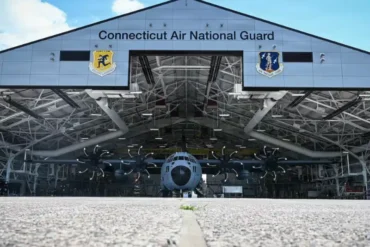
The United States Air National Guard (ANG) has long served as a crucial bridge between federal military power and state-level defense readiness. Yet growing concern is spreading across several Guard wings after aging F-16 Fighting Falcon aircraft were removed from service without immediate replacement plans. For units whose identity and mission revolve around fighter operations, the absence of a clear transition path raises strategic questions about the future structure of the Guard and the broader readiness of the U.S. Air Force.
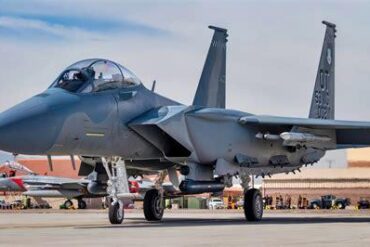
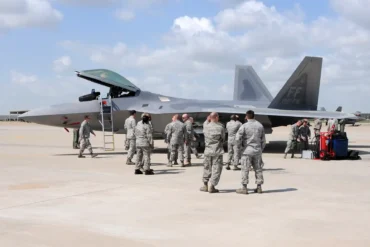
The uncertainty is not abstract. At least four Air National Guard units in Arizona, Colorado, New Jersey, and Texas have seen their F-16 fleets slated for retirement. These aircraft, many of which have served for decades, are reaching the natural end of their operational lives. Retiring older aircraft is routine in military aviation, but what makes this situation different is the lack of confirmed replacement fighters for the affected squadrons. Without new aircraft, these units may face the possibility of shifting away from fighter missions entirely.
Such a shift would carry significant operational consequences. Air National Guard fighter squadrons play a critical role in homeland defense missions, rapid-response intercepts, and federal combat deployments. Removing fighters from these wings risks reducing the distributed network of combat-ready aircraft that the United States relies on in both domestic and overseas contingencies.
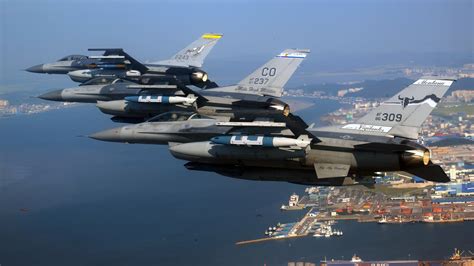
Why the F-16 Fighting Falcon Still Matters
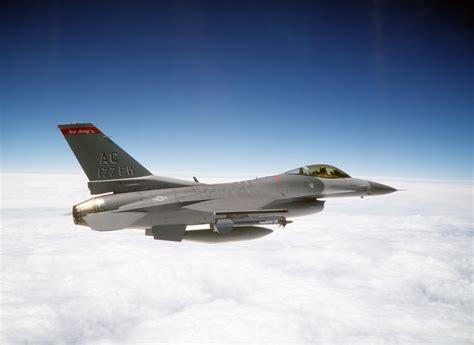
The F-16 Fighting Falcon is one of the most successful fighter aircraft ever built. First entering operational service in January 1979, the aircraft was originally manufactured in Fort Worth, Texas by General Dynamics, a program later absorbed by Lockheed Martin. Over time, multiple upgraded versions emerged, including the F-16C/D Block 25 and Block 30 variants, followed by the more advanced Block 40/42 aircraft introduced in 1989 and Block 50/52 fighters delivered in 1994.
Despite its age, the aircraft remains remarkably relevant. The F-16 was designed as a multirole fighter, meaning it can perform both air-to-air combat and precision strike missions. During Operation Desert Storm, the aircraft carried out strikes on airfields, missile launch sites, and military infrastructure across the Persian Gulf. In later decades it supported missions ranging from Operation Allied Force in the Balkans to post-9/11 operations such as Noble Eagle, Enduring Freedom, and Iraqi Freedom.
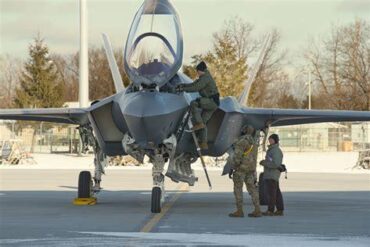
The longevity of the aircraft is striking when compared to newer platforms. Modern fighters such as the F-35 Lightning II are designed for approximately 8,000 flight hours of service life, while the F-16 fleet has averaged more than 17 years of operational lifespan per aircraft. That durability helped the fighter become one of the most widely operated combat jets on Earth.
A Global Fighter With Continuing Demand
While certain American units are retiring their aircraft, the F-16 remains in high demand worldwide. As of recent U.S. Air Force inventory figures, the United States still operates over 1,000 F-16C/D aircraft, though that number continues to change as older models retire and new versions are produced.
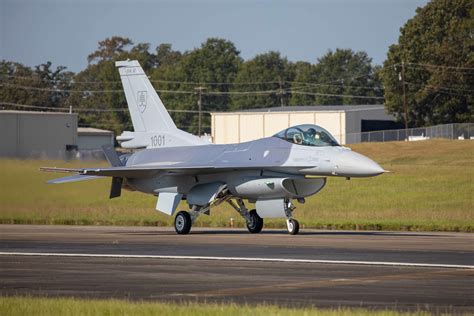
Lockheed Martin continues manufacturing the Block 70 and Block 72 F-16 variants, the most advanced versions ever produced. These aircraft include upgraded radar systems, enhanced avionics, and improved structural durability. At least 37 aircraft have already been delivered, with more than 100 additional jets awaiting completion in the production backlog.
Globally, the scale of the aircraft’s presence is staggering. Approximately 2,800 F-16 fighters operate in 29 countries, accumulating nearly 20 million total flight hours. Even as some nations retire older airframes, others continue to acquire upgraded versions to modernize their air forces.
Strategic Concerns Inside the Air National Guard
The concern among Guard leadership centers less on the retirement of old aircraft and more on what comes next. Air National Guard units traditionally balance dual responsibilities:
- State missions under the authority of a governor
- Federal missions when activated by the U.S. government
If fighter aircraft disappear from certain units, those squadrons could be reassigned to support roles such as intelligence operations, airlift, or remotely piloted aircraft missions. While those missions remain important, losing fighter capabilities would narrow the Guard’s role in air combat and rapid interception operations.
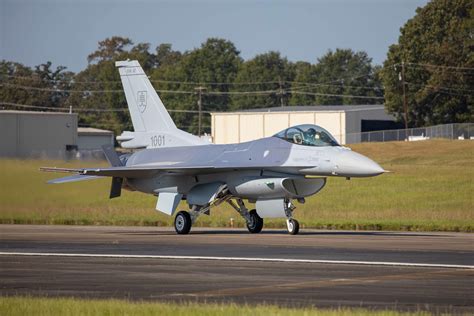
The debate is unfolding at a moment when global tensions remain high. Events such as the 2026 Iran conflict, which prompted Turkey to deploy F-16 fighters to northern Cyprus, illustrate how quickly regional crises can demand ready combat aircraft.
For the Air National Guard, the question is simple yet consequential: whether these historic fighter units will evolve into new missions—or wait for the next generation of aircraft that could restore their role in the skies. The answer will shape the Guard’s operational identity for decades to come.