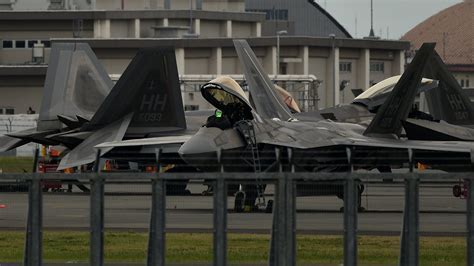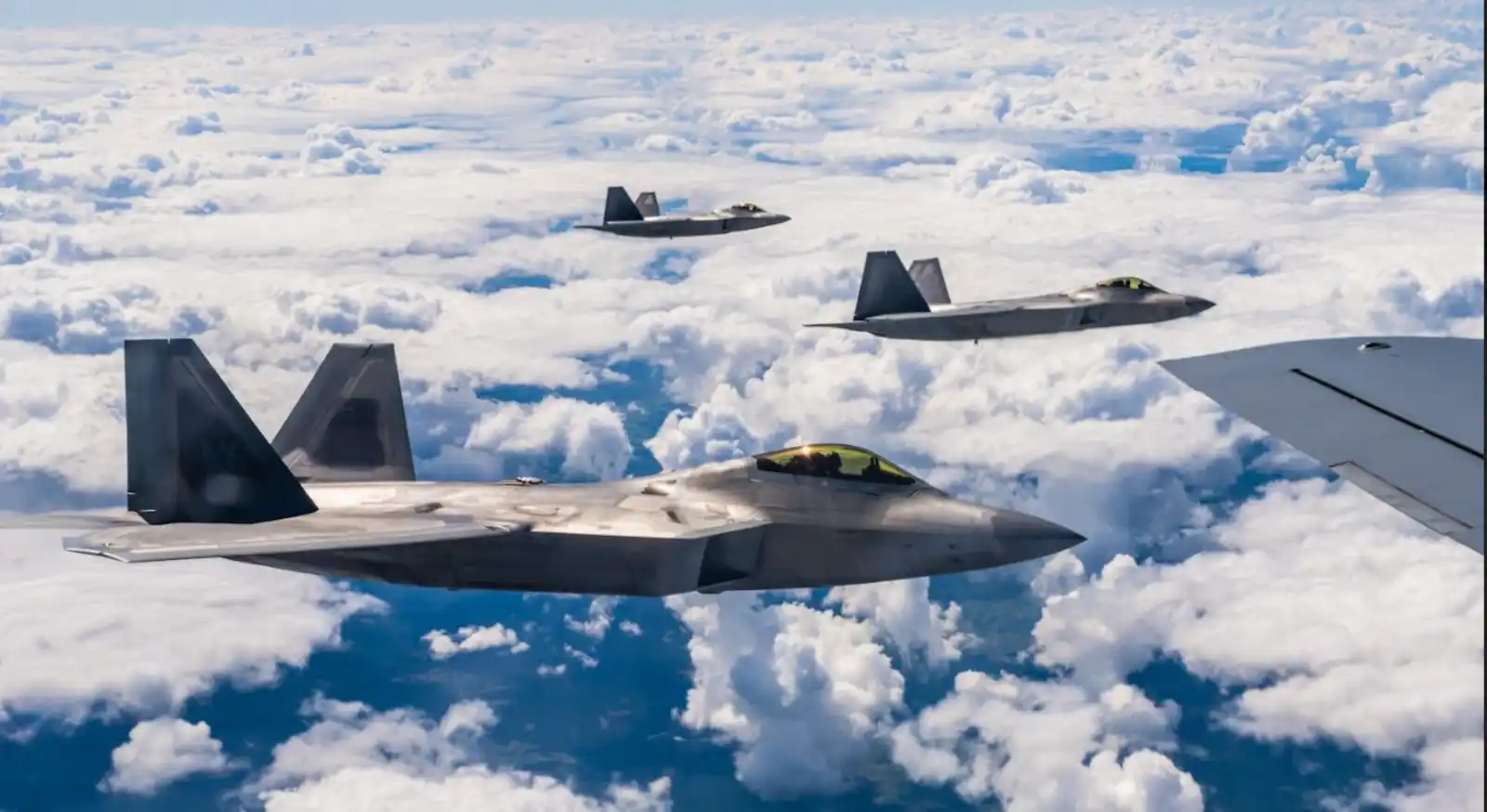
The F-22 Raptor, a state-of-the-art fifth-generation stealth fighter, has been a cornerstone of the U.S. Air Force’s air superiority for decades. Known for its advanced stealth capabilities, supercruise, and unmatched agility, the F-22 is a key asset in ensuring global air dominance. This article provides an in-depth examination of the F-22 squadrons in the U.S. Air Force, their locations, operational roles, and strategic significance in modern military operations.
The Role of F-22 Squadrons in the U.S. Air Force
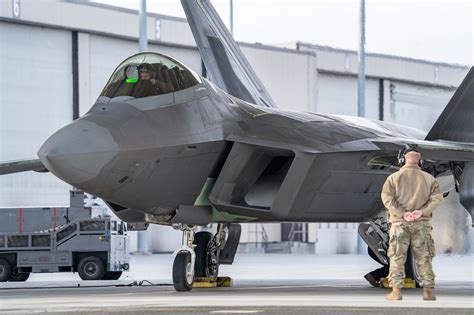
The F-22 Raptor was designed with a primary mission of achieving air superiority, which is essential for maintaining control of the skies in modern warfare. These squadrons are the backbone of the Air Force’s efforts to dominate the skies through advanced aerial combat capabilities. The squadrons are composed of multiple aircraft and personnel responsible for training, deploying, and maintaining the F-22 fleet.
As of recent estimates, there are approximately 7 operational F-22 squadrons across the U.S. Air Force. These squadrons are critical to ensuring combat readiness and are strategically positioned to respond to global threats. The exact number and locations may vary, as the U.S. Air Force frequently adjusts its assets based on operational needs, and official details are not always publicly disclosed.
Key Features of F-22 Squadrons
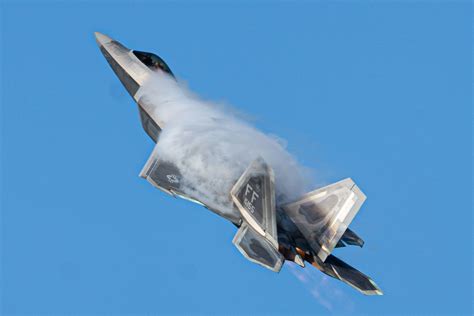
The F-22 Raptor is not just a fighter aircraft; it is a multirole combat system that integrates several advanced technologies to deliver superior performance in various combat environments. These include:
- Stealth: The F-22 features advanced stealth technology, making it nearly invisible to radar and other detection systems.
- Supercruise: The ability to fly at supersonic speeds without using afterburners, enhancing fuel efficiency and tactical capabilities.
- Maneuverability: The F-22’s exceptional agility enables it to outmaneuver almost any adversary in air-to-air combat.
- Integrated Avionics: Its sophisticated radar and sensor systems provide unparalleled situational awareness, ensuring that pilots can track and engage targets with high precision.
These technological innovations allow F-22 squadrons to maintain air superiority over both conventional and asymmetric threats. As such, these squadrons perform a variety of missions, from air-to-air combat and intelligence gathering to close air support and reconnaissance.
Strategic Locations of F-22 Squadrons
The strategic placement of F-22 squadrons across the U.S. and its territories ensures that the Air Force can respond to threats on a global scale. These locations are not only chosen for their tactical advantages but also to support long-term air dominance in key theaters of operation.
Elmendorf Air Force Base, Alaska
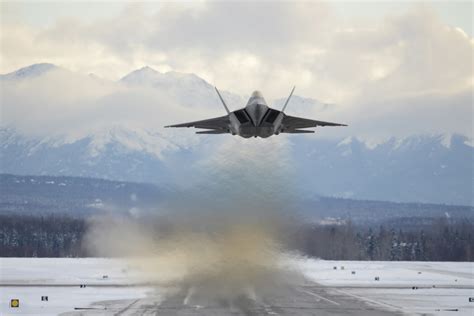
One of the primary bases for F-22 squadrons is Elmendorf Air Force Base in Alaska. Elmendorf houses two F-22 squadrons, making it one of the most critical bases for Pacific operations. The base’s proximity to potential adversaries in the Pacific region, such as China and Russia, provides the U.S. Air Force with a rapid response capability.
- 90th Fighter Squadron: With 24 F-22 Raptors, this squadron is tasked with defending the Alaskan airspace and conducting training exercises.
- 525th Fighter Squadron: Also stationed at Elmendorf, the 525th Squadron operates 23 F-22s, focusing on readiness and rapid deployment.
This location ensures that the U.S. Air Force maintains control over one of the most strategically important regions in the world.
Langley Air Force Base, Virginia
Another key location for F-22 squadrons is Langley Air Force Base in Virginia, which is home to two operational squadrons. Langley plays a vital role in combat readiness, serving as both a training hub and a deployment site for missions across the Atlantic and beyond.
- 1st Fighter Wing: The wing is responsible for the operations and readiness of the F-22 fleet in the East Coast region, providing a critical response capability for both domestic and international threats.
Langley’s squadrons are integral to maintaining air superiority over the U.S. East Coast and conducting joint operations with NATO allies.
Tyndall Air Force Base, Florida
Tyndall Air Force Base in Florida is another significant base for F-22 operations. Tyndall is home to two F-22 squadrons, which focus on both training and testing operations.
- 95th Fighter Squadron: This squadron operates 24 F-22 Raptors and is part of Tyndall’s extensive training program for combat readiness.
- 43rd Fighter Squadron: With 31 aircraft, the 43rd focuses on advanced training and maintaining operational proficiency for the F-22 fleet.
Tyndall’s role extends beyond training, as it also provides critical support for interoperability exercises and air-to-ground operations.
Hawaii: Pacific Operations
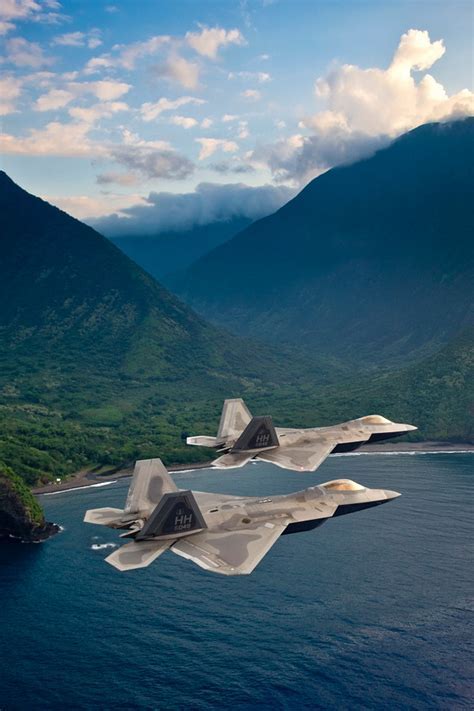
Hawaii, home to another F-22 squadron, is strategically positioned in the Pacific theater. The F-22s stationed here provide essential support for U.S. military operations in the Indo-Pacific region, countering potential threats from nations such as China.
- The squadron stationed here, with approximately 20 F-22 Raptors, is integral to maintaining a constant presence in the Pacific, ensuring that the U.S. Air Force can respond to any aggression in this critical region.
Test Units: Nellis and Edwards Air Force Bases
While Nellis and Edwards Air Force Bases are not counted among the operational squadrons, these locations are crucial for the testing and development of the F-22 Raptor. Both bases host specialized units that focus on the continuous improvement and maintenance of the aircraft.
- Nellis Air Force Base: Home to the 53rd Wing, which oversees test operations for advanced technologies and flight training.
- Edwards Air Force Base: The 412th Test Wing conducts critical testing to improve the F-22’s performance and adaptability.
These test units play a significant role in ensuring that the F-22 remains at the forefront of military aviation technology.
Operational Roles and Capabilities of F-22 Squadrons
F-22 squadrons are equipped for a broad range of operations, each contributing to the U.S. Air Force’s dominance in the skies. These units are capable of executing missions that extend far beyond traditional air-to-air combat.
Air-to-Air Combat
The F-22’s primary role is air superiority. Equipped with advanced radar systems and high-performance weapons, the F-22 is designed to eliminate enemy aircraft before they even have a chance to engage. Its stealth capabilities ensure that it can operate in highly contested environments, striking first and remaining undetected.
Air-to-Ground Combat
Though primarily designed for air-to-air missions, the F-22 is also capable of air-to-ground combat. Its precision-guided munitions and advanced targeting systems enable it to engage ground targets with extreme accuracy, making it a versatile platform for multi-domain operations.
Reconnaissance and Intelligence Gathering
The F-22 is equipped with sophisticated sensor systems that enable it to conduct reconnaissance and intelligence gathering missions. This capability is vital for providing real-time information to commanders, enhancing situational awareness and supporting decision-making in complex battle environments.
Conclusion
The F-22 squadrons of the U.S. Air Force represent the pinnacle of aerial combat technology. These highly trained units are strategically deployed at key bases across the United States, including Elmendorf, Langley, Tyndall, and Hawaii, ensuring that the U.S. maintains global air superiority. With their advanced stealth capabilities, superior maneuverability, and ability to execute a wide range of missions, the F-22 squadrons remain an integral part of the Air Force’s strategic capabilities.
FAQ
How many F-22 squadrons are currently operational in the U.S. Air Force?
There are approximately 7 operational F-22 squadrons in the U.S. Air Force, based at Elmendorf, Langley, Tyndall, and Hawaii, with additional test units at Nellis and Edwards Air Force Bases.
What is the primary role of F-22 squadrons?
The primary role of F-22 squadrons is to achieve air superiority through advanced air-to-air combat capabilities. The aircraft is also capable of air-to-ground operations, reconnaissance, and intelligence gathering.
What makes the F-22 Raptor unique compared to other fighter jets?
The F-22 Raptor is unique due to its combination of stealth technology, supercruise (ability to fly at supersonic speeds without afterburners), advanced avionics, and unmatched maneuverability, making it one of the most powerful and versatile fighter aircraft in the world.