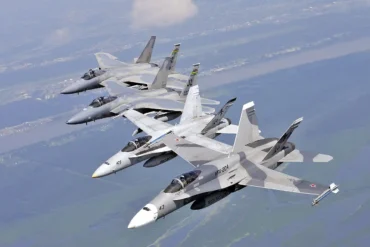
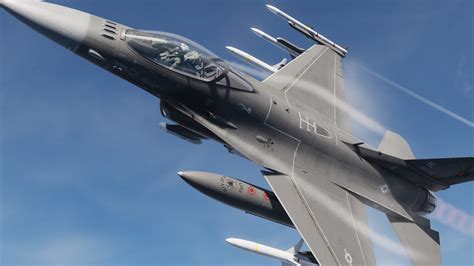
The General Dynamics F-16 Fighting Falcon is one of the most versatile and widely used fighter aircraft in the world. Since its introduction in the late 1970s, numerous squadrons across the globe have operated different variants of the F-16, each with specific missions ranging from pilot training to advanced combat operations. Below, we explore some of the most notable F-16 squadrons, their roles, and their operational significance.
Key F-16 Squadrons and Their Roles
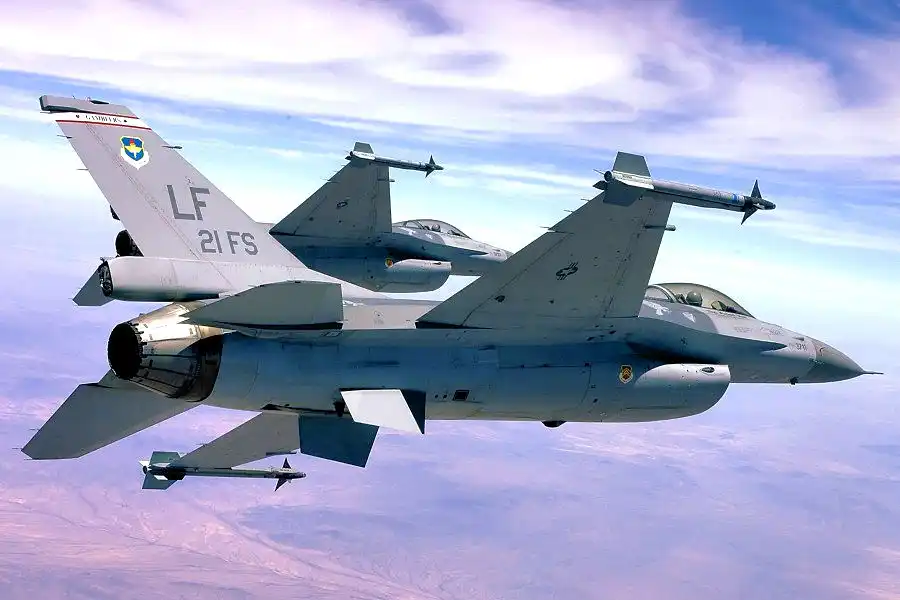
21st Fighter Squadron (“Gamblers”)
The 21st Fighter Squadron, known as the “Gamblers,” is dedicated to training F-16 pilots for the Republic of China Air Force (Taiwan). Operating under the United States Air Force (USAF), this squadron plays a crucial role in strengthening Taiwan’s air defense capabilities by ensuring that its pilots are well-versed in handling the advanced multirole fighter.
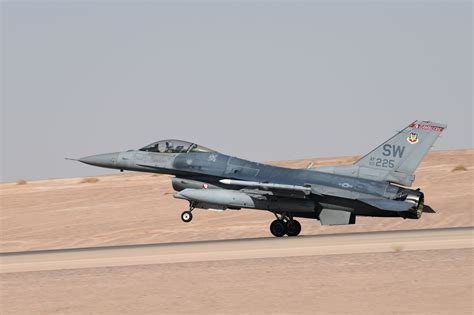
56th Operations Support Squadron (56 OSS)
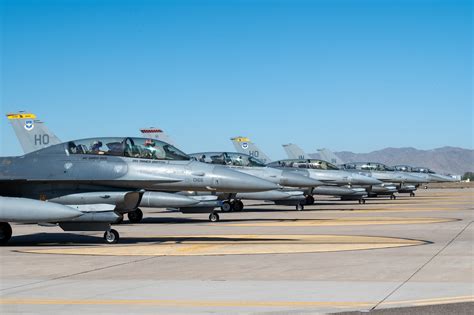
The 56th OSS is a non-flying unit responsible for airfield management, intelligence, and mission planning at Luke Air Force Base, Arizona. Unlike combat or training squadrons, this unit provides critical support services, including air traffic control, weather forecasting, and flight scheduling, ensuring that F-16 operations run smoothly.
56th Training Squadron (56 TS)
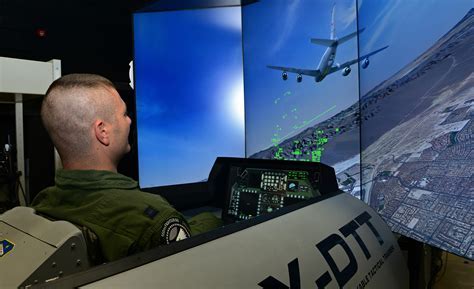
As an integral part of the 56th Fighter Wing, the 56th Training Squadron specializes in providing academic instruction, simulator training, and live-mission flight training for F-16 pilots. It ensures that pilots undergo rigorous preparation before engaging in real-world combat scenarios.
61st Fighter Squadron (“Top Dogs”)
The 61st Fighter Squadron, or “Top Dogs,” is one of the USAF’s premier F-16 training squadrons. It conducts extensive crew training for active-duty pilots, preparing them for front-line deployment. The squadron plays an essential role in maintaining combat readiness.
62nd Fighter Squadron (“Spikes”)
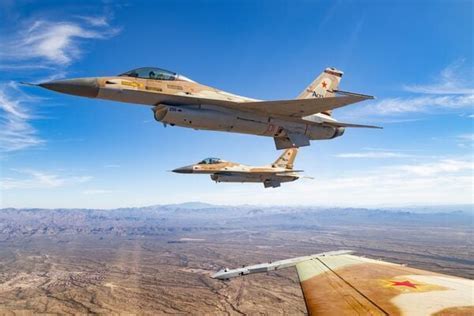
Another major training unit, the 62nd Fighter Squadron, focuses on developing new F-16 pilots and refining their combat capabilities. Operating under the 56th Fighter Wing at Luke AFB, the “Spikes” provide training for both domestic and allied air forces.
63rd Fighter Squadron (“Panthers”)
The 63rd Fighter Squadron, or “Panthers,” specializes in advanced combat training for F-16 pilots. This unit ensures that pilots achieve mastery in air-to-air and air-to-ground operations before being deployed to combat-ready squadrons.
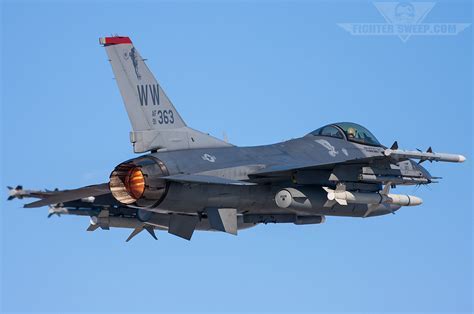
308th Fighter Squadron (“Emerald Knights”)
Notable for being the first unit to operate the F-16C/D Block 42 variant, the 308th Fighter Squadron is a vital component in the USAF’s modernization efforts. The unit has been instrumental in incorporating enhanced avionics and weapon systems into F-16 operations.
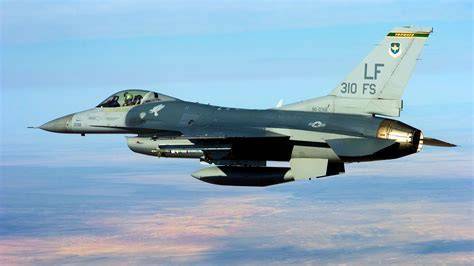
309th Fighter Squadron (“Wild Ducks”)
Specializing in night operations and combat readiness training, the 309th Fighter Squadron ensures pilots are proficient in flying under low-visibility conditions. This skill is critical for strategic night-strike missions and stealth operations.
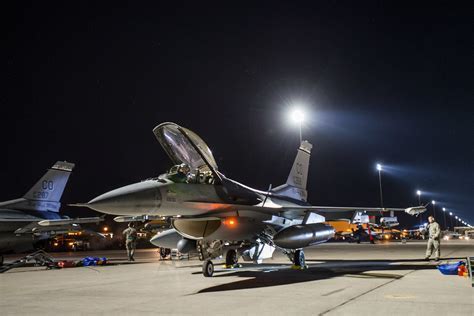
310th Fighter Squadron (“Top Hats”)
The 310th Fighter Squadron focuses on Forward Air Control-Airborne (FAC-A) and MANTIRN (Medium Altitude Navigation and Targeting Infrared for Night) training. This advanced training enables pilots to operate effectively in complex combat environments requiring precision targeting.
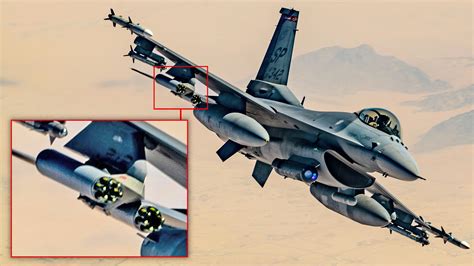
425th Fighter Squadron (“Black Widows”)
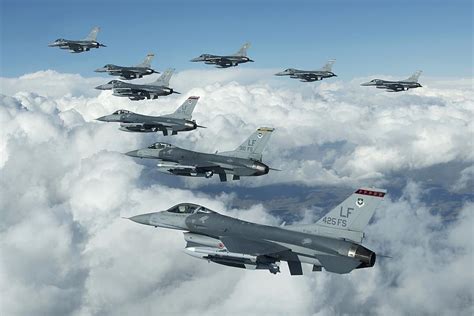
The 425th Fighter Squadron, known as the “Black Widows,” is a specialized unit that trains Republic of Singapore Air Force (RSAF) pilots in F-16 operations. The squadron is unique in that it operates aircraft bearing Singaporean insignia, reinforcing strong US-Singapore military ties.
Notable Features of F-16 Squadrons
International Training Partnerships
Certain F-16 squadrons, such as the 21st FS and 425th FS, work closely with allied nations like Taiwan and Singapore. These partnerships enhance military cooperation and ensure that allied air forces remain proficient in operating F-16 fighter jets.
Block Variants and Aircraft Specialization
Different F-16 squadrons operate various block versions of the aircraft, including:
- F-16C/D Block 42 (e.g., 308th FS) featuring advanced avionics and GPS-guided munitions.
- F-16E/F Block 60 (used by the United Arab Emirates Air Force) with enhanced radar and increased fuel capacity.
- F-16C/D Block 50/52 models used for SEAD (Suppression of Enemy Air Defenses) missions.
Mission Scope
F-16 squadrons perform a wide range of missions, including:
- Air superiority and defensive counter-air operations
- Ground attack and close air support (CAS)
- Electronic warfare and reconnaissance
- Night operations and precision strike missions
Frequently Asked Questions (FAQ)
1. How many F-16 squadrons does the U.S. Air Force operate?
The USAF operates multiple F-16 squadrons across various fighter wings and bases, with the primary focus on combat readiness and pilot training. Exact numbers vary due to base realignments and aircraft modernization efforts.
2. What is the difference between an F-16 training squadron and a combat squadron?
Training squadrons (e.g., 61st FS, 62nd FS, 308th FS) focus on pilot instruction, flight simulations, and combat tactics. Combat squadrons (e.g., 79th FS, 555th FS) are responsible for operational missions, air superiority, and ground-attack roles.
3. Why do some F-16 squadrons train foreign pilots?
Several USAF squadrons train allied air forces under international agreements to strengthen global air defense partnerships. Examples include the 21st FS (Taiwan) and 425th FS (Singapore).
F-16 squadrons worldwide continue to play a pivotal role in global air defense, combat training, and military cooperation. As new aircraft variants and mission strategies emerge, these squadrons remain at the forefront of aerial warfare and pilot training excellence.