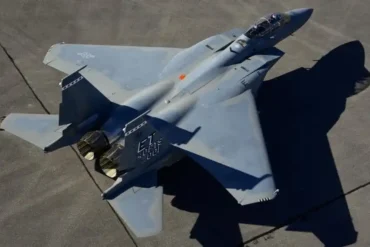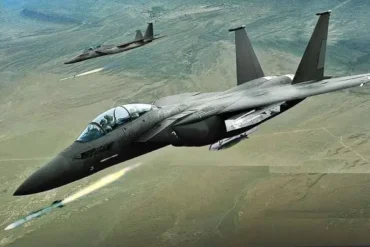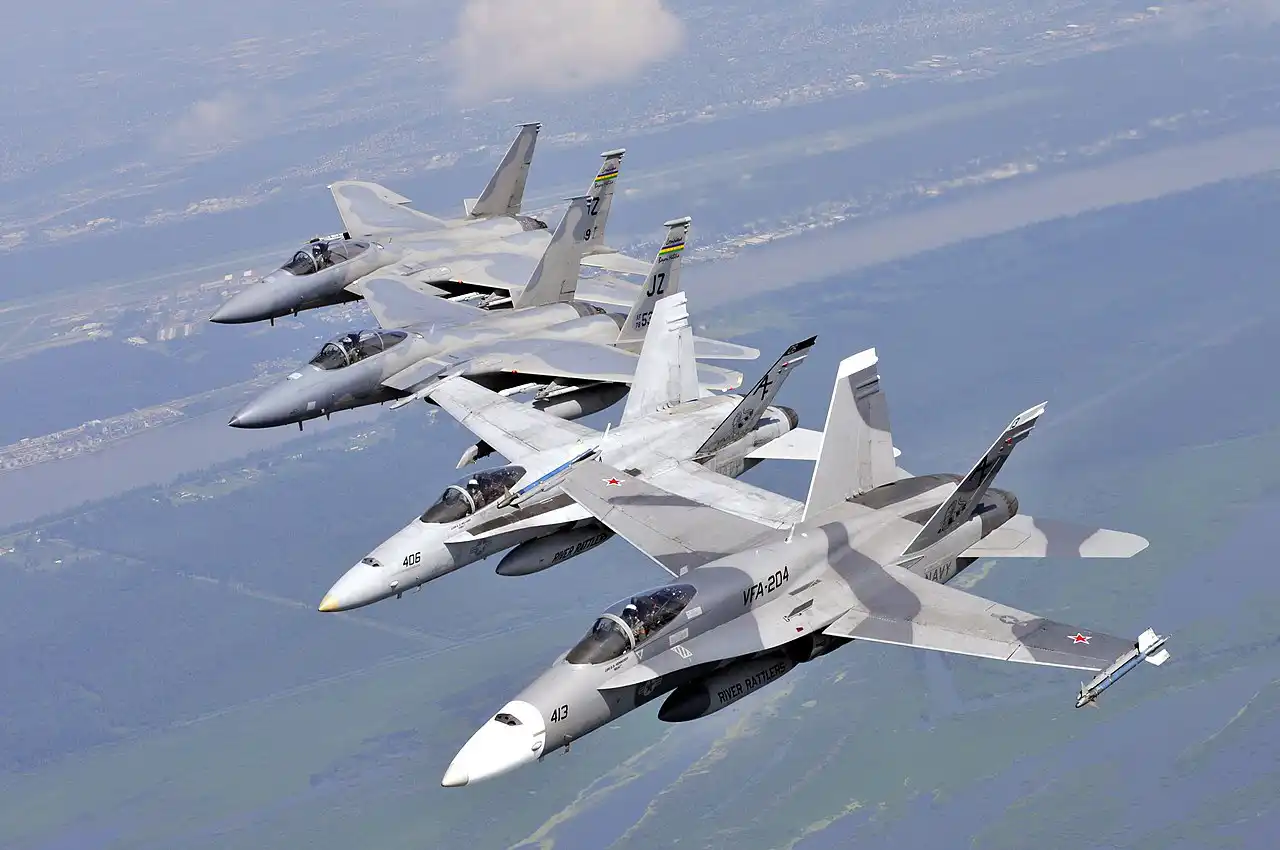
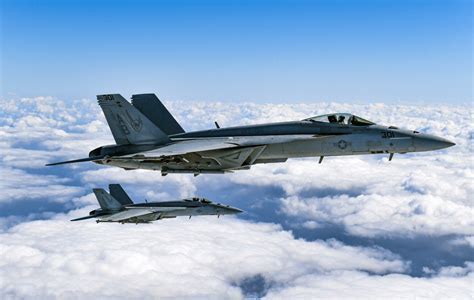
The F/A-18E/F Super Hornet is a cornerstone of U.S. Navy aviation, fulfilling crucial roles in air superiority, strike missions, and fleet defense. The Navy operates numerous Strike Fighter Squadrons (VFA) equipped with these aircraft, ensuring global readiness and operational superiority. With primary bases at Naval Air Station (NAS) Lemoore, California, and NAS Oceana, Virginia, and forward-deployed units in Japan, the Navy maintains a formidable air combat force.
Squadron Locations and Deployments
The U.S. Navy’s F/A-18E/F squadrons are strategically positioned across various locations:
Primary Bases
- NAS Lemoore, California – The largest home for Navy Super Hornets, housing multiple VFA squadrons supporting Pacific operations.
- NAS Oceana, Virginia – The primary base for Atlantic Fleet VFA squadrons, supporting carrier air wings assigned to the Atlantic theater.
Forward-Deployed Units
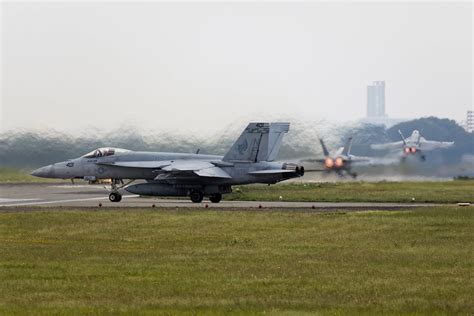
- MCAS Iwakuni, Japan – Home to squadrons like VFA-102 “Diamondbacks” and VFA-195 “Dambusters”, reinforcing U.S. presence in the Indo-Pacific.
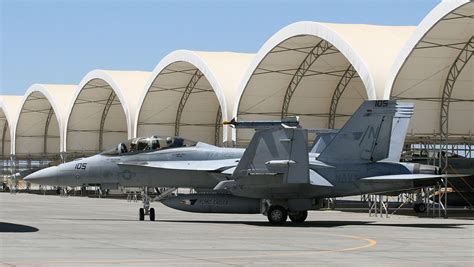
Current Operational F/A-18E/F Super Hornet Squadrons
The U.S. Navy operates over 30 active VFA squadrons, each with its own designation, nickname, and role.
| Squadron Designation | Nickname | Aircraft | Homeport/Deployment Location |
|---|---|---|---|
| VFA-2 | Bounty Hunters | F/A-18F | NAS Lemoore, CA |
| VFA-11 | Red Rippers | F/A-18F | NAS Oceana, VA |
| VFA-14 | Tophatters | F/A-18E | NAS Lemoore, CA |
| VFA-22 | Fighting Redcocks | F/A-18F | NAS Lemoore, CA |
| VFA-25 | Fist of the Fleet | F/A-18E | NAS Lemoore, CA |
| VFA-27 | Royal Maces | F/A-18E | NAS Lemoore, CA |
| VFA-31 | Tomcatters | F/A-18E | NAS Oceana, VA |
| VFA-32 | Swordsmen | F/A-18F | NAS Oceana, VA |
| VFA-34 | Blue Blasters | F/A-18E | NAS Oceana, VA |
| VFA-37 | Ragin’ Bulls | F/A-18E | NAS Oceana, VA |
| VFA-41 | Black Aces | F/A-18E | NAS Oceana, VA |
| VFA-81 | Sunliners | F/A-18E | NAS Oceana, VA |
| VFA-83 | Rampagers | F/A-18F | NAS Oceana, VA |
| VFA-86 | Sidewinders | F/A-18F | NAS Oceana, VA |
| VFA-87 | Golden Warriors | F/A-18E | NAS Oceana, VA |
| VFA-94 | Mighty Shrikes | F/A-18E | NAS Lemoore, CA |
| VFA-97 | Warhawks | F/A-18E | NAS Lemoore, CA |
| VFA-102 | Diamondbacks | F/A-18F | Forward Deployed: MCAS Iwakuni, Japan |
| VFA-103 | Jolly Rogers | F/A-18F | NAS Oceana, VA |
| VFA-105 | Gunslingers | F/A-18E | NAS Oceana, VA |
| VFA-113 | Stingers | F/A-18E | NAS Lemoore, CA |
| VFA-115 | Eagles | F/A-18E | NAS Lemoore, CA |
| VFA-131 | Wild Cats | F/A-18E | NAS Oceana, VA |
| VFA-136 | Knighthawks | F/A-18E | NAS Lemoore, CA |
| VFA-137 | Kestrels | F/A-18E | NAS Lemoore, CA |
| VFA-143 | Pukin’ Dogs | F/A-18E | NAS Oceana, VA |
| VFA-146 | Blue Diamonds | F/A-18E | NAS Lemoore, CA |
| VFA-147 | Argonauts | F/A-18E | NAS Lemoore, CA |
| VFA-151 | Vigilantes | F/A-18E | NAS Lemoore, CA |
| VFA-154 | Black Knights | F/A-18F | NAS Lemoore, CA |
| VFA-192 | Golden Dragons | F/A-18E | NAS Lemoore, CA |
| VFA-195 | Dambusters | F/A-18E | Forward Deployed: MCAS Iwakuni, Japan |
| VFA-211 | Checkmates | F/A-18E | NAS Oceana, VA |
| VFA-213 | Black Lions | F/A-18F | NAS Oceana, VA |
Fleet Replacement Squadrons (FRS)
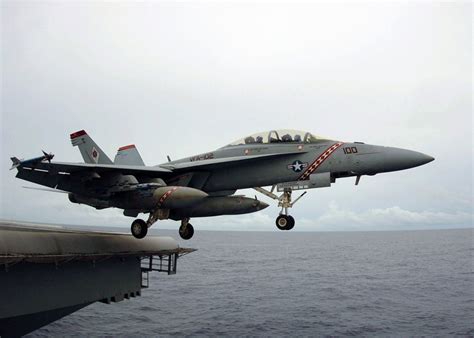
To ensure a continuous flow of highly trained pilots, the Navy operates Fleet Replacement Squadrons (FRS):
- VFA-106 “Gladiators” – NAS Oceana, VA
- VFA-122 “Flying Eagles” – NAS Lemoore, CA These units provide intensive training for new aviators, preparing them for combat operations.
Carrier Air Wing Organization
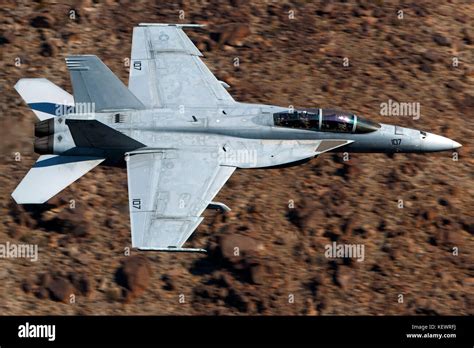
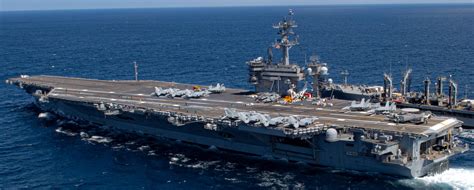
Each VFA squadron is integrated into a Carrier Air Wing (CVW), deployed aboard aircraft carriers. The tail code system helps identify their assignments:
- Pacific Fleet: CVW tail codes start with “N” (e.g., CVW-2 NE, CVW-5 NF).
- Atlantic Fleet: CVW tail codes start with “A” (e.g., CVW-1 AB, CVW-3 AC).
Strategic Importance of Forward Deployment
The presence of forward-deployed squadrons in Japan enhances the Navy’s power projection and rapid response capability in the Indo-Pacific region. Squadrons like VFA-102 and VFA-195 play critical roles in joint exercises, deterrence operations, and crisis response.
Evolution of the F/A-18 in the U.S. Navy
The F/A-18 Hornet, initially developed in the 1970s, evolved into the F/A-18E/F Super Hornet, introduced in the 1990s to replace legacy aircraft. The Navy retired the older F/A-18A-D models in 2018, marking a transition to a more advanced, combat-capable force.
Conclusion
The U.S. Navy’s F/A-18E/F Super Hornet squadrons form the backbone of its carrier air wings, ensuring global operational dominance. With strategic basing at NAS Lemoore and NAS Oceana, forward deployment in Japan, and a robust training pipeline, the Strike Fighter Squadrons (VFA) remain at the forefront of modern naval aviation.
Frequently Asked Questions (FAQ)
1. How many F/A-18E/F squadrons does the U.S. Navy operate?
The Navy operates over 30 Strike Fighter Squadrons (VFA) equipped with F/A-18E/F Super Hornets, plus Fleet Replacement Squadrons (FRS) for training new pilots.
2. Where are the main bases for F/A-18 squadrons?
The primary bases are NAS Lemoore, California, and NAS Oceana, Virginia, with additional forward-deployed squadrons at MCAS Iwakuni, Japan.
3. What is the role of forward-deployed squadrons in Japan?
Squadrons like VFA-102 “Diamondbacks” and VFA-195 “Dambusters” enhance the U.S. Navy’s regional deterrence, quick response capability, and integration with allied forces in the Pacific theater.