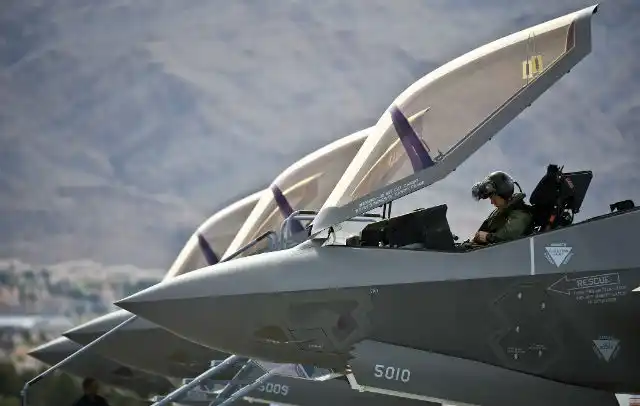
The F-35 Lightning II stands as one of the most advanced multirole fighters in modern military aviation, and at the heart of its superiority lies a component often underestimated: the canopy. Far from being a simple transparent shell, the F-35 canopy is a marvel of aerospace engineering, merging stealth optimization, digital sensor integration, pilot ergonomics, and combat survivability. It is not merely a windscreen but a vital part of the jet’s lethality, awareness, and survivability.
From its stealth-enhancing surface geometry to its seamless compatibility with the Helmet-Mounted Display System (HMDS), the canopy serves multiple roles simultaneously, positioning it as one of the most sophisticated canopy systems in aviation history.
Stealth Optimization Through Canopy Geometry and Coating
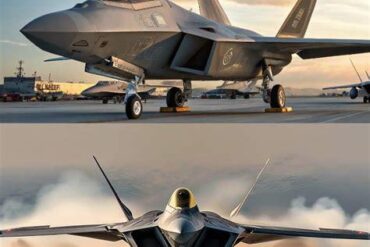
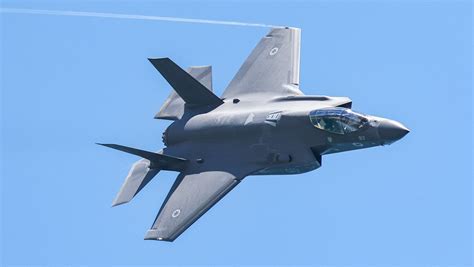
One of the most crucial aspects of the F-35 canopy is its radar cross-section (RCS) reduction. The canopy’s smooth, continuous curvature plays a critical role in diminishing radar reflections, ensuring enemy radar systems cannot easily detect or track the aircraft. Traditional fighter canopies often contain multiple facets or sharp edges, which tend to reflect radar signals. The F-35, by contrast, uses a bubble-shaped design free from corners or angles, greatly reducing reflective surfaces.
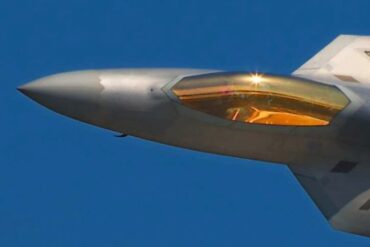
In addition, the canopy is coated with a radar-absorbent material (RAM) and features a gold film lamination, a hallmark innovation that not only serves electromagnetic shielding purposes but also assists in infrared signature suppression. The thin layer of gold provides sufficient conductivity to block radar emissions without compromising optical clarity for the pilot.
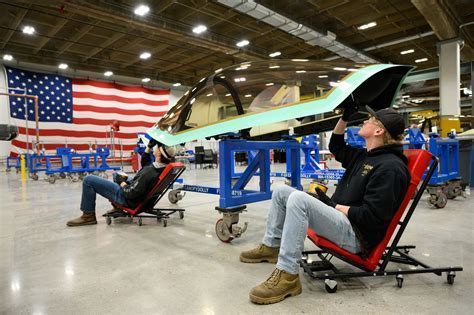
This feature makes the canopy an active contributor to the low observable (LO) capabilities of the F-35, which are critical during deep penetration strike missions where the aircraft must avoid radar detection from multiple threat vectors.
Sensor Integration and the Role of the DAS System
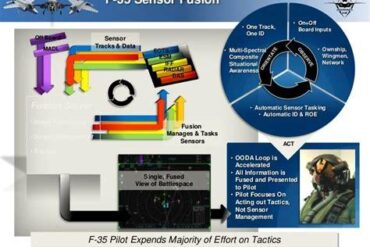
One of the most groundbreaking integrations involving the F-35 canopy is its involvement in the Distributed Aperture System (DAS). The DAS comprises six infrared cameras mounted around the aircraft, feeding real-time thermal imagery to the pilot’s Helmet-Mounted Display (HMD). These feeds include views from below and around the aircraft, giving pilots a 360-degree awareness of their surroundings without having to glance at screens or physically turn their heads.
Although the DAS sensors are mounted externally, their visual transmission through the canopy must be seamless. Any optical distortion could delay or obscure crucial visual data, making the canopy’s clarity and lens properties essential to overall performance. The canopy’s transparent polycarbonate construction, enhanced with precision lamination, ensures that light and infrared data pass through without diffusion, ensuring perfect image relay from the cameras to the helmet display.
This fusion of sensor and structural design sets the F-35 apart from legacy aircraft. The canopy is not just a physical barrier; it is a window for AI-assisted battlefield awareness.
Compatibility with Helmet-Mounted Display Systems
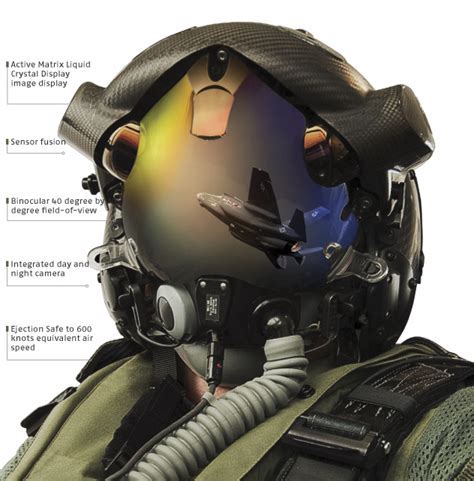
Unlike traditional fighter aircraft that rely on heads-up displays (HUDs) mounted within the cockpit canopy frame, the F-35 features a fully integrated Helmet-Mounted Display System. This helmet projects all mission-critical data—including altitude, targeting, weapons status, and navigational cues—directly onto the pilot’s visor.
The F-35 canopy must accommodate this system without interference. Therefore, its curvature, light refraction properties, and polarization levels are finely tuned to ensure uninterrupted data projection. The absence of a physical HUD not only clears up cockpit space but also reduces the number of reflective surfaces within the canopy, further improving stealth and situational responsiveness.
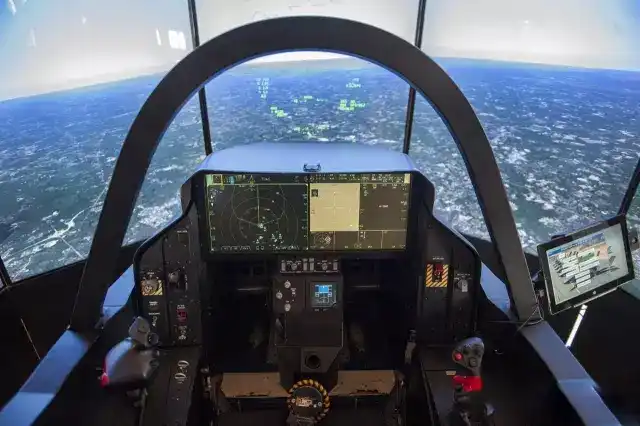
This synergy between the HMDS and canopy is a hallmark of the F-35’s human-machine interface philosophy—a key enabler in fifth-generation warfare.
Materials Engineering: Strength, Clarity, and Safety
At its core, the F-35 canopy is constructed from a polycarbonate composite laminated with gold film, combining durability, stealth, and clarity. Polycarbonate offers exceptional impact resistance—essential for bird-strike protection—while being much lighter than glass, reducing overall aircraft weight.
The lamination with gold not only provides electromagnetic shielding but also acts as a conductive layer for defrosting and de-icing in high-altitude conditions. This dual-purpose film demonstrates how multifunctional engineering underpins every inch of the F-35.
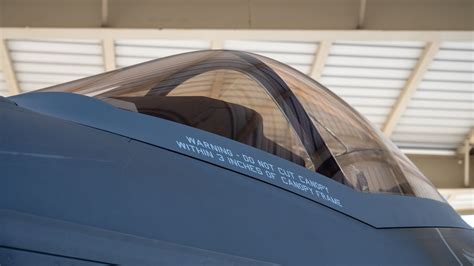
Safety features are equally robust. The canopy is designed with embedded linear cutting charges that can explosively jettison it in an emergency, enabling pilot ejection in milliseconds. Furthermore, maintenance warnings such as “Do not cut canopy within 3 inches of the frame” are inscribed to prevent accidental damage during servicing—highlighting the high-precision nature of the assembly.
This delicate balance of strength and precision supports the F-35’s requirement for both survivability and serviceability in harsh operational theaters.
Comparative Evolution from the F-22 and Beyond
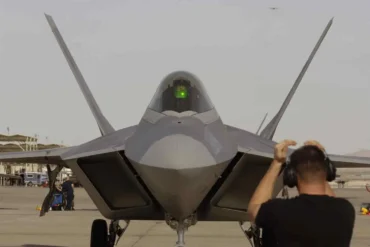
The F-35 canopy may seem similar in form to that of the F-22 Raptor, another stealth platform with a rounded, gold-tinted canopy. However, the F-35’s canopy represents a next-generation evolution in integration and functionality.
While the F-22 focuses primarily on air dominance, the F-35 is built for multi-role operations—from close air support to electronic warfare. Its canopy, therefore, is tuned for broader environmental conditions and interoperability with allied systems, including coalition targeting networks and AI-enabled mission planning tools.
Unlike the F-22, the F-35’s canopy was designed from the outset to support helmet-only displays and full-spectrum sensor fusion, eliminating legacy HUD constraints and offering pilot-augmented vision through terrain and darkness.
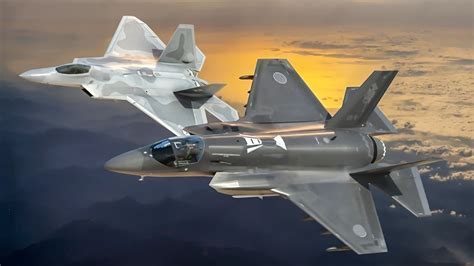
This generational leap places the F-35 canopy as a central node in a combat ecosystem, not just a component of an individual jet.
Operational Challenges and Maintenance Complexities
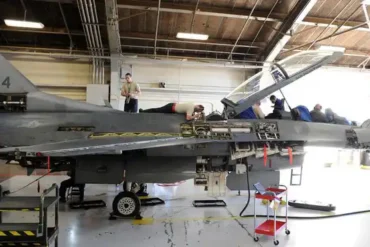
While the F-35 canopy is technologically impressive, it is not without maintenance challenges. Its advanced materials require specialized care—particularly the gold film coating, which is prone to scratching if cleaned improperly. Conventional cleaning tools or chemicals can damage the surface, necessitating strict procedural compliance for ground crews.
Furthermore, the integration of sensors and canopy tolerances introduces issues during calibration and replacement cycles. Every time the canopy is removed or replaced, it must be re-aligned and re-certified to ensure sensor harmony and aerodynamic integrity.
These factors contribute to the F-35’s high sustainment costs, which have drawn scrutiny from defense departments worldwide. Nonetheless, such precision is a natural consequence of advanced aerospace systems, especially those designed to function in contested battlespaces.

Despite these hurdles, the F-35 canopy remains unmatched in functionality, protection, and integration, reinforcing its role as a strategic enabler in the age of information-centric warfare.
Conclusion
The F-35 canopy is not an accessory but a core enabler of fifth-generation air dominance. It merges low observability, sensor synergy, pilot-centered functionality, and emergency survivability in a single form. Engineered from composite materials with precise curvature and high-end coatings, the canopy is tailored to enhance both stealth and tactical awareness.
Its compatibility with the Helmet-Mounted Display System, seamless integration with the Distributed Aperture System, and robust structural integrity make it a benchmark of combat aviation design. Even with its complex maintenance requirements, the canopy’s performance in both training and operational environments has affirmed its indispensable role in the success of the F-35 program.
FAQs
What is the F-35 canopy made of?
The F-35 canopy is made from polycarbonate laminated with a gold film layer. This combination provides strength, optical clarity, stealth properties, and electromagnetic shielding essential for advanced operations and sensor fusion.
Why does the F-35 canopy use a gold coating?
The gold coating serves multiple functions: it reduces radar signature, blocks infrared detection, and shields electronics from electromagnetic interference. It also assists in defrosting and maintains visual clarity without distorting helmet-mounted data projections.
Can the F-35 canopy be easily replaced or repaired?
While it is designed for field maintenance, the F-35 canopy requires specialized procedures. Scratches or misalignments can affect both optical performance and sensor calibration, making its maintenance more demanding compared to traditional canopies.