As the Fourth of July approaches, New York City is poised to join the ranks of popular travel destinations alongside Orlando, Denver, Boston, and Oahu. This year’s celebration promises to be one of the largest in recent memory, as millions of Americans prepare to hit the roads and skies in search of fireworks, freedom, and festive memories. The travel rush looms larger than ever, with experts predicting an unprecedented surge that could overwhelm airports, highways, and tourist hotspots.
The buzz of excitement fills the air as travelers eagerly anticipate reclaiming their holiday traditions. However, this anticipation is tempered by concerns about potential chaos. With millions planning their journeys, questions arise about whether travelers will experience smooth sailing or face delays and frustrations along the way. As New York gears up to shine as brightly as the fireworks illuminating its skyline, the other cities are also preparing for the influx of visitors eager to celebrate Independence Day.

This year, the numbers speak volumes. According to the AAA, a staggering 72.2 million Americans are expected to travel at least 50 miles from home between June 28 and July 6, 2025. This marks an increase of 1.7 million travelers compared to last year and a remarkable 7 million above pre-pandemic levels in 2019. Driving remains the preferred mode of transport, with 61.6 million people planning to embark on road trips, drawn by relatively low gas prices and the allure of flexible travel options. For many, hitting the open road symbolizes freedom and spontaneity, allowing families to choose their own routes and explore at their own pace.
However, the sheer volume of vehicles on the road is likely to come at a cost. Traffic analytics firm INRIX anticipates significant congestion, particularly on Wednesday, July 2, and Sunday, July 6. Urban centers like Chicago, Washington D.C., and San Francisco brace for slowdowns as both residents and tourists flood the streets, creating a complex dance of vehicles navigating crowded thoroughfares. The travel industry faces the challenge of balancing holiday cheer with the realities of managing large crowds, delays, and the potential for road rage under the sweltering summer sun.
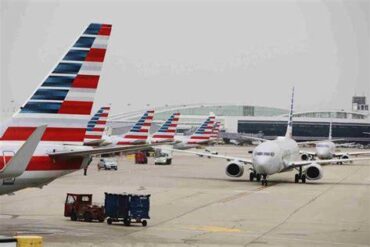
As road trips dominate the travel landscape, air travel is also reaching new heights. The AAA projects that 5.84 million Americans will take to the skies this holiday season, representing an 8% increase from last year. Airports across the nation, including Denver International Airport, which expects over 900,000 passengers during the holiday week, are gearing up for record-breaking days. The challenge lies in managing the flow of travelers while ensuring that security lines, baggage systems, and rental car fleets can accommodate the surge. Travelers are spreading out their departures across multiple days to avoid peak chaos, yet terminals remain abuzz with families, solo adventurers, and business travelers all converging under the watchful glow of flight information screens.
Despite the excitement, airlines are under immense pressure to maintain operational efficiency. Factors such as summer storms, staffing shortages, or even minor mechanical issues can create ripple effects, leading to delays and stranded passengers. As the holiday approaches, the focus remains on ensuring that travelers have a seamless experience.
Among the top destinations, Orlando, New York, Denver, Boston, and Oahu continue to shine brightly. Families flock to Orlando for its world-renowned theme parks and the spectacular fireworks displays that light up Cinderella’s Castle. Meanwhile, New York City stands ready to offer patriotic fervor, with the grand spectacle of the Macy’s fireworks dazzling spectators along the East River. Denver and Boston attract visitors with vibrant festivals and outdoor adventures, while local tourism boards across the nation prepare for increased foot traffic, with Michigan expecting a record 2.6 million residents to travel for the holiday—up 3% from last year.
In the South, Houston anticipates 1.5 million airport passengers, prompting enhancements in airport services, dining, and transportation to accommodate the anticipated rush. With such high expectations, the tourism industry faces a critical test as it gears up to meet the demands of holiday travelers.
However, the weather poses a wild card in this equation. The Atlantic hurricane season is officially underway, and the NOAA warns of a 60% chance of an above-normal season, with storms potentially targeting the Gulf Coast. These weather threats carry implications beyond just rain; they can disrupt refinery operations and fuel deliveries, causing sudden spikes in gas prices. Additionally, thunderstorms are forecasted for key corridors in the East and Midwest during the holiday week, which could halt airport operations, ground flights, and lead to flooded highways. Travelers are advised to keep a close eye on weather updates and maintain flexibility in their plans.
Fortunately, there is a silver lining for those embarking on road trips: gas prices are currently the lowest they have been since 2021, thanks to a robust oil supply flooding the global market. This relief is particularly significant for the 61.6 million Americans planning to travel by car. However, experts warn against complacency, as geopolitical tensions, notably the ongoing conflict between Israel and Iran, have begun to nudge crude oil prices higher. While this has not dramatically impacted gas prices yet, any escalation could lead to sudden increases at the pump. Additionally, hurricanes remain a constant threat, as storms impacting the Gulf Coast can disrupt refinery operations, creating shortages and price spikes that would affect travelers’ budgets.
The travel industry watches the oil markets with bated breath, recognizing that even a minor increase in gas prices could influence families’ summer plans, forcing them to shorten trips or reduce hotel stays, ultimately impacting local economies reliant on tourism.
As the travel rush for July 4th unfolds, it becomes clear that this isn’t merely a feel-good story about Americans embracing the freedom to travel. Instead, it represents a critical stress test for the tourism sector, which must scale up staff, supplies, and services to handle the influx of visitors. Rental car shortages, once a pandemic-era concern, still linger in certain markets. Theme parks and attractions brace for long lines, while cities deploy additional police, medical services, and crowd management teams to ensure safety and enjoyment for all.
Airports, too, are under intense scrutiny as delays and cancellations can spark public relations crises, with viral social media posts capable of tarnishing a brand overnight. The stakes are high; the Fourth of July often shapes perceptions of summer travel. A smooth holiday experience can bolster confidence in travel and sustain momentum through Labor Day, whereas widespread disruptions might lead travelers to consider staycations instead.
Despite the potential challenges, the mood among travelers remains defiantly optimistic. People are eager to reclaim their holiday traditions, reconnect with loved ones, and explore the breathtaking landscapes of their country. Many Americans have adapted their travel strategies, booking early, obsessively checking forecasts, and building flexibility into their plans. They are also packing patience, a crucial item for any July 4th suitcase. Communities nationwide are preparing for fireworks, parades, and festivals that promise moments of pure joy, from grand urban displays to intimate small-town celebrations.
This burgeoning travel rush for July 4th is more than just a surge in movement; it reflects a nation eager to move forward, even amid economic uncertainties, global conflicts, and unpredictable weather. Travelers will navigate packed roads, bustling terminals, and shifting skies, but they will also discover sunsets over mountain highways, city lights shimmering beneath fireworks, and the simple pleasure of the open road. For the tourism industry, the holiday serves as a vital test of resilience. How well companies and communities handle this surge will significantly influence the remainder of the summer season and may even redefine how America travels in an ever-changing world. As the countdown to July 4th begins, one truth resonates: America is ready to explore, celebrate, and embrace its collective spirit of adventure, undeterred by storms, fluctuating oil prices, or airport chaos.