Spain experienced a remarkable surge in domestic travel during the July long weekend, coinciding with the Feast of Saint James on July 25. This annual celebration spurred an increase in local tourism, as Spanish residents eagerly sought to explore their own country’s stunning landscapes and cultural treasures. Major cities like Madrid, Galicia, and the Basque Country served as both key departure points and vibrant destinations throughout this busy travel period. Data from a well-known online booking platform reveals a clear preference among travelers for two main types of destinations: sunny beachfront getaways and bustling urban centers. This trend underscores a desire for a balanced vacation that merges relaxation by the sea with the thrill of cultural exploration.
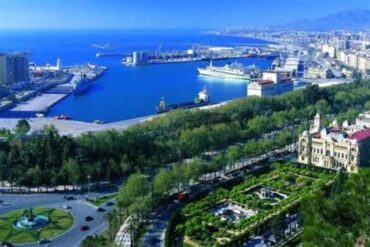
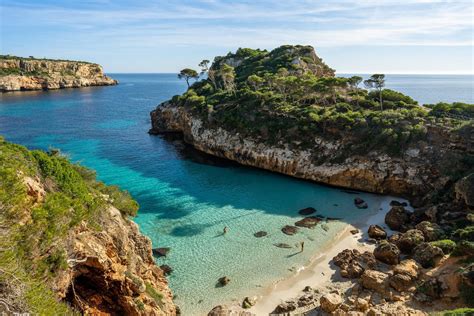
As summer heat peaked, Spanish travelers flocked to coastal destinations known for their warm climates and beautiful coastlines. Among the most popular spots this year were Palma de Mallorca, Tenerife, Ibiza, Málaga, Menorca, Alicante, and Gran Canaria. These locations have long been favorites, offering a delightful mix of natural beauty, outdoor activities, and leisure opportunities. The surge in bookings for these beach vacations highlights the ongoing allure of sun-soaked escapes, particularly in the Balearic Islands and Canary Islands, which are synonymous with the quintessential Spanish summer experience. Travelers from Madrid and northern regions of Spain are especially drawn to these islands, making them top choices for summer holidays.
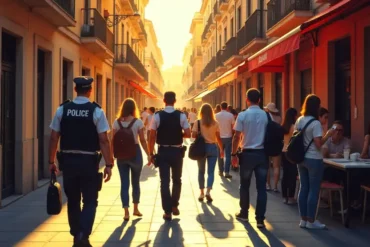
While coastal retreats attracted many, major urban centers such as Madrid, Barcelona, Valencia, and Sevilla remained high on the list for those seeking cultural experiences. These vibrant cities offer a rich tapestry of history, art, architecture, and culinary delights that entice travelers year-round. Short city breaks enable visitors to delve into Spain’s diverse culture without straying far from home. This burgeoning interest in urban getaways reflects a broader shift towards short-form travel, with more individuals opting for quick yet meaningful escapes that highlight the unique offerings of each city. Whether it’s wandering through historic neighborhoods in Sevilla, savoring world-class cuisine in Barcelona, or immersing oneself in art and architecture in Madrid, these cities provide diverse experiences catering to every traveler’s interests.
The Feast of Saint James significantly impacted travel patterns, particularly in Santiago de Compostela, the heart of Galicia. This historic city saw a substantial influx of visitors from across Spain and beyond, drawn by the festival’s cultural and spiritual significance. Santiago de Compostela attracts pilgrims and tourists alike, creating a festive atmosphere ripe for cultural enrichment. Travelers from countries such as Germany, the United Kingdom, and France also flocked to Galicia during this time, eager to participate in the celebrations and soak in the region’s unique charm. In addition to Santiago de Compostela, other cities like La Coruña, Vigo, Madrid, and Bilbao experienced increased travel activity, further solidifying Galicia’s reputation as a cultural hub.
According to recent booking data, the top domestic destinations favored by travelers during this period included:
- Palma de Mallorca
- Tenerife
- Ibiza
- Málaga
- Madrid
- Barcelona
Conversely, international destinations that attracted Spanish travelers included:
- Paris
- London
- Lisbon
- Rome
This dual focus on both beach destinations and cultural cities emphasizes the diverse preferences of Spanish travelers. While local beach holidays maintain dominance, the enduring allure of European city breaks remains evident, with iconic cities like Paris and London drawing significant numbers of Spanish visitors seeking fresh experiences abroad.
One intriguing observation from the travel data is the blend of booking habits among travelers. Some individuals were highly organized, securing trips well in advance, while others embraced the spontaneity of last-minute bookings. Notably, 46% of travelers heading to Vigo and 39% traveling to La Coruña booked their trips within just one month before departure. In contrast, about 25% of visitors to Bilbao and Santiago de Compostela had their plans set more than two months ahead. This variation in booking behaviors highlights a broader trend in travel planning: flexibility is becoming a crucial factor in many people’s vacation decisions. With online booking platforms offering dynamic travel packages and real-time availability, travelers enjoy the freedom to make decisions on the fly without sacrificing quality.
The rise in domestic travel during peak summer periods, such as July, is having a profound impact on Spain’s overall travel industry. The popularity of flexible travel options is growing, with travelers taking advantage of dynamic pricing and last-minute deals to plan holidays with minimal lead time. This trend is prompting the travel industry to adapt to a more agile market, providing real-time booking options and packages that cater to both pre-planners and those who prefer spontaneous decisions.
As demand for local travel and urban experiences rises, the future of Spanish tourism appears increasingly shaped by these evolving preferences. Travelers are seeking balance—some gravitating towards the relaxation of a beach holiday, while others are eager to immerse themselves in the cultural richness of Spain’s historic cities. Moreover, as Spanish travel habits continue to evolve, the significance of short-term domestic travel is expected to grow, particularly as travelers increasingly value quick getaways that do not require extensive planning or long flights.
Even amid global uncertainties and shifting travel trends, the desire to explore one’s own country remains a powerful force in Spain’s tourism landscape. Ultimately, the rise of local tourism, especially during major holiday periods, signals a shift in how people approach their vacations. This trend, which blends spontaneity with pre-planning, is likely to influence the tourism industry for years to come, driving demand for both last-minute escapes and culturally enriching experiences within Spain’s borders. The future of Spain’s tourism looks bright, with coastal retreats and urban getaways playing pivotal roles in sustaining the growth and adaptability of the industry in an increasingly dynamic market.