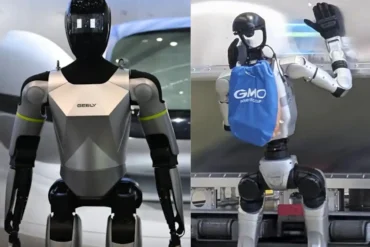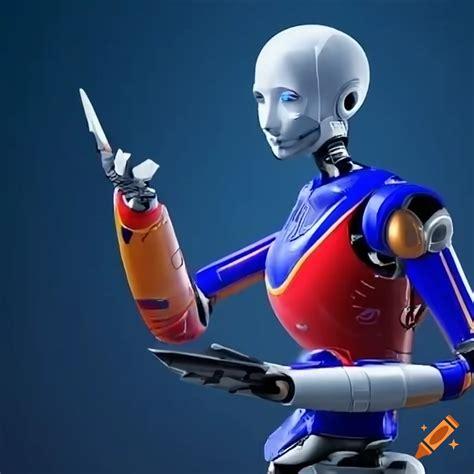
A humanoid robot named Stewie managed to do something almost no robot has done before: board a commercial passenger flight as a ticketed traveler. Just two days later, Southwest Airlines updated its policies and effectively banned robots from its aircraft, citing lithium-ion battery safety concerns and operational risks.
The unusual incident unfolded on a Southwest Airlines flight from Harry Reid International Airport in Las Vegas to Dallas Love Field. The robot’s owner, entrepreneur Aaron Mehdizadeh, purchased an additional seat for the humanoid device using the airline’s existing policy that allows fragile items such as musical instruments or delicate personal belongings to occupy cabin seats.
What started as a viral aviation curiosity quickly evolved into a serious airline safety discussion.
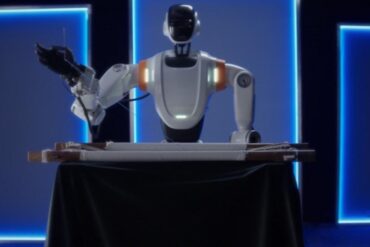
Stewie, a 3.5-foot humanoid robot rented through Mehdizadeh’s company, The Robot Studio, passed Transportation Security Administration screening after being equipped with a reduced-capacity battery system. Once cleared, the robot reportedly walked through the airport terminal independently and drew crowds of curious passengers before boarding the flight to Texas.
The sight of a humanoid machine sitting beside regular travelers immediately became social media material.
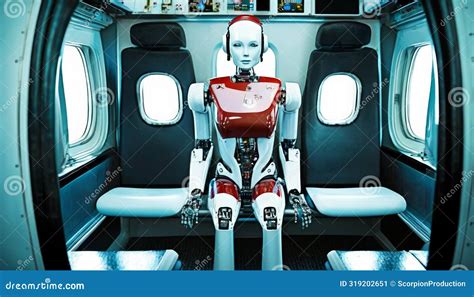
Passengers onboard reportedly interacted with the robot throughout the journey, while flight attendants fielded questions about how the device had been permitted on the aircraft. According to reports, Stewie communicated through pre-programmed speech responses and even maneuvered itself toward its assigned window seat.
The event may have appeared harmless and entertaining to travelers, but aviation safety experts viewed the situation differently. Airlines operate under extremely strict rules regarding lithium-ion batteries, especially after multiple incidents involving thermal runaway fires onboard aircraft around the world.
Southwest Airlines Updates Its Battery And Robot Policies
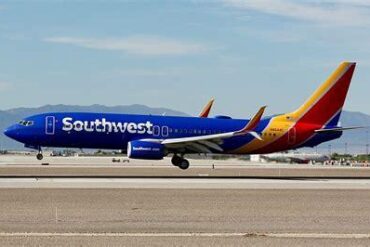
Soon after the flight gained widespread attention online, Southwest Airlines clarified its baggage policies to explicitly address robotic devices. The airline confirmed that humanoid or animal-like robots would no longer be accepted either inside the passenger cabin or as checked baggage.
A Southwest spokesperson explained the decision directly, stating that the airline updated its policies “to ensure compliance with guidelines for traveling safely with lithium-ion batteries.”
The wording of the new restriction makes clear that the issue was not simply the robot’s appearance or novelty factor. The central concern involves the batteries powering advanced robotic systems.
Lithium-ion batteries are already among the most heavily regulated items in commercial aviation. Devices such as laptops, smartphones, vapes, cameras, and power banks all fall under strict transport limitations because damaged batteries can ignite with little warning.
For airlines, humanoid robots introduce additional uncertainties. Unlike standard electronics, robots contain motors, moving joints, internal wiring systems, sensors, and often multiple battery packs. These components can create elevated risks during turbulence, emergency evacuations, or cabin fires.
The Growing Safety Concerns Around Lithium-Ion Batteries
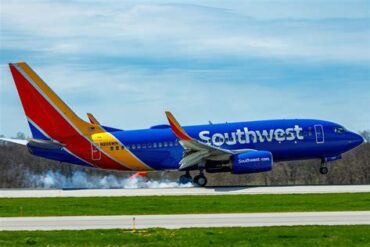
Thermal runaway remains one of aviation’s biggest onboard fire concerns. Once a lithium-ion battery overheats, the reaction can rapidly spread to nearby battery cells, producing intense heat and toxic smoke that is difficult to extinguish even with specialized firefighting equipment.
Commercial aircraft crews train specifically for battery fire scenarios because incidents can escalate within minutes.
The Federal Aviation Administration and international regulators have repeatedly warned airlines about battery-related hazards in recent years. Fires involving e-cigarettes, portable chargers, and damaged electronic devices have forced emergency landings on numerous occasions.
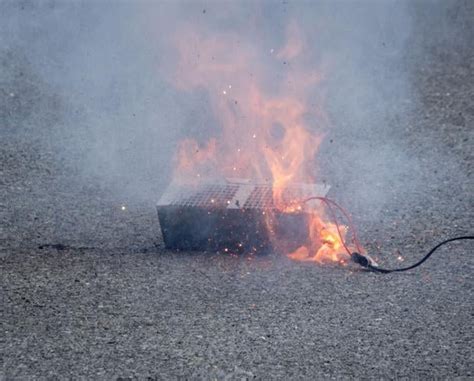
Southwest’s new restrictions appear connected not only to Stewie’s successful flight but also to another robot-related incident involving a machine called Behop. According to reports, that earlier event caused a Southwest flight delay of approximately one hour because concerns emerged regarding battery size and potential fire risks.
That delay likely reinforced internal discussions already taking place within the airline regarding robotic devices.
From an operational standpoint, airlines must evaluate worst-case scenarios. A humanoid robot malfunctioning onboard could potentially obstruct aisles, interfere with evacuations, or complicate emergency procedures. Even if the risk remains low, commercial carriers typically prefer preventive policy changes over reactive responses after an accident occurs.
Robots In Airports Are Expanding Worldwide
Ironically, Southwest’s robot ban comes at a time when airports and airlines globally are investing heavily in robotic technologies.
Japan Airlines recently launched trials involving humanoid robots at Tokyo airports to assist with labor shortages and improve ground handling efficiency. Similar robotics programs are appearing in airports across Asia, Europe, and North America, where automated machines are increasingly handling cleaning, customer service, baggage transport, and security support.
The contradiction highlights an important distinction within aviation: robots may be welcome on the ground, but carrying them inside passenger cabins introduces an entirely different regulatory challenge.
Humanoid robots are becoming more advanced, more mobile, and increasingly human-like in behavior. That technological progress creates fascinating opportunities for transportation companies, but it also forces regulators and airlines to confront safety questions that barely existed a decade ago.
Stewie’s Viral Flight May Influence Future Aviation Rules
Mehdizadeh has publicly disagreed with Southwest’s decision, arguing that Stewie’s battery system resembled the same type of battery found inside common laptops. The robot itself even delivered a joking response after the ban, claiming its “dreams got clipped faster than a bad haircut.”
Despite the humor surrounding the incident, the event could become an early case study for future aviation regulation involving robotics and artificial intelligence devices.
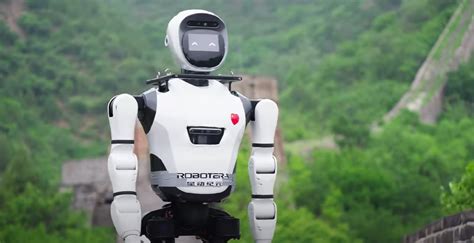
As humanoid technology becomes more accessible, airlines may soon face broader questions involving autonomous machines traveling with passengers, interacting with crews, or operating independently inside terminals. Current aviation policies were designed primarily around traditional consumer electronics, not mobile AI-powered robots capable of movement and interaction.
For now, Southwest Airlines has drawn a firm line. The carrier that briefly became home to one of aviation’s strangest passengers has decided that humanoid robots will stay grounded — at least on its flights.