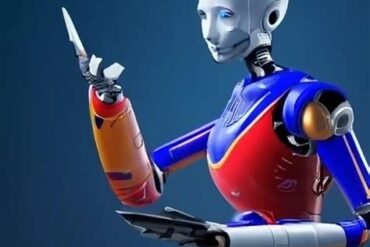
Japan Airlines is stepping into a new era of aviation by deploying humanoid robots at major Tokyo airports, marking a bold experiment in how technology can reshape the daily rhythm of air travel. This initiative is not a distant concept or speculative prototype—it is a real-world trial unfolding at Tokyo Haneda Airport, one of the busiest aviation hubs in Asia. With pressure mounting from labor shortages and increasing passenger demand, the airline is testing whether robotics can move from novelty to necessity.
The trial reflects a strategic pivot toward automation-driven efficiency, where machines are not replacing humans outright but reinforcing their capabilities. Unlike traditional airport automation systems that rely on fixed infrastructure, these humanoid robots are designed to operate in environments built for people. That distinction is crucial. It allows seamless integration into existing workflows without costly redesigns, making the technology immediately relevant rather than theoretically promising.
What makes this development particularly compelling is its timing. Japan has long been recognized as a global leader in robotics, yet airports—complex ecosystems governed by safety, speed, and precision—have remained largely human-driven behind the scenes. This trial signals a shift where even the most labor-intensive aviation tasks are now open to robotic augmentation, challenging assumptions about the limits of automation.
How Humanoid Robots Are Redefining Airport Ground Handling
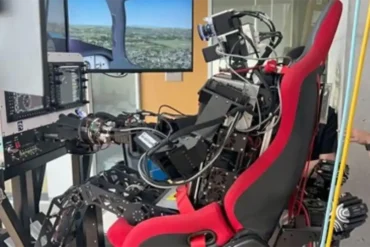
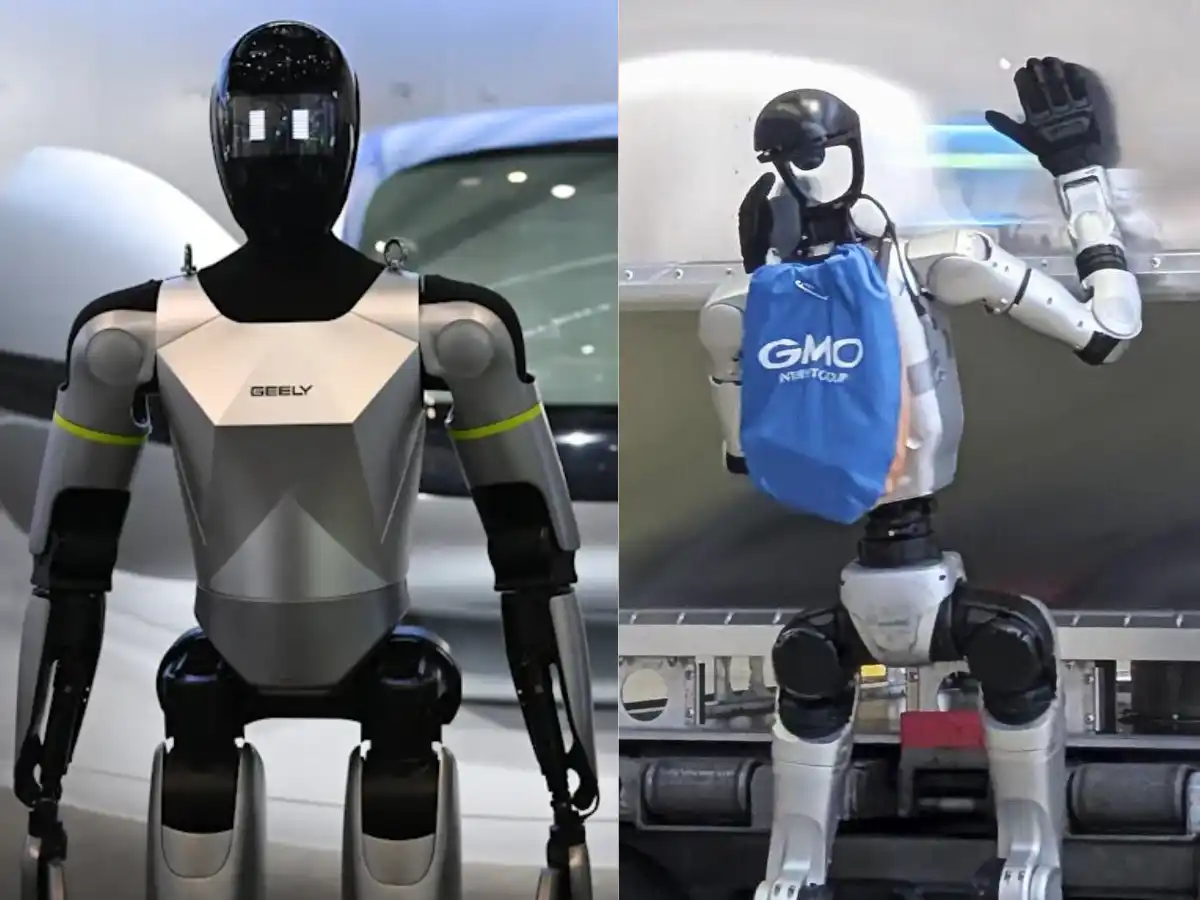
At the heart of this initiative lies a clear objective: reduce the physical burden on human workers while maintaining operational reliability. The robots being tested are capable of loading and unloading cargo containers, transporting heavy equipment, and assisting in physically demanding tasks that traditionally require significant manpower. Controlled remotely by human operators, these machines mirror human movements with impressive precision, allowing them to function as extensions of the workforce rather than independent agents.
This human-in-the-loop design is not accidental. It ensures that safety-critical decisions remain under human control, a non-negotiable requirement in aviation. At the same time, it enables the robots to perform repetitive or strenuous tasks with consistent accuracy, reducing fatigue-related risks and improving overall efficiency. Early demonstrations suggest that these robots can handle heavy loads with stability, offering a glimpse into a future where physical strain is no longer a defining feature of ground operations.
The collaboration with GMO AI & Robotics adds another layer of sophistication to the project. By combining advanced sensors, real-time motion tracking, and responsive control systems, the robots can adapt to dynamic airport environments. This adaptability is essential in a setting where timing is everything and delays can cascade across entire networks.
The Labor Shortage Crisis Driving Aviation Automation
Behind the technological ambition lies a pressing economic reality. Japan is facing a significant labor shortage, particularly in sectors like aviation and logistics where demand continues to surge. With inbound tourism rebounding and flight volumes increasing, airlines are under pressure to maintain service levels without a proportional increase in workforce availability.
Japan Airlines employs thousands of ground staff, yet even this sizable workforce is not immune to demographic challenges. An aging population and declining birth rates have created a gap that traditional hiring cannot easily fill. In this context, humanoid robots are not a futuristic indulgence—they are a practical response to a structural problem.
Automation also offers a way to make these roles more sustainable. By offloading physically demanding tasks to machines, airlines can improve working conditions, potentially attracting a broader range of employees. This shift could redefine what it means to work in airport operations, turning roles that once required intense physical effort into positions focused on supervision, coordination, and technical oversight.
Why Humanoid Design Matters in Complex Airport Environments
Not all robots are created equal, and the choice of a humanoid form is deliberate. Airports are intricate environments filled with narrow pathways, standardized equipment, and unpredictable variables. Traditional automation systems often require dedicated infrastructure, limiting their flexibility and scalability. Humanoid robots, by contrast, can navigate these spaces using the same physical logic as human workers.
This design advantage becomes especially important in older airports where redesigning layouts is impractical or prohibitively expensive. A humanoid robot can operate existing machinery, move through standard doorways, and interact with tools designed for human hands. That compatibility significantly lowers the barrier to adoption and accelerates the path from trial to implementation.
However, the complexity of airport operations introduces challenges that extend beyond mechanics. Coordinating robots with human teams requires precise communication protocols, robust safety systems, and real-time adaptability. Even minor disruptions can have outsized consequences in aviation, making reliability a critical benchmark for success.
Public Perception and Trust in Airport Robotics
Technology adoption is not just a technical question—it is a human one. Passengers and airport staff alike will need to develop confidence in these machines before they become a common sight. While some travelers may view humanoid robots as a symbol of progress, others may approach them with skepticism, particularly in environments where safety is paramount.
Building trust will depend on consistent performance, transparent communication, and visible human oversight. The current model, which keeps humans firmly in control, is likely to play a key role in easing concerns. Over time, as familiarity grows and reliability is proven, the presence of robots may shift from curiosity to expectation.
What This Means for the Future of Air Travel
The implications of this trial extend far beyond Tokyo. If successful, Japan Airlines could set a precedent for airports worldwide, particularly in regions facing similar labor constraints. The potential applications are vast, ranging from aircraft cleaning and maintenance support to passenger assistance and security operations.
As the technology evolves, future iterations may incorporate greater autonomy, enhanced artificial intelligence, and improved human-robot interaction. This progression could lead to semi-autonomous airport ecosystems, where machines handle routine tasks while humans focus on decision-making and customer experience.
Ultimately, the introduction of humanoid robots at Tokyo airports is more than a technological experiment—it is a signal of where the aviation industry is headed. Efficiency, adaptability, and resilience are becoming defining priorities, and robotics offers a powerful tool to achieve them. The question is no longer whether automation will play a role in airports, but how quickly it will become indispensable.