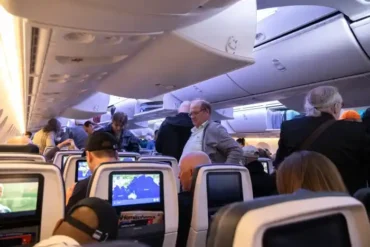
Modern air travel was once synonymous with elegance, anticipation, and a sense of occasion. Flying meant dressing well, being served full meals on real plates, and enjoying a level of personal space that made the journey itself part of the destination. Today, that image feels almost fictional. For millions of passengers, air travel has shifted from an exciting experience to a necessary endurance test—one marked by stress, discomfort, and an overwhelming sense that the system is stretched to its limits.
Flyers are not imagining it. The collective frustration surrounding air travel has been building for years, and it now spills over into social media feeds, airport terminals, and post-flight conversations. The reasons are layered and interconnected, spanning everything from security bottlenecks and outdated infrastructure to shrinking personal space inside aircraft cabins. While flying remains statistically the safest mode of transportation, the experience surrounding it has become increasingly hostile to comfort and peace of mind.
What makes this shift so jarring is the lack of alternatives. For long-haul journeys, aviation is the only practical option. In many regions, even short-to-medium distances demand a flight rather than a train or car. Passengers are locked into the system, often for hours at a time, with no viable escape from its shortcomings. That reality amplifies every inconvenience, making even small frustrations feel unbearable when multiplied over long journeys.
The United States, in particular, has earned a reputation as one of the most stressful countries in which to fly. From security queues to flight delays, the friction points stack up quickly. Understanding why flyers are reaching a breaking point requires a closer look at where modern air travel falters—and how it compares to the past.
The Ground Experience Is Now the Most Stressful Part of Flying
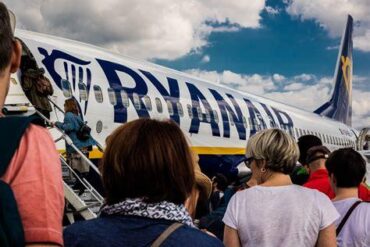
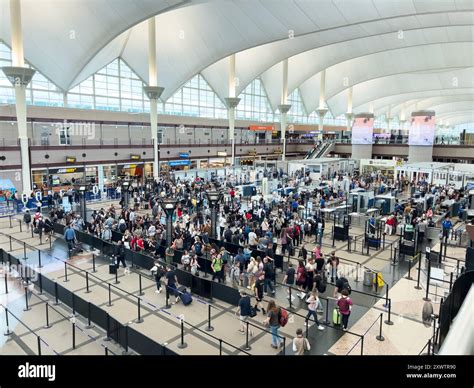
Air travel stress often begins long before boarding. Passengers are routinely advised to arrive at airports two to three hours early, not because flights are boarding sooner, but because navigating the airport itself has become unpredictable. Security checkpoints, baggage drop-offs, and gate changes introduce layers of anxiety that can derail even the most carefully planned itinerary.
In the United States, the Transportation Security Administration has become a focal point of traveler frustration. Created in the aftermath of the September 11 attacks, the TSA unified airport security under a single federal agency. While its mission was safety, the execution has often been marred by long lines, inconsistent procedures, and staffing shortages that ripple across entire terminals.
Despite the introduction of TSA PreCheck and CLEAR, the promised efficiency gains have eroded as enrollment surged. What once felt like a fast-track privilege now often resembles a slightly shorter version of the same wait. Although 2025 brought welcome changes—such as ending the requirement to remove shoes and expanding family-friendly screening lanes—the overall experience remains tense and time-consuming.
For international travelers, the stress compounds upon arrival. U.S. customs and border control lines at major hubs can exceed an hour during peak periods, especially after long-haul flights from Europe or Asia. The physical exhaustion of crossing multiple time zones collides with the mental strain of waiting in crowded halls. Programs like Global Entry, which includes TSA PreCheck, offer relief, but access requires time, money, and advance planning—resources not all travelers can spare.
Flight Delays and Airspace Congestion Are Becoming the Norm
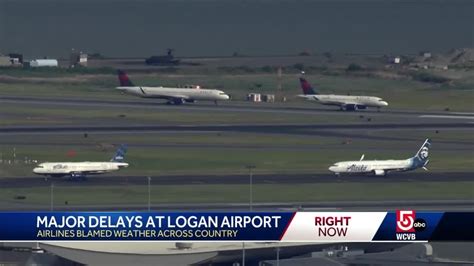
Once past security, passengers often assume the hardest part is over. In reality, delays and congestion can undo any sense of progress. The U.S. air traffic control system is under immense strain, plagued by chronic understaffing and aging infrastructure. Controllers at major airports frequently work six-day weeks with mandatory overtime, creating a fragile environment where even minor disruptions can cascade into widespread delays.
This vulnerability was starkly exposed during the government shutdown of fall 2025. As paychecks stalled, air traffic controllers began calling out, forcing airports to reduce capacity. The result was mass flight disruptions, missed connections, and thousands of stranded passengers—an illustration of how little margin for error exists in the system.
Airport infrastructure adds another layer of friction. Many terminals and apron layouts were designed decades ago, long before today’s passenger volumes. Taxi times have increased as aircraft queue for limited runway access, while terminal corridors struggle to handle peak-hour crowds. Every additional minute spent waiting on the ground chips away at traveler patience.
There is progress, but it arrives slowly. Across the country, new terminal buildings are opening at both regional airports like Myrtle Beach and major hubs such as Newark, Portland, and LaGuardia. These modern facilities emphasize spacious layouts, improved gate availability, and better passenger flow, all designed to reduce congestion. While these upgrades offer hope, they cannot yet keep pace with demand.
Inside the Cabin: The Shrinking Reality of Personal Space
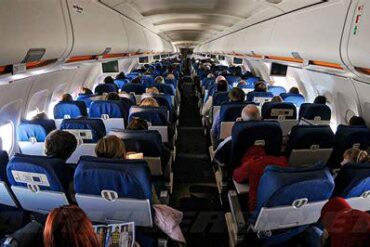
For many flyers, the moment they step onto the aircraft marks the true test of endurance. The evolution of economy class tells a clear story of diminishing comfort. During the early Jet Age, economy seat pitch commonly ranged from 35 to 38 inches, offering generous legroom by today’s standards. Following the Airline Deregulation Act of 1978, competitive pressures pushed airlines to maximize capacity, gradually reducing personal space.
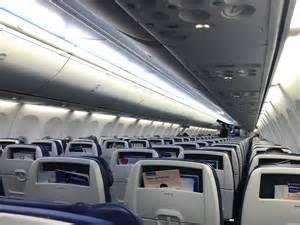
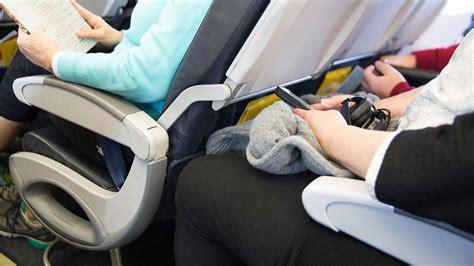
Today, standard economy seat pitch hovers between 30 and 32 inches, with some low-cost carriers compressing it to as little as 28 inches. While seat width has technically remained similar—typically 17 to 18 inches—the practical experience feels tighter. Armrests have narrowed, aisles have shrunk, and shoulder-to-shoulder contact is increasingly unavoidable.
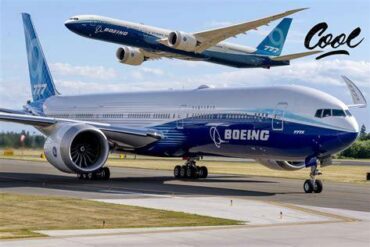
Widebody aircraft configurations illustrate this shift. Aircraft like the Boeing 777 and 787 were initially designed for fewer seats across, but airlines now favor higher-density layouts. The result is a cabin that feels more crowded, louder, and more claustrophobic—especially on long-haul flights.
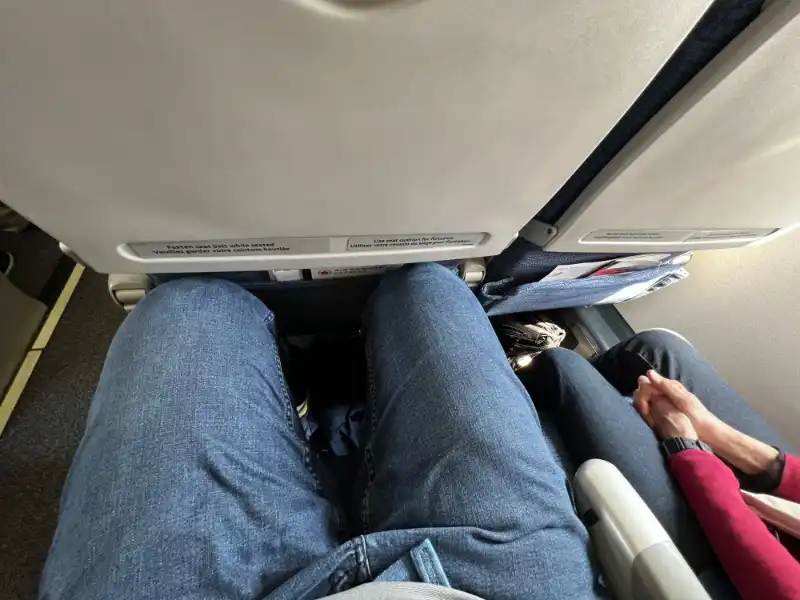
The issue is compounded by demographic changes. The average passenger today is physically larger than in the 1960s and 1970s, yet seating dimensions have moved in the opposite direction. This mismatch increases discomfort and the likelihood of passengers encroaching on each other’s space. Window-seat travelers often feel this most acutely, pressed against the aircraft sidewall with limited room to shift or stretch.
The Psychological Toll of Long-Haul Confinement
Physical discomfort is only part of the equation. Long-haul flights amplify stress through extended confinement, disrupted sleep cycles, and limited mobility. Hours spent seated in a compressed posture can lead to fatigue, irritability, and a sense of helplessness. When combined with delays, turbulence, or service disruptions, these factors erode patience quickly.
Modern cabins attempt to offset this with entertainment systems and connectivity. Seatback screens, adjustable headrests, and onboard Wi-Fi are now standard on many airlines. While these features provide distraction, they do little to address the underlying issue of space. Thinner seat designs reclaim marginal knee room, but they often sacrifice cushioning, creating new comfort trade-offs.
Why Economy Class Feels Worse—Yet Costs Less Than Ever
It may seem counterintuitive, but the decline in comfort coincides with a dramatic drop in real airfare prices. Adjusted for inflation, economy tickets today cost a fraction of what passengers paid decades ago. In the 1960s and 1970s, flying was a luxury reserved for a smaller segment of the population. Ticket prices mirrored what modern travelers now associate with premium cabins.
The transformation of economy class reflects a fundamental shift in purpose. What was once a premium experience has become a mass-market product, optimized for affordability and accessibility. Advances in aircraft efficiency, deregulation, and aggressive airline competition opened the skies to millions who previously could not afford to fly.
This accessibility comes with trade-offs. Comfort has been sacrificed to lower fares, but passengers now enjoy features that were unimaginable decades ago: personal entertainment screens, USB charging ports, and continuous connectivity. Economy class today is less about indulgence and more about efficiency—moving people quickly and cheaply from one point to another.
The Rise of Paid Comfort and the “Race to the Bottom”
One of the most contentious developments in modern aviation is the monetization of comfort. Airlines increasingly charge extra for features that were once standard, such as seat selection or additional legroom. “Extra legroom” economy seats offer a few additional inches of pitch, often at a significant premium, blurring the line between standard and upgraded products.
For taller passengers, these seats can be worth the cost, but their existence underscores a broader trend. Comfort has become modular, available only to those willing or able to pay more. This stratification reinforces the perception of a “race to the bottom,” where the base product is intentionally constrained to upsell incremental improvements.
Premium Cabins: Where Air Travel Still Feels Luxurious
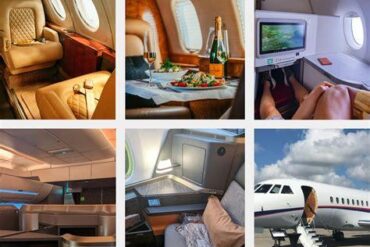
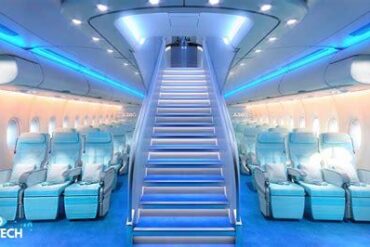
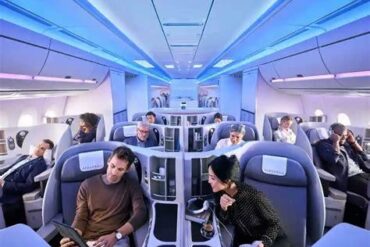
While economy class absorbs most of the discomfort, premium cabins tell a very different story. Business and first class have evolved into spaces of remarkable sophistication. Lie-flat seats are now standard on long-haul business routes, often paired with direct aisle access, large high-definition screens, and privacy-enhancing designs.
Some airlines have introduced suite-style seating with sliding doors, creating a cocoon-like environment that rivals luxury hotels. Enhanced catering, curated wine lists, and exclusive lounge access further elevate the experience. Modern first class builds on these features with more space, higher walls, and personalized service that far exceeds anything offered in past decades.
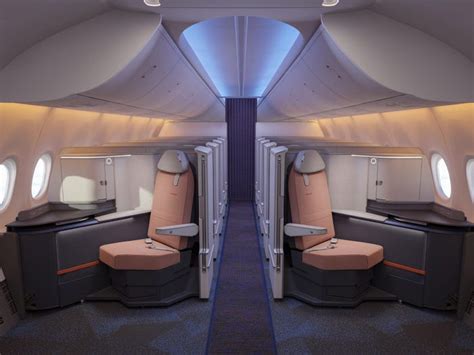
The contrast between economy and premium cabins has never been sharper. Where once passengers chose between two broadly similar experiences, today’s travelers navigate a spectrum of options, each priced according to comfort and exclusivity.
Choice, Trade-Offs, and the Future of Flying
Modern air travel is defined by choice—but also by compromise. Passengers can fly cheaply and endure discomfort, or pay more for space and serenity. This flexibility has democratized air travel while simultaneously intensifying dissatisfaction among those confined to the lowest tiers.
The question is not whether flying has become unbearable for everyone, but for whom it has become unbearable. For occasional travelers prioritizing cost, the trade-off may feel acceptable. For frequent flyers, families, and long-haul passengers, the cumulative strain can feel overwhelming.
Airlines and airports are slowly adapting, investing in infrastructure, technology, and cabin innovation. Yet as demand continues to rise, the system remains under pressure. Until capacity, staffing, and comfort evolve together, flyers will continue to feel that air travel—while essential—has lost much of its humanity.
What remains undeniable is this: air travel has never been more accessible, more technologically advanced, or more polarizing. Between bargain fares and premium indulgence lies an economy experience that reflects the realities of modern aviation—efficient, crowded, and increasingly difficult to endure.