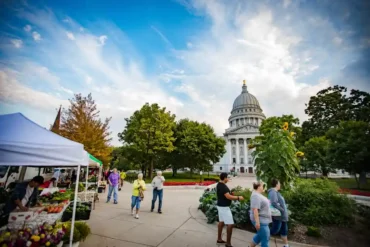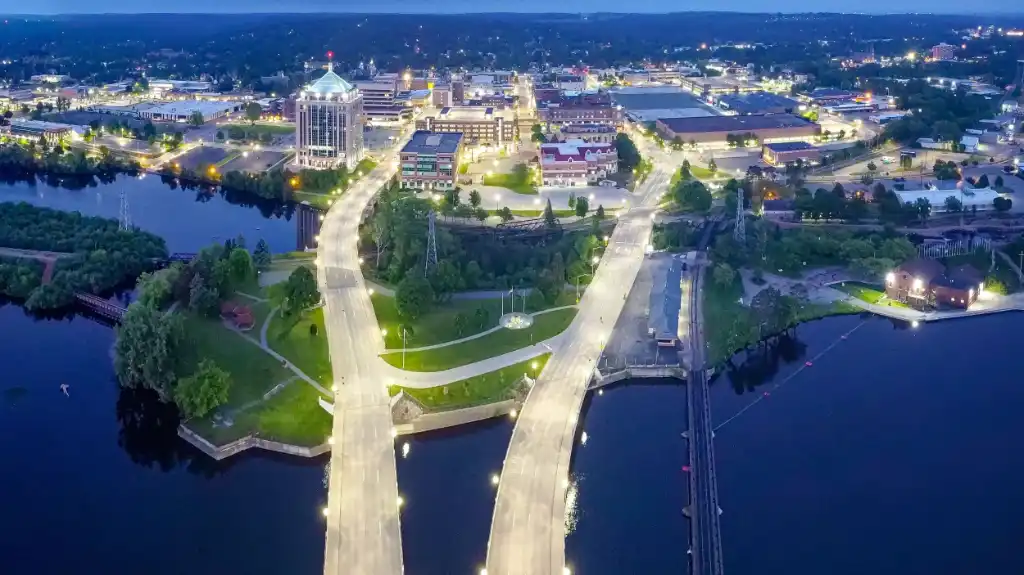
Wisconsin’s tourism industry has undergone a remarkable transformation, catapulting the Badger State into the league of America’s tourism powerhouses. Joining the ranks of California, Florida, New York, Texas, Nevada, Hawaii, and Illinois, Wisconsin is no longer a quiet Midwestern retreat — it is a bold player in a national tourism surge that is reshaping the U.S. travel map.
The latest report, released in June 2025, unveils record-shattering numbers that have stunned industry analysts and delighted local businesses. With 114.4 million visits in 2024 and a staggering $25.8 billion in economic impact, Wisconsin has defied expectations and rewritten its tourism narrative. This momentum marks a historic high for the state, surpassing pre-pandemic levels and cementing its position as a magnet for travelers.
Smart Investments and Authentic Experiences Drive Wisconsin’s Success
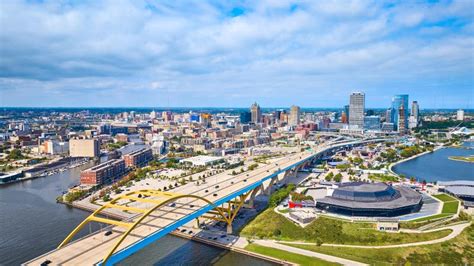
Wisconsin’s tourism triumph is no accident. The state’s leadership made a calculated $34 million investment in tourism promotion, focusing on innovative marketing strategies and expansive outreach to domestic and international travelers. These initiatives showcased Wisconsin’s diverse attractions — from the urban vibrancy of Milwaukee and Madison to the serenity of Door County’s shoreline and Adams County’s pristine lakes.
This surge is rooted in authenticity and local pride. Visitors are drawn to experiences that celebrate Wisconsin’s identity — its rich cultural festivals, farm-to-table cuisine, historic landmarks, and welcoming communities. Unlike destinations that rely heavily on spectacle, Wisconsin offers travelers a connection: a chance to explore, belong, and create memories that feel personal and genuine.
Adams County and Rural Wisconsin: The Heartbeat of Growth
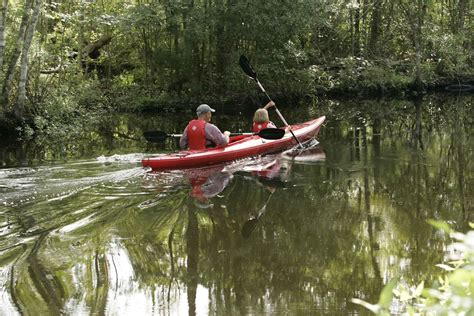
While urban centers continue to attract large-scale events and conventions, the most surprising growth story has emerged from rural Wisconsin. Adams County, for example, recorded the highest percentage increase in tourism impact statewide, surging 6.8% to $267 million. This central Wisconsin gem leveraged its outdoor recreation assets — more than 20 lakes, ATV trails, rock climbing areas — to become a premier destination for those seeking a break from urban life.
Local businesses have thrived as a result. Family-run lodges, boutique stores, and independent restaurants have seen bookings soar, underlining the power of tourism to fuel community resilience and support small-town economies.
The Economic Ripple Effect: Jobs, Tax Relief, and Infrastructure
Tourism’s impact in Wisconsin extends far beyond leisure. In 2024, the sector supported 182,000 jobs, a 2.2% increase over the prior year. These jobs — spanning hospitality, events, retail, and guiding services — are essential lifelines for many communities. Moreover, tourism generated $1.7 billion in state and local taxes, directly easing the burden on Wisconsin households by saving each family approximately $678.
This revenue has been vital in maintaining and improving infrastructure, from road maintenance to public parks, while funding essential services that benefit both residents and visitors.
Festivals, Lodging, and the Allure of Wisconsin’s Natural Beauty
Wisconsin’s success stems from its versatility. The state offers a rich tapestry of experiences that cater to diverse traveler interests. Music lovers flock to Summerfest in Milwaukee; hikers traverse the Ice Age Trail; couples retreat to the romantic shores of Door County. This variety keeps tourism demand high across all seasons.
In response, Wisconsin has seen significant growth in new hotel developments, event spaces, and locally owned accommodations. These additions meet the modern traveler’s desire for immersive, authentic stays — where storytelling, regional cuisine, and personal connections elevate the experience beyond mere sightseeing.
The Challenges Ahead: Ensuring Balanced, Sustainable Growth
Despite statewide success, not all Wisconsin counties have shared equally in the tourism boom. Areas such as Ashland, Clark, Forest, Grant, Iowa, Iron, Juneau, Lafayette, Monroe, Taylor, and Trempealeau experienced declines in tourism-related economic impact. This highlights the urgent need for targeted strategies, including better infrastructure, tailored marketing, and stronger partnerships to help these regions tap into Wisconsin’s rising tide.
Looking forward, sustainability will be key. As traveler numbers grow, so too does the need for thoughtful development that preserves natural resources, supports the workforce, and fosters year-round tourism. Wisconsin’s challenge is to maintain momentum while ensuring its communities — large and small — benefit equitably.
What This Means for Travelers and Industry Leaders
Wisconsin’s tourism ascent offers important lessons for both visitors and professionals. For travelers, it signals a wealth of new experiences waiting to be discovered — beyond the familiar hotspots of the coasts. For industry stakeholders, it demonstrates that strategic investment, community involvement, and authentic branding can drive transformative growth.
As Wisconsin continues to shine on the national stage, it invites everyone — from families planning vacations to policymakers shaping regional economies — to rethink what makes a destination truly great. The Badger State’s success story is far from over, and the coming years promise even greater opportunities for exploration and connection.