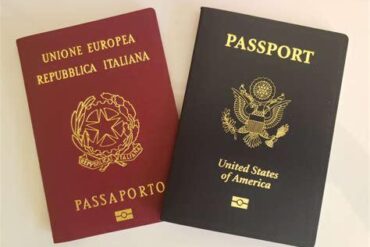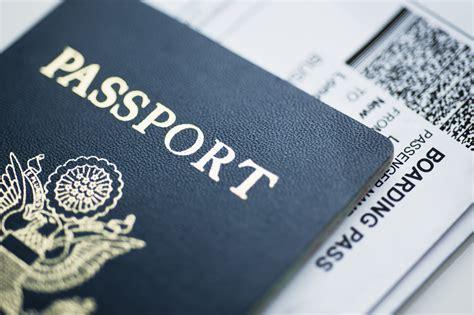
In a stunning revelation that has raised serious security concerns, authorities at Mumbai’s Chhatrapati Shivaji Maharaj International Airport uncovered a shocking case of identity fraud involving a man who possessed three passports and dual citizenship. The individual at the center of this elaborate scheme, Sameer Lakhaani, managed to evade detection for years by utilizing fraudulent documents, thereby highlighting critical lapses in immigration protocols. This incident, which unfolded on a routine evening following Lakhaani’s arrival from London, has prompted a thorough investigation into the integrity of passport issuance systems both in India and abroad.
The discovery was made during a standard immigration check when Immigration Officer Prasad Maghade noticed discrepancies in Lakhaani’s details. His suspicions were piqued, leading to a deeper examination of the traveler’s identity. It was during this probing that it became evident that Lakhaani was already on a lookout notice, triggering further questioning. What followed was the unraveling of a complex web of deceit that involved not only forged documents but also an audacious manipulation of international citizenship laws.
Lakhaani’s journey into the world of identity fraud began with a legitimate Indian passport. After an unsuccessful attempt to secure a visa to the United Kingdom in 2008, he sought alternative means to achieve his travel goals. In 2015, he enlisted the help of an agent who provided him with a fake Indian passport under the alias Sameer Mamodia, claiming to be a resident of Diu-Daman. This fraudulent identity allowed him to traverse borders with relative ease, masking his true intentions.
Not one to rest on his laurels, Lakhaani pushed his luck further by pursuing Portuguese citizenship. He falsely claimed to be the son of a Portuguese national, allowing him to obtain a Portuguese passport. With this newfound status, he made at least two trips between India and the UK, all under the guise of a legitimate citizen. Ultimately, he renounced his Portuguese citizenship to secure British nationality, further complicating his already intricate identity. Armed with a UK passport, Lakhaani continued to travel undetected until his return to Mumbai, where his deception was finally exposed.
The implications of Lakhaani’s actions are far-reaching. His ability to manipulate multiple countries’ systems highlights the urgent need for enhanced security measures within immigration frameworks. The Indian authorities, particularly at Mumbai Airport, have come under scrutiny for their role in the oversight that allowed such a significant breach of security to occur. The thorough documentation and swift action taken by Officer Prasad Maghade were commendable, resulting in the filing of a formal complaint against Lakhaani at the Sahar Police Station. An FIR was registered under various sections of Indian law, including the Passport Act and the Bharatiya Nyaya Sanhita (BNS).
As investigations continue, authorities are not only focusing on Lakhaani but are also delving into the networks that facilitated his extensive fraud. This raises important questions about the passport issuance systems in India and abroad. How could such a widespread fraud remain undetected for seven years? The case sheds light on significant vulnerabilities in passport security, emphasizing the necessity for robust checks and balances to prevent similar incidents in the future. The airline industry and immigration authorities must adapt to evolving threats posed by sophisticated fraudsters who exploit loopholes in existing systems.
Furthermore, the broader implications of identity fraud underscore the need for advanced technologies and cross-border cooperation in detecting and preventing such crimes. As the landscape of international travel evolves, so too must the strategies employed by authorities to safeguard against identity theft. The exposure of Lakhaani’s elaborate scheme serves as a sobering reminder of the critical importance of vigilance at every level of the immigration process.
Moving forward, authorities are committed to tightening procedures around passport verification to ensure similar frauds are thwarted in the future. The lessons learned from Lakhaani’s case extend beyond mere administrative adjustments; they underscore a pressing need for systemic change within immigration protocols globally. The airline industry news will undoubtedly keep a close eye on the outcomes of this investigation and the subsequent reforms that may arise as a result.
This alarming case of identity fraud at Mumbai Airport has significant ramifications not only for passport security but also for the integrity of global travel security. It raises pressing questions about the effectiveness of current protocols and the measures in place to combat identity fraud. As investigations unfold, it remains to be seen how authorities will address the weaknesses exposed by this incident. Ensuring the safety and security of international travelers must remain a top priority for all stakeholders involved in the airline industry and immigration sectors. The stakes have never been higher, and the ongoing challenges posed by identity fraud are a critical issue that demands immediate attention from all corners of the globe.
In conclusion, the case of Sameer Lakhaani exemplifies the urgent need for an overhaul of immigration procedures and passport verification methods. As the world becomes increasingly interconnected, the risks associated with identity fraud will only grow. Authorities must remain proactive in addressing these challenges to ensure the safety and security of international travel for all.