The United States has taken a decisive step by joining forces with Antigua and Barbuda, Dominica, St Kitts and Nevis, Saint Lucia, Grenada, and Saint Vincent and the Grenadines to scrutinize the rapidly expanding — and increasingly controversial — Citizenship by Investment (CBI) programmes in the Caribbean. These initiatives, which offer foreign nationals a pathway to citizenship in exchange for financial contributions, are now under sharp global scrutiny for potentially compromising national security, especially that of the US.
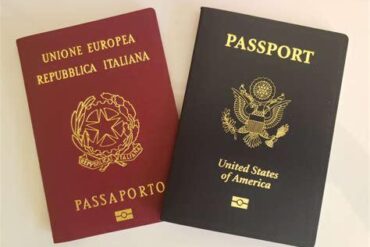
CBI programmes have long served as lifelines for small island nations, generating vital revenue for development projects, social infrastructure, and public services. However, a newly leaked US State Department memo and a subsequent diplomatic escalation have dramatically reshaped the narrative. The central concern? That these programmes are allowing individuals to gain passports — and, by extension, expanded global mobility — without ever setting foot in their host nations.
The Rising Alarm: Why Washington Is Getting Involved
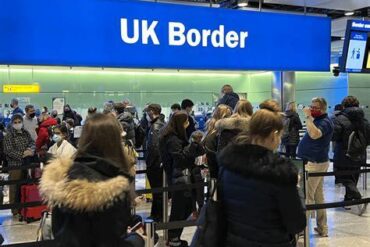
The concern in Washington is not rooted in economics but in border integrity and national security. US officials argue that citizenships sold without strict residency or vetting requirements are potential gateways for individuals who may pose threats — be it through financial crime, terrorism, or anti-American activity. The June 4 presidential proclamation, which expanded US travel bans, provides a stark reminder of how seriously the administration views the issue.
According to the leaked memo, certain nationals are allegedly exploiting their newly acquired Caribbean citizenship to bypass traditional US immigration filters. While no direct incidents were cited, officials warn that this loophole, if left unchecked, could facilitate covert entry into the United States and undermine both immigration laws and international sanctions.
The memo further notes the lack of consistent due diligence across the CBI landscape, despite repeated assurances from Caribbean leaders. This inconsistency, combined with competitive pricing and low-to-no residency requirements, has created what the US sees as a high-risk, high-reward market for global elites — including individuals from sanctioned or high-risk countries.
A Crucial Economic Engine for the Caribbean
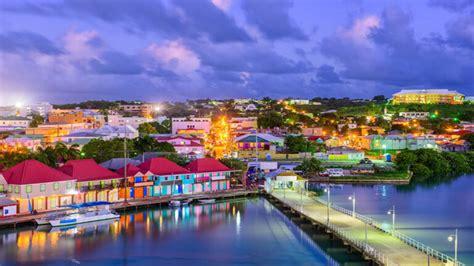
To understand the stakes for Caribbean nations, one must recognize how deeply CBI programmes are embedded in their economic strategies. For countries with small populations, limited exports, and high exposure to climate shocks, citizenship sales have become essential for survival. The programmes fund everything from hurricane recovery and airport expansion to health care and education.
In defending their programmes, leaders from the Eastern Caribbean have stressed the rigorous multi-tiered vetting processes already in place. Applicants typically undergo background checks by both national intelligence units and external due diligence firms. Furthermore, they argue that the economic transformation enabled by CBI has been largely overlooked in Western criticisms.
The New Benchmarks: What the US Wants
In what many interpret as an ultimatum, the US has imposed a 60-day deadline — expiring next Wednesday at 8 a.m. — for the Caribbean governments to submit detailed action plans. These must include steps to:
- Enhance applicant vetting
- Introduce or strengthen residency requirements
- Increase programme transparency and accountability
- Establish bilateral cooperation on repatriation of nationals
The goal is not to dismantle CBI, but to align these schemes with international standards. Caribbean nations are being asked to walk a fine line: retain the financial lifeline of CBI while rebuilding trust with powerful allies like the United States.
Expanding the Radar: Beyond the Caribbean
This new scrutiny isn’t confined to the Caribbean. The US memo also names 25 African countries along with several in Central Asia and the Pacific, indicating a global realignment of US immigration and border policy. Nations such as Afghanistan, Myanmar, Chad, and Equatorial Guinea are now subject to full travel bans. Others, including Cuba, Laos, Venezuela, and Burundi, face partial restrictions.
This broader targeting is consistent with the Trump administration’s emphasis on curbing irregular migration routes and tightening vetting procedures globally. It signals that programmes which allow individuals to essentially buy their way into new passports are incompatible with evolving US security doctrine.
Diplomatic Negotiations: What Could Happen Next
For Caribbean nations, diplomatic engagement is now paramount. One possible route to compliance could be bilateral repatriation agreements, where countries agree to accept their nationals removed from US territory. Another option is participation in “safe third country” arrangements, where the signatory nation agrees to host asylum seekers redirected from the US border.
These arrangements, however, come with trade-offs. Accepting deportees or third-country nationals could pose domestic political challenges and strain limited public resources. Yet without a viable alternative, the cost of non-compliance may include revoked visa waivers, loss of diplomatic standing, and further exclusion from Western financial systems.

Reforms Already in Motion
Some nations are proactively attempting to realign with Washington’s expectations. Saint Lucia and St Kitts and Nevis are reportedly drafting updated regulatory frameworks to mandate physical residency periods and bolster due diligence standards. Meanwhile, Dominica is investing in blockchain-based identity systems aimed at enhancing traceability and verification.
These efforts underscore the region’s commitment to balancing national sovereignty with the geopolitical realities of US power. The Caribbean Community (CARICOM) has also been facilitating regional cooperation to standardize procedures and present a unified front in negotiations.
High-Stakes Decisions: What’s at Risk
Should the US remain unsatisfied with Caribbean responses, the consequences could be far-reaching. Beyond immigration repercussions, there are economic and reputational costs. Caribbean passports, once valued for their visa-free travel to dozens of countries, could lose appeal if access to key markets like the US or EU is restricted.
Moreover, local economies heavily reliant on real estate, construction, and professional services tied to CBI would face immediate shocks. As investor confidence dwindles, governments could find themselves forced to pivot rapidly — a difficult feat given fiscal constraints and post-pandemic recovery struggles.
A Global Turning Point for Citizenship Commerce
The broader issue at hand is whether the era of citizenship as a commodity is drawing to a close. Western powers, led by the US, are asserting that identity must not be transactional — especially when national security is involved. As scrutiny intensifies, countries offering CBI may face a binary choice: reform or retreat.
The Caribbean’s experience could become a case study for other nations with similar programmes, including Turkey, Vanuatu, and Cyprus, each of which has faced international backlash for opaque or poorly regulated citizenship sales.

Final Countdown: What to Expect in the Coming Weeks
With the 60-day deadline nearing, Caribbean leaders are under extraordinary pressure to deliver credible, actionable plans. The US has made clear that cosmetic changes will not suffice. What is expected are structural adjustments that demonstrate genuine intent to preserve national integrity, not just preserve revenue streams.
The outcome will likely shape the future of Caribbean-US relations, determine the fate of the region’s multi-billion-dollar citizenship industry, and influence the global dialogue on migration, sovereignty, and security. While the Caribbean seeks to defend its economic independence, it must also recognize that in a hyper-connected world, its internal policies can reverberate far beyond its borders.
If successful, these nations could serve as models of adaptive governance, showing that financial innovation can coexist with strong regulatory ethics. If not, the fallout may permanently alter the trajectory of global citizenship policy.
In this tense and pivotal moment, all eyes remain on the Caribbean — and how its leaders choose to act under the watchful gaze of Washington.