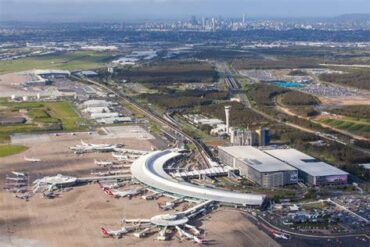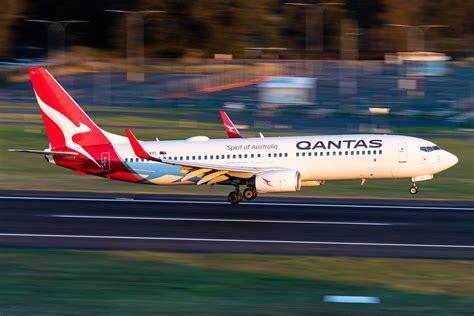
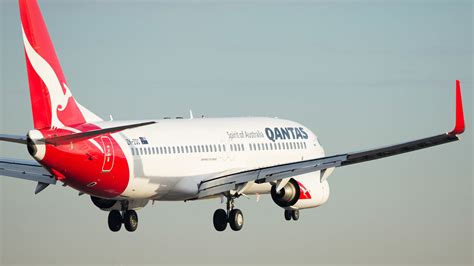
On May 1, 2025, a significant incident occurred at Brisbane International Airport when a Qantas Boeing 737-800, arriving from Queenstown, collided with an airbridge. The impact caused substantial damage to the aircraft’s windscreen, yet fortunately, there were no injuries reported among the passengers or crew onboard. Passengers were safely disembarked using stairs as the situation was managed without further complications, showcasing the effectiveness of emergency protocols in place at the airport.
Following the collision, Qantas swiftly launched an investigation to ascertain the circumstances that led to this alarming event. A spokesperson for the airline confirmed that the aircraft would undergo a thorough inspection by engineers in Brisbane, who will assess the extent of the damage and ensure that all necessary repairs are made before it returns to operational service. This incident underscores Qantas’s commitment to the safety of its fleet and passengers, as the airline collaborates closely with Brisbane Airport to investigate the cause of the collision.
In addition to this recent incident, it is noteworthy that this is not the first occurrence of such nature at Brisbane Airport. Just a month prior, an Air New Zealand Boeing 777 also collided with an airbridge during a pushback, resulting in a hole in the fuselage. That incident necessitated the aircraft’s return to Auckland without passengers, highlighting the critical need for stringent safety measures in airport operations.
Brisbane Airport’s Response to the Incident
Ryan Both, the aviation general manager at Brisbane Airport, expressed the airport’s unwavering commitment to safety in the wake of this incident. He emphasized that such occurrences are taken very seriously, assuring that the airport will fully cooperate with the ongoing investigation. “Safety is our first priority at Brisbane Airport,” Both stated, reinforcing the notion that all necessary actions will be undertaken to learn from this collision. Despite the challenges posed by this incident, he reiterated the airport’s focus on maintaining the highest safety standards, indicating that a comprehensive review of the procedures involved in the aircraft’s handling and pushback process is forthcoming.
Involvement of the Australian Transport Safety Bureau
As is standard protocol in the aviation industry, the Australian Transport Safety Bureau (ATSB) has been notified of the collision. An ATSB spokesperson confirmed the report and indicated that they are currently gathering additional information to determine whether a formal investigation is warranted. The ATSB plays a crucial role in investigating incidents like this one, aiming to uncover any contributing factors that may have led to the collision. Their findings are expected to influence future improvements in both airport and airline operations, particularly concerning aerobridge safety measures and aircraft handling procedures across the industry.
Qantas’s Recent Performance Amidst Challenges
While the Qantas aircraft incident has garnered significant media attention, it is worth noting that the airline had recently received recognition as the 14th best airline in the world at the annual World Airline Awards. This ranking signifies a marked improvement from 2024, where Qantas had fallen to 24th place. Despite facing a tumultuous few years characterized by leadership changes and controversies—such as the illegal sacking of employees and issues related to flight cancellations and reward seat availability—Qantas continues to be a major player in the global airline industry. The recent award reflects the airline’s efforts to recover and restore its reputation amidst ongoing operational challenges.
Aerobridge Safety and Operational Procedures
The collision involving the Qantas aircraft raises important questions regarding aerobridge safety and the operational procedures followed during aircraft handling at airports. Incidents of this nature, while rare, are concerning and highlight the necessity for constant vigilance in operational practices. It is imperative to reassess the protocols surrounding aircraft pushbacks and the interactions between planes and airbridges. These procedures are vital not only for preventing damage to aircraft but also for ensuring smooth operations at busy international terminals like Brisbane Airport. As both Qantas and Brisbane Airport navigate through the aftermath of this incident, the lessons learned are likely to shape future guidelines for handling aircraft in tight spaces near airbridges.
Conclusion: A Commitment to Safety and Improvement
In conclusion, the Qantas aircraft incident serves as a stark reminder of the complexities involved in airport operations and the paramount importance of adhering to rigorous safety protocols. As investigations continue, the insights gleaned from this incident are expected to prompt a comprehensive review of existing procedures at Brisbane Airport and beyond. Aviation safety remains a top priority, and the collaborative efforts between Qantas, Brisbane Airport, and the ATSB will be instrumental in minimizing the likelihood of similar incidents in the future. While this incident has raised valid concerns, both the airline and airport authorities are dedicated to resolving the issues at hand and learning from this event to enhance safety standards across the industry.