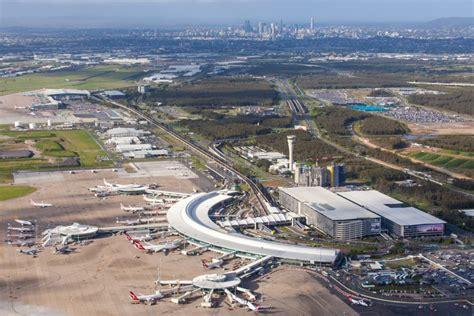
Situated at the coordinates 27°23′00″S 153°07′06″E, Brisbane Airport (IATA: BNE, ICAO: YBBN) stands as a critical gateway connecting Queensland with domestic and international destinations. Since its inauguration on 19 March 1988, this facility has transformed into Australia’s largest airport by land area, covering an extensive 2,700 hectares. Owned and operated by Brisbane Airport Corporation (BAC), the airport is not just an infrastructural marvel but also a core economic engine, boasting a 2012 economic impact of AUD 7.3 billion.
With over 218,000 aircraft movements in 2024 and a passenger count that exceeded 23 million in 2017, Brisbane Airport continues to expand in scope and sophistication. It serves as a hub for Qantas and Virgin Australia, and supports key operations for Jetstar, Rex, Alliance Airlines, and the Royal Flying Doctor Service.
The Evolution of Brisbane Airport: From Eagle Farm to a World-Class Hub
Eagle Farm Legacy (1925–1988)
Before Brisbane Airport became the modern marvel it is today, the city relied on Eagle Farm Airport, located just 6 km from the CBD. Established in 1925, Eagle Farm was central to early Australian aviation history. In 1928, Charles Kingsford Smith made history by landing the Fokker F.VII Southern Cross here after completing the first trans-Pacific flight.
World War II elevated Eagle Farm’s importance when it was commandeered and upgraded by the United States Armed Forces. Despite its historic significance, it was decommissioned in March 1988 as aviation demand outgrew its capacity.
1988: The Birth of a New Era
On 19 March 1988, Prime Minister Bob Hawke inaugurated the new Brisbane Airport, constructed at the site of Cribb Island, a former residential area. The development cost around AUD 400 million, managed by Barclay Brothers. At inception, the airport featured two runways (3,500m and 1,700m), a domestic terminal, maintenance facilities, and a freight apron.
The international terminal, a critical milestone in the airport’s development, was added in September 1995 under Prime Minister Paul Keating.
A Strategic Shift: Privatization and Growth
In 1997, the Australian Government leased the airport to Brisbane Airport Corporation under a 50-year agreement, initially with shareholders including Schiphol Group, Brisbane City Council, and the Commonwealth Bank. Today, BAC’s major stakeholders include QIC (29%), Igneo (27%), Schiphol (20%), and IFM Investors (20%).
This privatization unleashed a phase of modernization and expansion, leading to ambitious projects such as terminal renovations, new lounges, and a second runway.
Dual Runways: A Game Changer for Air Traffic Capacity
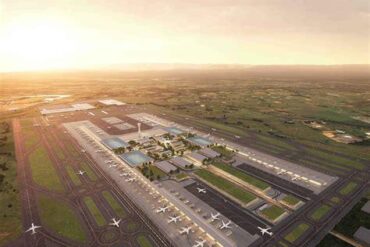
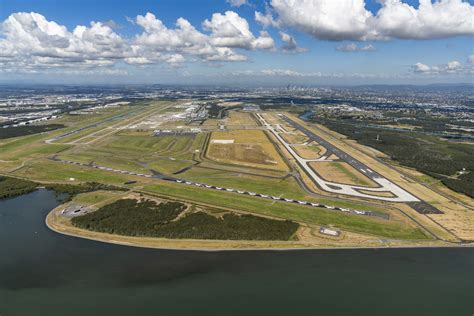
One of the most significant infrastructure feats was the completion of the New Parallel Runway (NPR). Approved in 2007 and opened in July 2020, this 3,300-meter runway was constructed atop 13 million cubic metres of reclaimed sand from Moreton Bay. Officially launched with a Virgin Australia flight (VA781) to Cairns, the new runway has since decongested traffic and enabled simultaneous takeoffs and landings.
With the cross runway 14/32 decommissioned in March 2020, the airport now operates two major runways: 01L/19R (3,300 m) and 01R/19L (3,560 m), both with asphalt surfaces suitable for large aircraft, including the Airbus A380.
Terminal Infrastructure: Passenger Experience and Airline Support
International Terminal
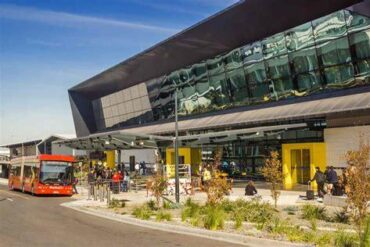
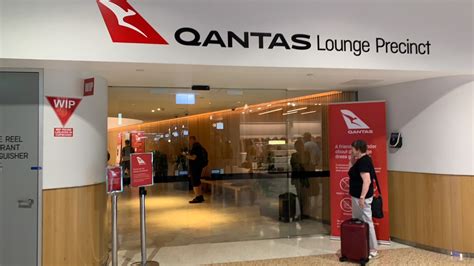
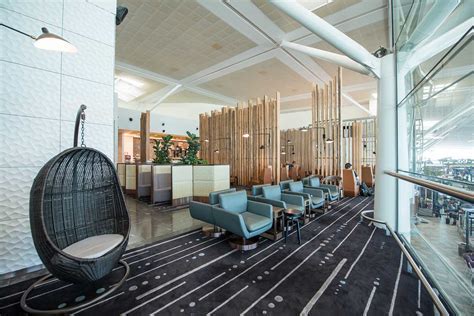
Opened in 1995, Brisbane’s international terminal features 14 aircraft bays, including four A380-compatible stands. Spread across four levels, the terminal accommodates office spaces, check-in, departures, and arrivals, along with modernized lounges operated by Emirates, Qantas, Air New Zealand, Singapore Airlines, Aspire, and Plaza Premium.
In 2014, a AUD 45 million redevelopment enhanced the terminal with creative installations, including works by Sebastian Moody and Mirdidingkingathi Juwarnda Sally Gabori. Complementing its aesthetics are multi-storey car parks offering both short- and long-term options.
Domestic Terminal
This curved two-storey structure features three key concourses:
- Qantas/QantasLink (North): 9 bays, dual jet bridges, premium lounges.
- Virgin Australia (South): 11 bays, dual jet bridges, domestic lounges.
- Jetstar (Central): Shared concourse for both jets and regional turboprops.
The domestic terminal is supported by remote stands and apron bus transfers for smaller aircraft. A Terminal 3 is in the planning phase, expected to support both domestic and international flights.
VIP & FBO Facilities
The airport also houses elite services, with AVCAIR FBO and Brisbane Jet Base providing private, FIFO (Fly-In Fly-Out), charter, military, and emergency flights. The Royal Flying Doctor Service and LifeFlight Australia operate on-site for urgent medical air services.
Airlines, Destinations, and Passenger Reach
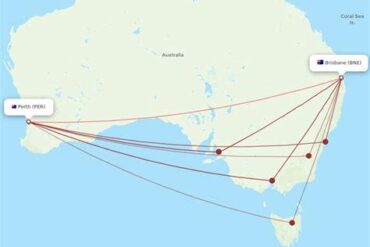
With 31 active passenger airlines, Brisbane Airport connects to 50 domestic and 29 international destinations. Its long-haul services include routes to Vancouver (Air Canada), Dubai (Emirates), Los Angeles (American Airlines and Delta), Seoul (Korean Air), and Tokyo (Qantas).
International connectivity continues to grow with upcoming additions:
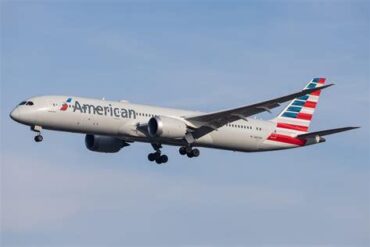
- American Airlines: LAX starting 7 December 2025
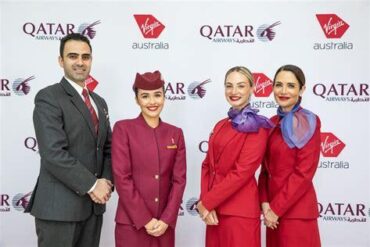
- Virgin Australia: Doha route launching 19 June 2025
- Cathay Cargo: New cargo services to Hong Kong from 17 June 2025
On the cargo front, major operators like Qantas Freight, Team Global Express, and Virgin Australia Cargo provide vital logistics support across the continent.
Ground Transportation and Accessibility
Road Network
Brisbane Airport offers four 24/7 car parks with over 9,000 spaces, supplemented by valet services from Qantas and Virgin. The Airport Link Tunnel, opened in 2012, connects the airport to Brisbane’s motorway network. Additional roadways like the Northern Access Road and Moreton Drive streamline terminal access.
Public Transit and Sustainability
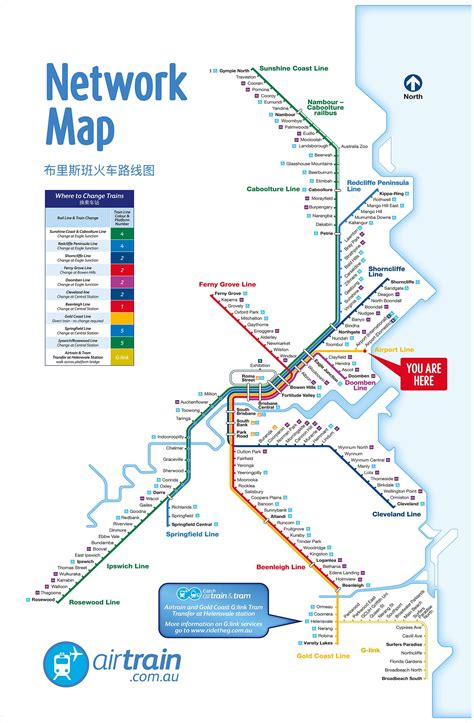
The Airtrain Citylink, a privately operated rail service, provides a direct link between both terminals and Brisbane’s CBD, Fortitude Valley, and the Gold Coast. A free inter-terminal shuttle and route 590 buses to Skygate enhance connectivity.
Cyclists are accommodated via routes tied to the Moreton Bay Bikeway, reflecting the airport’s push for sustainable access.
Control & Airspace: Brisbane Centre
Brisbane Airport also plays a critical air traffic management role through Brisbane Centre (FIR), which controls airspace over Queensland, northern NSW, Northern Territory, and parts of Western Australia and the Tasman Sea. This facility manages 5% of the world’s airspace, overseeing most east coast international flights except those crossing the Indian Ocean.
Growth Metrics and Operational Highlights
- Passenger Forecast: From 23.1 million in 2017 to an anticipated 50 million by 2035.
- Domestic Traffic (1998–2022): Increased from 7.4 million to 14.4 million.
- International Traffic: From 2.25 million to 2.53 million, dipping during COVID-19.
- Top Domestic Routes (2022):
- Sydney: 3.59 million passengers
- Melbourne: 2.80 million passengers
- Cairns: 1.13 million passengers
- Top International Routes (2024):
- Auckland: 857,594
- Singapore: 827,220
- Dubai: 490,437
- Denpasar: 420,158
- Tokyo: 257,252
Recognitions and Safety Record
Brisbane Airport’s commitment to excellence has earned it numerous accolades:
- ACCC Australia’s Best for Quality of Service (2005–2014)
- 3rd Best Airport globally (20–30 million pax category)
- Queensland Architecture Award for terminal design
- IATA Eagle Award (2005)
Despite its scale, the airport maintains an excellent safety record. Notable incidents include a gear-collapse landing in 2012, a pitot cover oversight in 2018, and a fuselage breach in an A380 in 2022 — all resolved without injury.
Conclusion
Brisbane Airport exemplifies how visionary infrastructure, private investment, and operational excellence converge to support regional and international connectivity. With its expanding runways, world-class terminals, and growing passenger volumes, Brisbane is more than a transit hub—it is a dynamic cornerstone of Australia’s aviation landscape and a vital economic engine that continues to evolve with global demand.