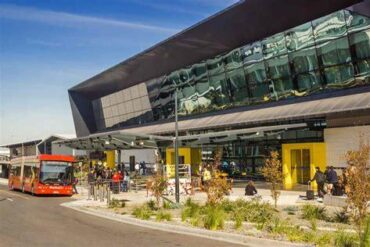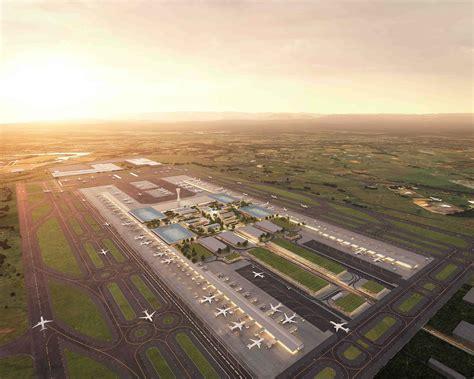
Australia’s aviation industry is taking a bold leap into the future with the launch of the West Sydney International Airport (WSI)—a multi-billion-dollar marvel designed to reshape the global air travel landscape. Positioned just thirty miles west of Sydney’s CBD, this state-of-the-art hub is more than just an airport—it’s a symbol of modern engineering, sustainable innovation, and national ambition.
West Sydney International: A Bold Vision for a Global Hub
Costing approximately AUD 5.1 billion, West Sydney International Airport emerges as a transformative project that challenges legacy airports like London’s Heathrow and LAX. Developed with future scalability at its core, WSI is slated to initially accommodate 10 million passengers annually, with infrastructure already in place for expansion to 82 million—a capacity on par with the world’s busiest airports.
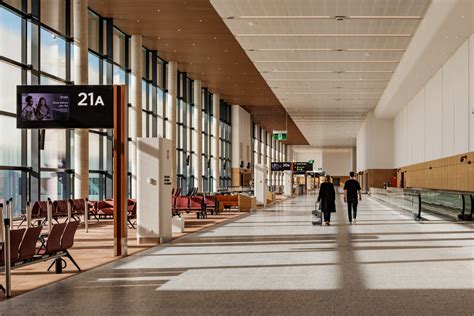
Unlike the congested Kingsford Smith Airport, which faces curfews due to its residential surroundings, WSI will offer 24-hour operations for both domestic and international flights. This around-the-clock accessibility is set to be a game-changer for travelers and airlines alike, dramatically improving flight scheduling, layover logistics, and global connectivity.
Architectural Brilliance Meets Australian Identity
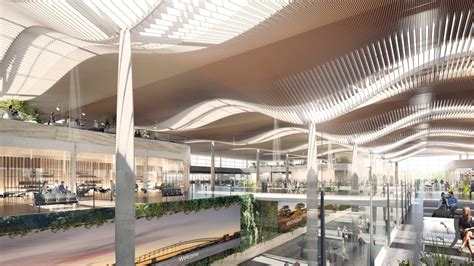
Designed in collaboration between Zaha Hadid Architects and Cox Architecture, the airport terminal is a masterpiece that celebrates Australian geography. The wave-like roof structure mirrors the Blue Mountains, while locally sourced sandstone evokes the textures and colors of New South Wales’ Central Coast.
From vast glass facades that flood the terminal with natural light to expansive open-air courtyards and eucalyptus-lined walkways, every element serves dual purposes: function and symbolism. The result is a terminal that feels intrinsically Australian while offering the sophistication of a next-generation international gateway.
Sustainability as Standard, Not Slogan
West Sydney International Airport sets a new global benchmark for eco-conscious aviation infrastructure. Over 6,000 solar panels power critical operations, dramatically reducing the airport’s carbon footprint. Meanwhile, an advanced rainwater harvesting and recycling system feeds into the airport’s sanitation, HVAC, and landscape irrigation systems.
This green commitment is aligned with Australia’s national sustainability goals, giving WSI a leading role in a future where net-zero emissions are not only aspirational but operational. Beyond meeting environmental standards, WSI raises the bar for how large-scale infrastructure projects can integrate climate resilience into their DNA.
Economic and Regional Transformation
The construction phase alone contributed significantly to the local economy, creating thousands of jobs, with many contracts awarded to Western Sydney-based suppliers and contractors. Beyond its immediate economic impact, the airport is expected to stimulate growth in adjacent sectors, including logistics, retail, tourism, and education.
A direct rail link to the Sydney Metro and newly developed road networks ensure seamless accessibility. The airport is set to become the economic nucleus of Western Sydney, sparking new housing developments, business parks, and commercial corridors.
Global Stage Set with Qantas’ Project Sunrise
Perhaps the most ambitious chapter in WSI’s story is being written by national carrier Qantas. Under the banner of Project Sunrise, Qantas plans to launch 22-hour non-stop flights from Sydney to London—surpassing Singapore Airlines’ Singapore-to-New York flight as the world’s longest commercial route.
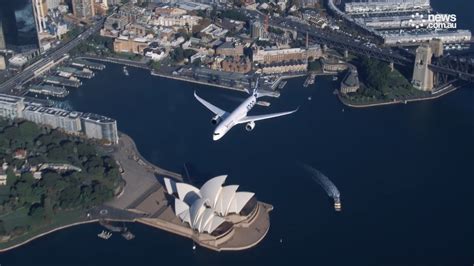
The upcoming ultra-long-haul services, projected to begin by 2027, are more than a technological feat. They symbolize the consolidation of Australia’s status as a global aviation powerhouse. Before launching the full route, Qantas will conduct trial runs on the Sydney-Auckland corridor, using custom Airbus A350-1000s retrofitted with enhanced fuel tanks, optimized cabins, and high-efficiency engines.
Passenger Experience Reimagined
Flying for 22 hours demands more than endurance—it requires innovation in comfort. Qantas is introducing next-generation cabin interiors tailored for wellbeing during extended travel. The new aircraft will feature a dedicated wellness zone, a first in commercial aviation, where passengers can stretch, hydrate, and rejuvenate mid-flight.
Ergonomically designed seating, circadian lighting systems, and curated meal plans that sync with time zones represent Qantas’ passenger-centric philosophy. The airline isn’t just connecting continents—it’s redefining what it means to travel across time and space.
Political and Strategic Significance
The unveiling ceremony—attended by Prime Minister Anthony Albanese and Minister Catherine King—was more than ceremonial pageantry. It underscored the federal government’s strategic investment in transforming Australia into a southern hemisphere aviation hub.
WSI’s launch comes at a time when global travel demand is resurging post-pandemic, and geopolitical shifts are redrawing aviation corridors. In this climate, WSI positions Australia to capture a significant share of Asia-Pacific and long-haul European air traffic.
Long-Term Outlook: A Global Leader in the Making
When it opens to air traffic in late 2026, West Sydney International Airport will not only alleviate pressure on existing infrastructure—it will unlock new economic, logistical, and diplomatic pathways. With robust foundations in sustainability, scalability, and design excellence, the airport is poised to rival the likes of Heathrow, Changi, and Incheon within the next decade.
Combined with Qantas’ world-first ultra-long-haul routes and an uncompromising focus on passenger wellbeing, WSI represents a complete reinvention of the airport model—from being mere transit points to becoming immersive, sustainable, and culturally resonant destinations.
Final Approach: The Future Is Now
As Australia embraces a new aviation frontier, West Sydney International Airport stands as a testament to what’s possible when vision meets execution. It’s not just about bigger terminals or longer runways. It’s about rethinking connectivity, elevating comfort, and setting new global standards in how the world moves.
This isn’t just the opening of a new airport. It’s the opening chapter of Australia’s aviation renaissance.