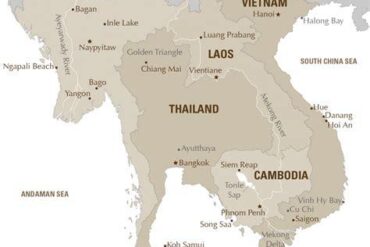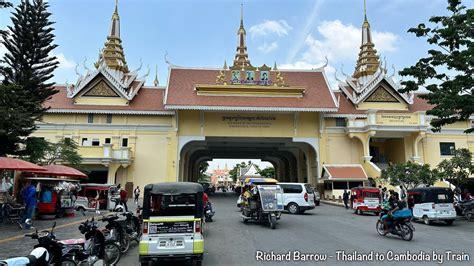
In a shocking turn of events, Cambodia has abruptly closed a major land crossing with Thailand, leaving thousands of tourists stranded and disrupting long-established travel routes between the two nations. This sudden closure has caught both locals and travelers by surprise, leading to severe delays and unexpected rerouting costs. As both governments scramble to manage the fallout, those who depend on this route for their livelihoods find themselves in a precarious situation, with no clear timeline for when the border will reopen.
The closure of the border crossing is not merely an inconvenience for travelers; it has significant implications for local economies that thrive on cross-border movement. Many Cambodians regularly travel to Thailand for work, and the sudden restrictions have left them unable to return home or access job opportunities. According to reports, around 50 Cambodians were stranded at the Ban Khlong Luek checkpoint, unable to return to their jobs in Thailand. This disruption has created a ripple effect, impacting not only the individuals involved but also the broader economic landscape.
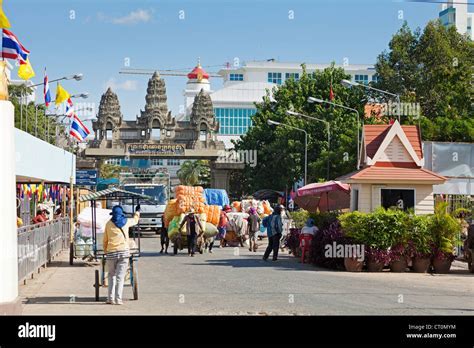
The Thai government has responded by imposing a full blockade on land crossings into Cambodia, adding to the complexity of the situation. Travelers now face increased checks at land crossings in five provinces, further complicating their ability to move freely between the two countries. While some exceptions exist—primarily for individuals needing medical treatment or educational travel—the overall atmosphere remains one of uncertainty and confusion. Tourists, particularly those looking to visit popular destinations such as Siem Reap, are now grappling with the prospect of extensive rerouting through Bangkok, which could inflate their travel costs significantly.
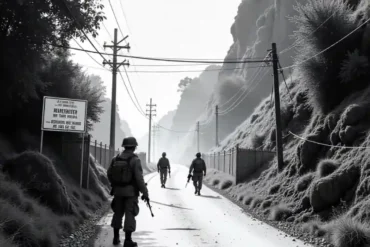
The enforcement of these measures comes amid rising tensions between Thailand and Cambodia. The backdrop of this closure is marked by escalating military tensions, notably highlighted by an exchange of gunfire on May 28, which resulted in the death of a Cambodian soldier. This tragic incident has exacerbated an already fraught relationship between the two nations, prompting retaliatory actions that have further strained ties.
On the diplomatic front, both countries have attempted to ease tensions, yet the underlying issues remain unresolved. Recent measures taken by Cambodia, such as banning the import of Thai fruits and vegetables and restricting access to Thai media, indicate a growing rift. In response, Thailand has bolstered its military presence along the border and imposed restrictions on its citizens traveling to Cambodia, particularly those seeking employment in the casinos that dot the Cambodian landscape. Such developments highlight the deep-seated issues that plague the bilateral relationship and signal that the closure of the border crossing is just one manifestation of a larger geopolitical struggle.
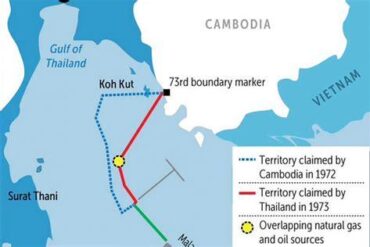
The conflict over territory is not new; the two nations share a 500-mile border that has been a source of contention for decades. A particularly contentious point is the location of the Preah Vihear temple, a UNESCO World Heritage site that lies in a disputed area. Despite a ruling from the International Court of Justice in 1962 affirming Cambodia’s sovereignty over the temple, Thailand continues to contest the decision, inflaming nationalist sentiments on both sides. This territorial dispute has contributed to ongoing tensions, making diplomatic resolutions increasingly difficult.
Travelers hoping to cross into Cambodia must now consider alternative arrangements, as the closure has thrown their plans into disarray. Those who had intended to visit Siem Reap or other Cambodian destinations may need to reassess their travel itineraries entirely. With air travel options also complicated by the restrictions, many are left scrambling for solutions that could prove costly and time-consuming.
As the situation continues to unfold, the impact of these travel restrictions extends beyond mere inconvenience. The tourism sector, a critical industry for both countries, is likely to suffer significant losses, further affecting local businesses that rely on the influx of visitors. The economic repercussions of this closure could linger long after the borders eventually reopen, underscoring the interconnectedness of travel and economic stability in the region.
In the interim, travelers are advised to exercise caution and stay updated on the latest developments. The uncertainty surrounding the reopening of the border crossing necessitates vigilance, as changes could occur rapidly. Monitoring local news sources and remaining flexible with travel plans will be crucial for those looking to navigate this complex and evolving situation.
In summary, Cambodia’s sudden closure of a key land crossing to Thailand has thrown thousands of tourists into chaos, creating significant disruptions to travel and cross-border movement. As both countries grapple with the fallout from this decision, the ongoing dispute over the Preah Vihear temple and broader border issues will likely continue to simmer. Travelers should prepare for delays, reassess their plans, and remain informed as they navigate this challenging landscape.