Aviation safety remains a top priority for both airlines and passengers, especially in 2025, a year that has underscored the critical importance of operational excellence and safety management systems. Despite occasional high-profile incidents, air travel in the United States continues to be one of the safest modes of transportation, supported by rigorous regulatory oversight, continuous crew training, and evolving safety protocols. According to the latest research by MIT, the fatality rate fell dramatically to one per every 13.7 million passenger flights in 2024, marking a significant improvement from the previous decade.
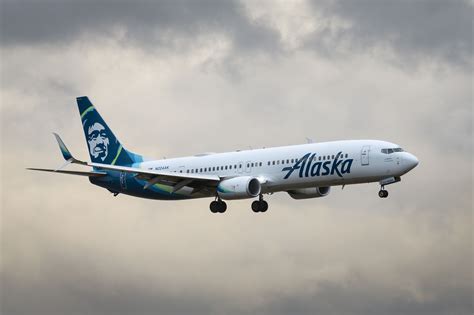
Alaska Airlines: The Pinnacle of US Aviation Safety
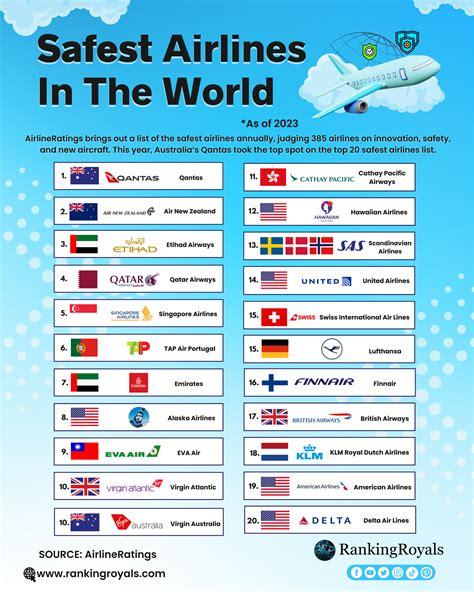
Alaska Airlines has earned the distinction of being the safest full-service airline in the United States, securing the 9th spot globally. Its reputation for safety is bolstered by a robust safety culture and transparent operational policies. Despite a high-profile incident in early 2024 involving a Boeing 737 MAX, the airline’s crew demonstrated exceptional skill and composure, ensuring the safe return of Flight 1282 to Portland Airport. This event, while alarming, highlighted the effectiveness of Alaska Airlines’ emergency preparedness protocols.
The airline, with a fleet of 328 aircraft and 128 destinations, has a long-standing commitment to safety dating back to its origins in 1932. Remarkably, since a tragic crash in 2000, Alaska Airlines has operated without any fatalities, underscoring its dedication to continuous improvement and risk mitigation.
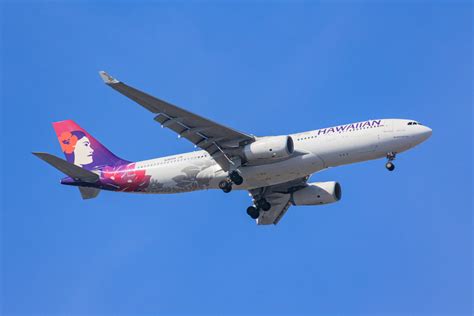
Hawaiian Airlines: A Legacy of Unbroken Safety
Ranked second safest in the US and 12th globally, Hawaiian Airlines stands out for its impeccable safety record. Operating since 1929, the airline has never experienced a fatal accident or hull loss, a testament to its meticulous maintenance practices and highly trained personnel. Hawaiian’s fleet of 70 aircraft services 31 destinations, with particularly strong performance in flight reliability and customer satisfaction.
The airline’s 2025 acquisition by Alaska Airlines has consolidated two of the nation’s safest carriers under a single corporate umbrella, potentially setting new industry benchmarks for operational safety and service quality. Hawaiian Airlines also excels in baggage handling and boarding reliability, maintaining an industry-low mishandle rate of just 3.2 bags per 1,000 passengers.
American Airlines: Strong Safety Record Despite Challenges
American Airlines, the largest US carrier by fleet size with 981 aircraft and 353 destinations, ranks third domestically and 13th globally in 2025. The airline has shown significant progress in improving its safety metrics and operational reliability. However, its safety record was impacted in January 2025 when American Eagle Flight 5342 collided with a military helicopter near Reagan Airport, marking the first fatal accident involving American since 2001. While the long-term impact on its safety reputation remains under review, American’s dedication to safety training and infrastructure remains robust.
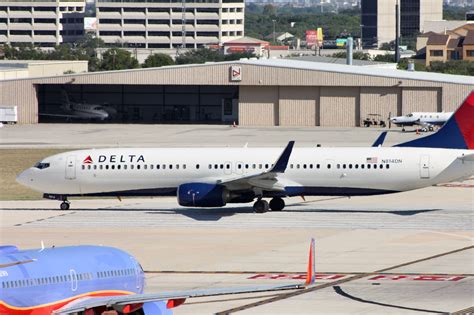
Delta Air Lines: Reliable and Resilient
Delta Air Lines holds the 4th position among US carriers and 21st globally. Operating 978 aircraft across 311 destinations, Delta is frequently recognized for outstanding punctuality and customer service. Its last fatal accident occurred in 2006, and the airline has since focused heavily on proactive safety measures and engineering excellence.
Despite a few notable incidents in 2024—including a ground collision between two Delta aircraft—Delta’s overall safety record remains strong. The airline continues to invest in next-generation aircraft, predictive maintenance technologies, and rigorous crew training programs to uphold its high safety standards.
United Airlines: Comprehensive Safety Overhaul
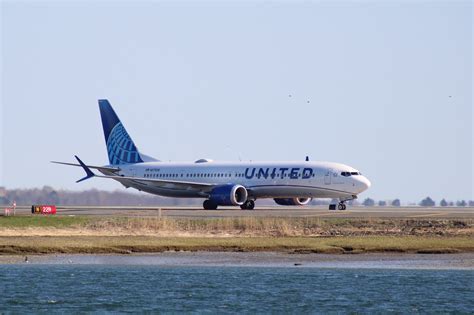
United Airlines rounds out the top five safest full-service carriers in the US, ranking 23rd globally. With over 1,000 aircraft and service to 365 destinations, United has demonstrated a strong commitment to safety enhancements, especially following a series of non-fatal incidents in 2024. Noteworthy improvements include the reduction of its mishandled baggage rate and the implementation of a comprehensive safety review spearheaded by CEO Scott Kirby.
United’s focus on improving technical operations and cabin crew training has contributed to its position among the world’s safest airlines, despite the challenges it faced last year.
Frontier Airlines: Leading the Low-Cost Segment
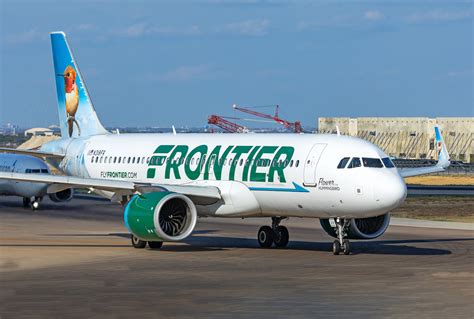
Frontier Airlines claims the top spot among low-cost carriers in the US and ranks 5th globally. Its safety record is impeccable, having never experienced a fatal accident in its 75-year history. Operating a modern fleet with an average age of just over four years, Frontier leverages young aircraft and rigorous maintenance to stay ahead in safety rankings.
The airline has successfully mitigated common operational risks, maintaining consistent safety protocols even as it expanded its route network and flight frequency. Frontier’s strategic focus on reliability and safety excellence makes it a standout in the budget segment.
Other Notable Low-Cost Carriers
- Southwest Airlines: Ranked 2nd in the US and 9th globally, Southwest has a stellar history devoid of fatal crashes, aside from a single incident in 2018.
- Sun Country Airlines: Holding 3rd place domestically and 15th globally, Sun Country blends low-cost efficiency with premium safety standards, offering extra in-flight amenities.
- JetBlue: Ranked 4th in the US and 17th globally, JetBlue continues to enhance its safety and service, reinforcing its status as a major player in the low-cost market.
- Allegiant Air: Positioned 5th domestically and 21st globally, Allegiant Air maintains a reliable safety record while operating a diverse fleet.
Conclusion: Why US Airlines Lead in Aviation Safety
The 2025 safety rankings reveal a mature and highly regulated aviation industry in the United States, characterized by relentless focus on safety culture, technology adoption, and crew training. Airlines like Alaska and Hawaiian set global benchmarks, while low-cost carriers such as Frontier prove that budget travel need not compromise safety.
The aviation landscape continues to evolve, but one constant remains: the commitment of US airlines to the highest safety standards, ensuring that passengers can fly with confidence today and in the years to come.