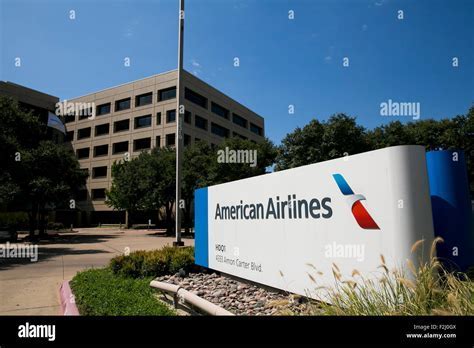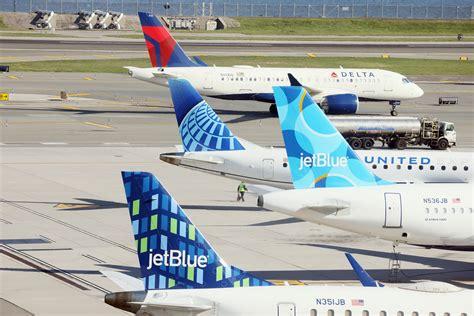
American Airlines, Inc., headquartered in Fort Worth, Texas, stands as the world’s largest airline by passenger volume and daily flight operations. Alongside its regional brand, American Eagle, the airline operates nearly 6,800 daily flights to 353 destinations across 48 countries, serving over 200 million passengers annually from its ten major hubs. These hubs span strategic locations including Charlotte, Chicago–O’Hare, Dallas/Fort Worth, Los Angeles, Miami, New York–JFK, New York–LaGuardia, Philadelphia, Phoenix–Sky Harbor, and Washington–National, employing over 103,440 staff as of 2024.
Origins and Evolution
American Airlines traces its roots back to the early days of aviation. The company originated in 1930 from the merger of over eighty small regional carriers, including the Robertson Aircraft Corporation (founded in 1921) and Colonial Air Transport. These airlines were consolidated under The Aviation Corporation, later rebranded as American Airways in 1930 before becoming American Airlines in 1934 following a strategic route realignment.
In 1935, under the visionary leadership of CEO C. R. Smith, American Airlines collaborated with Douglas Aircraft Company to develop the Douglas Sleeper Transport (DST), a significant advancement in commercial aviation. The DST, based on the successful DC-2 model, first took flight on December 17, 1935, and soon after, the DC-3 variant launched on June 26, 1936, becoming one of the most iconic aircraft in history, renowned for its reliability and comfort. This early innovation laid the foundation for American’s dominance in the commercial aviation market.
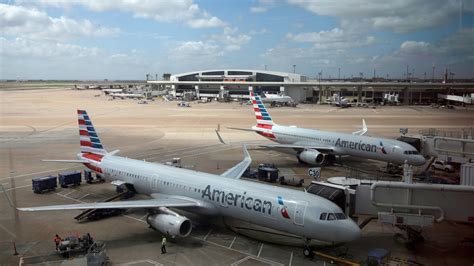
Network and Hubs
Today, American’s vast network covers nearly 350 destinations worldwide, connecting passengers to major business and leisure markets. Each hub plays a distinct role:
- Charlotte (CLT) – Focuses on the Southeast and Caribbean connections.
- Chicago–O’Hare (ORD) – Major Midwest hub and transatlantic gateway.
- Dallas/Fort Worth (DFW) – Largest hub, serving as the primary domestic and international connecting point.
- Los Angeles (LAX) – Key West Coast hub, facilitating transpacific travel.
- Miami (MIA) – Major hub for Latin America and Caribbean routes.
- New York–JFK (JFK) – Secondary transatlantic gateway.
- New York–LaGuardia (LGA) – Focuses on domestic and short-haul routes.
- Philadelphia (PHL) – Principal transatlantic hub.
- Phoenix–Sky Harbor (PHX) – Critical hub for the southwestern United States.
- Washington–National (DCA) – Key hub for connections to the U.S. capital region.
Strategic Alliances and Partnerships
American Airlines is a founding member of the Oneworld alliance, a global network that enhances its international reach. The airline maintains interline agreements with partners like Singapore Airlines and codeshare agreements with major carriers, including British Airways, Cathay Pacific, Japan Airlines, Qantas, and Qatar Airways. Through these partnerships, American participates in several strategic joint ventures, including the Atlantic Joint Business (with British Airways, Iberia, Finnair, and Aer Lingus), the Pacific Joint Business (with Japan Airlines), and a U.S.–Australia/New Zealand venture with Qantas. These collaborations enable seamless global travel for millions of passengers each year.
Fleet and Maintenance Operations
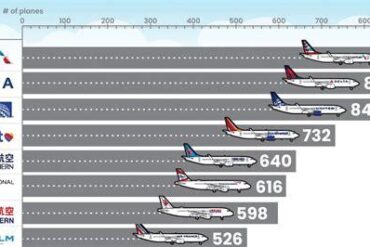
As of April 2025, American Airlines operates a fleet of 988 mainline aircraft, primarily comprising Airbus and Boeing jets, making it the second largest airline fleet in the world. The airline has an additional 338 aircraft on order, including 20 Boom Overture supersonic jets, representing a bold step into next-generation aviation. The average age of its fleet stands at 13.8 years as of December 31, 2024. Maintenance is supported by four key bases located in Tulsa, Pittsburgh, Dallas/Fort Worth, and Charlotte, ensuring operational reliability and safety.
Passenger Experience and Cabin Products
American Airlines offers a comprehensive range of cabin products to meet the diverse needs of its passengers:
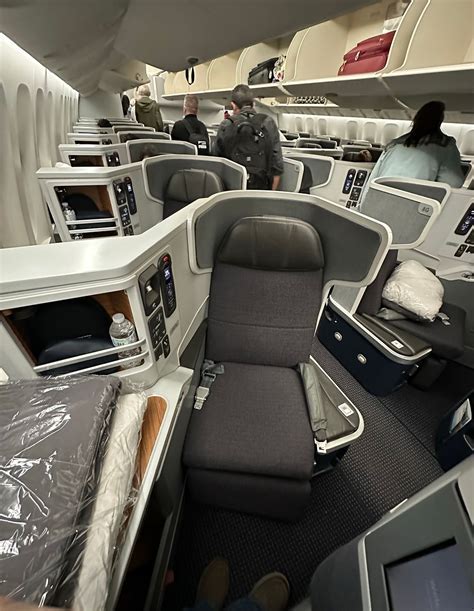
- Flagship First – Available on B777-300ER and A321T aircraft, providing fully lie-flat seats with direct aisle access and personalized dining experiences.
- Flagship Business – Offered on B777-200ER/300ER, B787-8/9, and select A321 jets, featuring fully lie-flat seats and multi-course meals.
- Premium Economy – Introduced in 2016 as a mid-tier option, offering wider seats, extra legroom, priority boarding, and complimentary amenities.
- Main Cabin and Main Cabin Extra – Standard and enhanced economy seating with varying pitch and amenities, including the budget-friendly Basic Economy option.
Loyalty Programs and Lounges
American Airlines’ loyalty program, AAdvantage, is one of the world’s largest with over 115 million members as of 2021. It offers a range of elite status tiers and co-branded credit cards through partnerships with Citigroup and Scotiabank, providing members with exclusive travel benefits. Additionally, Admirals Club and Flagship Lounge facilities offer premium amenities for frequent travelers.
Corporate Affairs and Identity
American Airlines Group Inc. (NASDAQ: AAL), with a market cap of approximately $11 billion (2024), operates from its Robert L. Crandall Campus in Fort Worth, Texas. The airline’s iconic AA logo, redesigned in 2013 by FutureBrand, symbolizes its modern yet heritage-rich identity, reflecting American’s ongoing commitment to innovation and customer service.