A routine low-cost flight from the United Kingdom to Israel turned into an unexpected security event when a passenger’s personal Wi-Fi hotspot name triggered alarm bells high above the Mediterranean. What began as a careless digital joke rapidly escalated into a full aviation security response, complete with Israeli Air Force fighter jets, highlighting how even trivial actions can carry serious consequences in modern air travel.
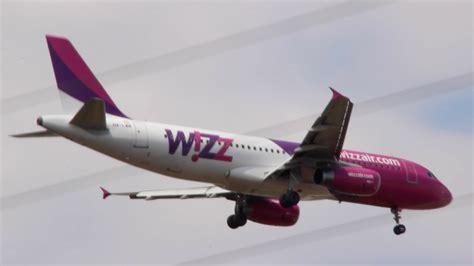
The incident unfolded on Sunday, February 8, 2026, involving Wizz Air flight W95301, an Airbus A321neo operating from London Luton Airport to Tel Aviv’s Ben Gurion Airport. As the aircraft approached Israeli airspace, a hotspot name detected onboard appeared to include the word “terrorist”, displayed in Hebrew and Arabic. In one of the world’s most security-sensitive aviation environments, that single word was enough to activate protocols designed for worst-case scenarios.
For passengers, the flight ended safely. For aviation authorities, it became another example of how digital behavior at 35,000 feet can intersect with national defense systems in unpredictable ways.
A Digital Prank Meets High-Alert Airspace
As Flight W95301 descended toward the eastern Mediterranean, at least one passenger attempting to connect to Wi-Fi noticed a network name that immediately stood out. According to reporting by Israeli N12 News, the hotspot label contained wording interpreted as a terror-related message, prompting concern that the device might be linked to a broader onboard threat.
In isolation, such a hotspot name might be dismissed as tasteless humor. In the context of an aircraft nearing Israeli sovereign airspace, it became something else entirely. Israeli air traffic control relayed the concern to security authorities, who treated the signal as a potential in-flight threat until proven otherwise.
Within minutes, the aircraft was instructed to hold outside Israeli airspace, circling over the sea while authorities assessed the situation. Communication between the cockpit crew, air traffic control, and security agencies intensified, reflecting a system designed to prioritize caution over convenience.
Fighter Jets Scrambled Over the Mediterranean
With uncertainty unresolved, the Israeli Air Force (IAF) launched quick-reaction alert fighter jets to intercept and escort the Wizz Air aircraft. Such interceptions are rare but not unprecedented, particularly in regions where airspace security is tightly integrated with military readiness.
The fighters performed a visual inspection, flying alongside the Airbus to confirm the aircraft’s condition and ensure compliance with instructions. Their presence also provided immediate response capability should the situation deteriorate. For passengers looking out the windows, the sight of armed military jets flying formation with their holiday flight was a sobering reminder that aviation security extends far beyond the cabin.
After sustained monitoring and continued communication, authorities determined that the aircraft could proceed. The fighter escort remained in place as the plane crossed into Israeli airspace and continued all the way to Ben Gurion Airport, where further precautions awaited.
Remote Landing and Ground Security Sweep
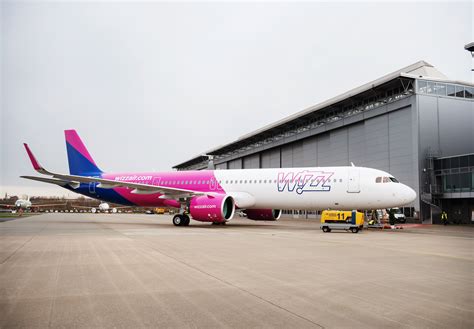
Upon landing in Tel Aviv, Flight W95301 did not taxi to a regular passenger gate. Instead, it was directed to a remote stand, away from terminal buildings and other aircraft. There, Israeli Police, airport security personnel, and K-9 explosive detection units boarded the scene.
Passengers disembarked under supervision and underwent individual screening, while all luggage was subjected to thorough inspection. The focus quickly narrowed to a single mobile device broadcasting the suspicious Wi-Fi name. Investigators traced it to a couple traveling with their son, who had configured the hotspot prior to departure.
The assessment concluded that the name was not linked to any real threat, explosive material, or malicious intent. Authorities officially lifted the alert, allowing passengers to continue their journeys after delays and questioning. An Israeli airport spokesperson later summarized the response as a textbook application of protocol, emphasizing that caution had been justified given the circumstances.
Why Israel Takes No Chances in the Air
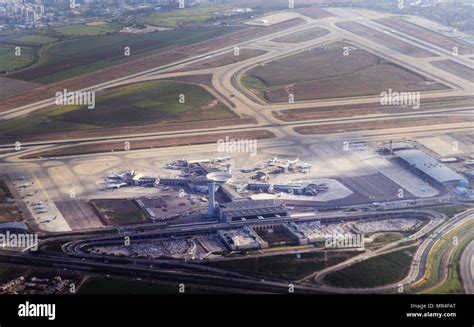
Israel operates one of the most comprehensive aviation security systems in the world, shaped by decades of geopolitical tension and past incidents involving civil aviation. Security measures begin long before boarding and extend well beyond landing, with constant coordination between civil aviation authorities and the military.
In this environment, ambiguous signals are rarely ignored. A phrase that might seem absurd elsewhere can carry elevated risk weight when aircraft are involved. The decision to scramble fighter jets reflects a doctrine built around prevention, not reaction. The cost of a false alarm is accepted as preferable to the consequences of a missed threat.
This approach also explains why even non-verbal or digital cues, such as Wi-Fi names or Bluetooth identifiers, are increasingly considered part of the overall security picture.
The Growing Role of Technology in In-Flight Incidents
Modern aircraft cabins are dense ecosystems of smartphones, tablets, laptops, and personal hotspots. Each device broadcasts identifiers, often customized for humor or convenience. In recent years, aviation authorities worldwide have seen a rise in incidents linked to ill-considered digital messages, from joke bomb threats to provocative device names.
The Wizz Air case echoes other events where passengers underestimated how seriously words are taken in aviation contexts. Airlines are legally obligated to report anything that could be construed as a threat, and national authorities are compelled to respond decisively. Once a report enters the system, escalation is often automatic.
The result is a chain reaction where a few characters typed into a phone can mobilize air traffic controllers, police units, military assets, and emergency responders within minutes.
Consequences for Passengers and Airlines
While no charges were immediately announced in this case, passengers responsible for such incidents often face severe consequences. These can include fines, criminal investigations, airline bans, and placement on no-fly lists. Airlines may also seek compensation for operational disruptions, which can reach significant sums when military involvement is required.
For carriers like Wizz Air, the priority is safety and regulatory compliance. Low-cost airlines operate on tight schedules, making diversions, holds, and extended ground checks especially disruptive. Yet no airline has discretion to downplay a potential threat, regardless of its origin.
For fellow passengers, the impact is emotional as much as logistical. The sudden appearance of fighter jets and armed security forces transforms an ordinary flight into a stressful, unforgettable experience.
A Small Joke With Big Lessons
The Tel Aviv interception underscores a simple truth about contemporary air travel: intent does not matter as much as perception. In a system designed to detect and neutralize threats quickly, ambiguity is treated as danger until resolved.
What began as a misguided attempt at humor became a real-world demonstration of how interconnected aviation security has become, blending civilian travel with military oversight. It also serves as a cautionary tale for travelers everywhere. In the sky, words — even digital ones — carry weight.
As global aviation continues to adapt to new technologies and evolving risks, the margin for “just a joke” grows ever thinner. The Wizz Air flight landed safely, but its story will linger as a reminder that at cruising altitude, every signal matters.