The brutal war between Russia and Ukraine continues to evolve into a sophisticated contest of drone warfare and strategic messaging, with both sides escalating long-range drone strikes even as Russian President Vladimir Putin signals a renewed willingness for peace negotiations. The battlefield has become a crucible of emerging technologies, geopolitical posturing, and civilian suffering, stretching well into its fourth year with no clear resolution in sight.
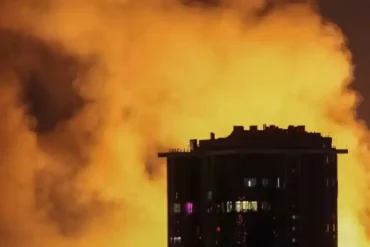
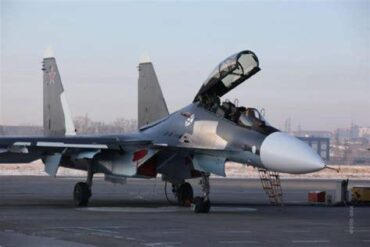
Russian forces launched an aggressive wave of drone and missile attacks overnight, with the Ukrainian air force reporting the interception of 359 Shahed and decoy drones out of 363, as well as the downing of six out of eight cruise missiles. Ukrainian counteroffensives responded in kind, targeting key Russian military assets far behind the front lines, reportedly destroying four Su-34 aircraft at the Marinovka airfield in Volgograd—a bold move that speaks to Kyiv’s growing capabilities and strategic ambition.
Putin Signals Readiness for Peace Talks, But Preconditions Cloud the Path
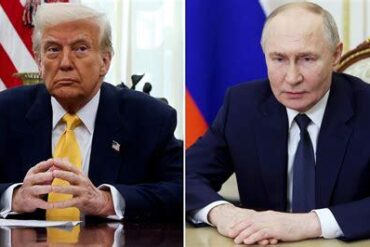
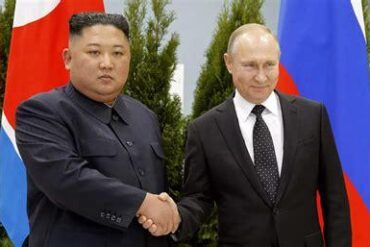
In a rare overture toward diplomacy, Vladimir Putin stated during a visit to Belarus that Moscow is open to a new round of direct peace talks in Istanbul. According to the Russian president, preliminary discussions are underway to determine timing. However, he reiterated that any summit between himself and Ukrainian President Volodymyr Zelenskyy must follow an agreement on major provisions of a peace deal—a condition that could stall negotiations indefinitely.
Ukraine’s position remains firm. Defense Minister Rustem Umerov emphasized that Kyiv demands a direct meeting between the two leaders as the next step. Yet, with Russia’s insistence on a pre-agreement and Putin’s claim that Zelenskyy’s presidential legitimacy has lapsed—a charge denied by Kyiv and Western allies—the prospect of meaningful diplomatic progress remains remote.
Drone Warfare Escalates: Russia’s Shaheds vs. Ukraine’s Innovation
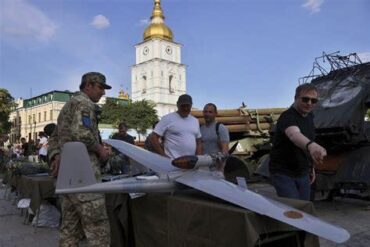
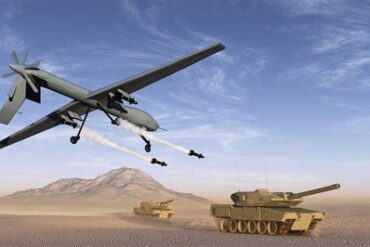
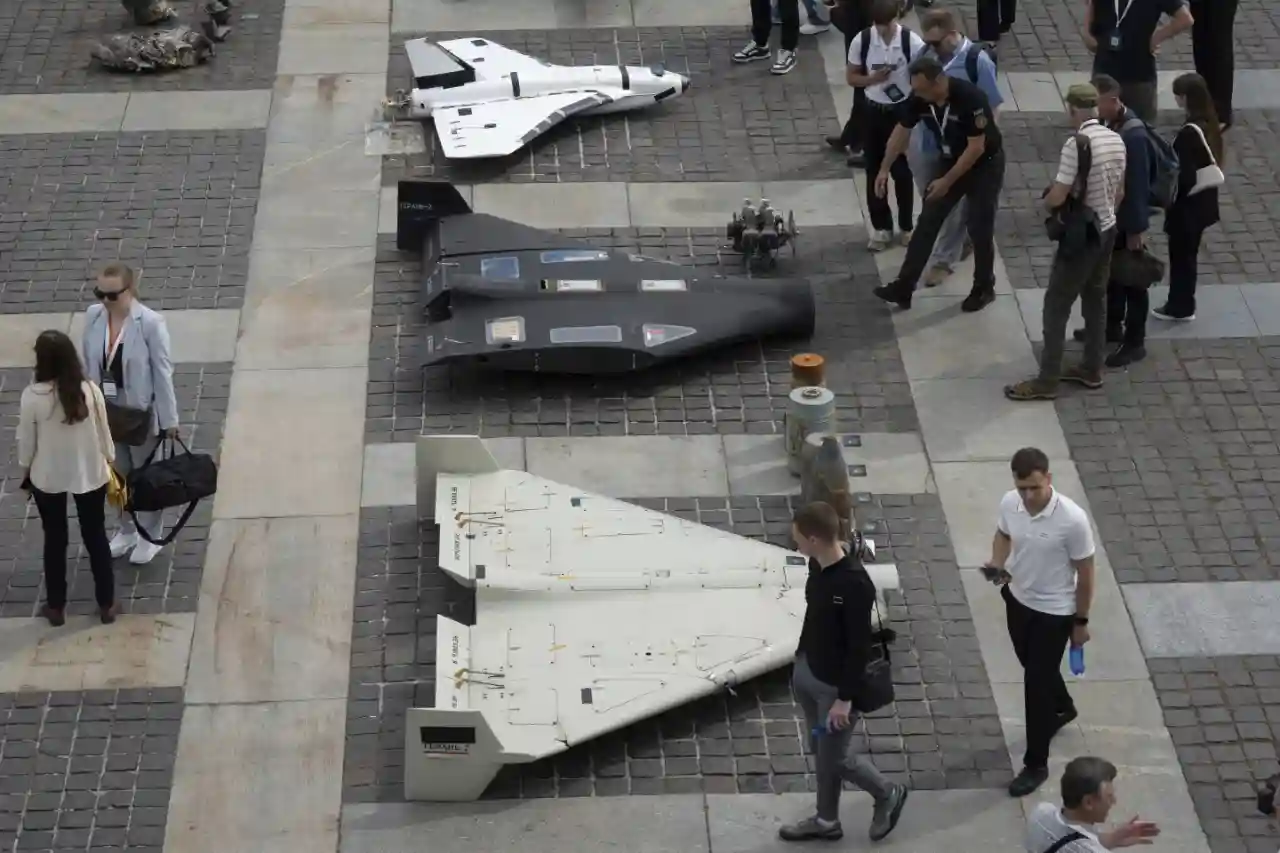
Drones have become ubiquitous and decisive in shaping the conflict’s tactical dynamics. Russian attacks continue to rely heavily on the Shahed drone, a weapon system based on Iranian designs but modified and mass-produced in Russia’s Tatarstan region. These suicide drones, equipped with upgraded warheads, target infrastructure with unnerving precision. Their loud buzzing and unpredictability have traumatized civilians and complicated military response logistics.
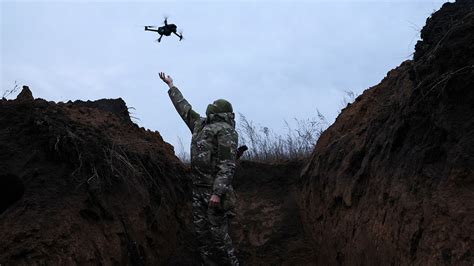
Ukraine, facing superior manpower and firepower from its adversary, has compensated by deploying cutting-edge drone technologies. From long-range sea drones to small tactical quadcopters equipped with real-time cameras, Ukrainian forces have transformed the drone landscape. The success of a covert June operation—damaging nearly a third of Moscow’s strategic bomber fleet using low-cost drones smuggled deep into Russian territory—underlines how drones have leveled the asymmetric warfare gap.
Volgograd and Rostov Under Fire: Ukraine’s Deep Strikes
Russian authorities confirmed that 39 Ukrainian drones were downed across multiple regions overnight, with 19 intercepted in Rostov and 13 over Volgograd. These attacks extended to strategic infrastructure. In Volgograd, local officials reported that traffic across the Don River bridge was temporarily halted due to drone activity in the Kalachyovsky district, where Marinovka airfield—the reported site of the Su-34 attack—is located.
Ukraine’s General Staff released a statement suggesting that its Special Forces and military intelligence collaborated on the high-risk operation that destroyed combat-ready Russian aircraft and technical support facilities. Although independent verification of this claim is still pending, the targeting of deep rear military airfields signals Ukraine’s expanded operational reach.
A War Laboratory: How the Conflict Became a Drone Tech Testing Ground
This war has turned into a testing ground for next-generation drone warfare, attracting global interest from defense analysts, weapons manufacturers, and military strategists. Both Russia and Ukraine are using the front lines to trial innovations in autonomous flight, AI-guided targeting, and swarm technologies.
Ukraine has trained thousands of drone pilots and begun producing interceptors designed to counter the Shahed threat from the air, rather than relying solely on ground-based mobile units. These interceptor drones are proving essential as Russia scales up its combined drone-and-missile offensives. The Crimean Bridge and several Russian airports, including those near Moscow, were forced to suspend operations briefly due to Ukrainian drone incursions.
Civilian Toll and Humanitarian Concerns
While drones are hailed for their strategic precision, the human cost continues to mount. The U.N. Human Rights Monitoring Mission in Ukraine reported that short-range drone attacks have killed 395 civilians and injured 2,635 as of April. Of those casualties, nearly 90% were attributed to Russian forces.
These strikes frequently hit residential areas, hospitals, and transport routes, causing widespread displacement and restricting access to medical aid, food supplies, and essential services. The psychological impact of constant overhead threats has crippled public morale, and local authorities often impose curfews or evacuation orders during elevated drone activity.
Political Theater or Genuine Diplomacy?
The renewed diplomatic language from Moscow comes at a time when international pressure on Russia is mounting, but skepticism remains high. With Putin’s consistent demand for preconditions and rejection of Zelenskyy’s authority, Western officials view the offer as a stalling tactic designed to paint Russia as open to dialogue while continuing military pressure.
Earlier Istanbul talks were short-lived and fruitless, yielding no substantive movement toward a ceasefire. U.S.-led peace efforts have similarly failed to break the deadlock, as NATO countries ramp up arms deliveries to Ukraine, and Russia doubles down on energy weaponization and trade leverage.
The Broader Strategic Context: A Long War Ahead
As both countries dig deeper into long-term war strategies, the probability of a quick peace deal appears low. Russia’s war economy, now restructured around domestic arms production and international alliances with countries like Iran and North Korea, enables it to sustain prolonged conflict. Meanwhile, Ukraine relies on Western financial and military support, but faces challenges in maintaining a steady supply of ammunition, trained personnel, and air defense systems.
The drone war—initially viewed as a supplementary tool—has become central to this protracted conflict, with each side seeking to out-innovate and outmaneuver the other through real-time battlefield adaptation and psychological warfare.
Conclusion: Diplomacy Clouded by Drones and Distrust
Despite Putin’s talk of resuming peace negotiations, the unfolding escalation in drone warfare signals a war that is far from winding down. The mutual use of long-range strikes, increasingly sophisticated drone technology, and strategic targeting of infrastructure reveals that both Ukraine and Russia are preparing for a drawn-out, high-tech war of attrition.
Peace will require not just tabled discussions, but a fundamental shift in military realities and political will—two elements currently overwhelmed by airborne skirmishes, battlefield breakthroughs, and sustained mutual hostility. Until then, the skies above Eastern Europe will remain crowded with machines built not to negotiate, but to destroy.