The reopening of several major aviation gateways in the Middle East has begun cautiously after a week of disruption triggered by escalating regional tensions. While limited air traffic is gradually returning to hubs such as Dubai, Abu Dhabi, and Doha, the operational environment remains volatile. Airlines, regulators, and airport authorities are navigating a delicate balance between restoring connectivity and maintaining strict safety protocols as the risk of drone and missile activity continues to cast a shadow over the region’s airspace.
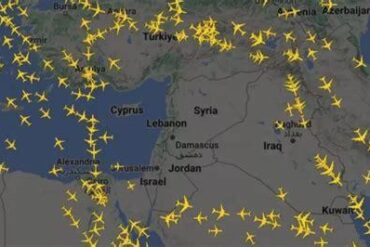
The sudden outbreak of conflict forced airlines across the Middle East to suspend or dramatically scale back operations. Airspace closures, rerouted flight paths, and grounded fleets rapidly reshaped global travel patterns, particularly across one of the world’s most important aviation corridors linking Europe, Asia, and Africa. As a result, the reopening of key transit hubs is being executed with extreme caution, often involving limited flight windows, tightly controlled corridors, and constant monitoring of potential threats.
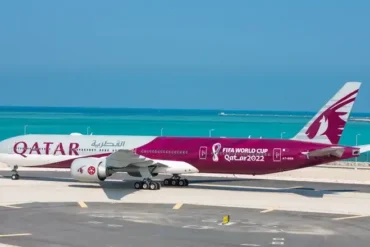
In the United Arab Emirates and Qatar, authorities have begun allowing certain flight routes to reopen, particularly corridors directed toward southern airspace. These carefully designated routes enable repatriation flights and essential passenger services to resume without exposing aircraft to the most volatile areas of the conflict zone. However, aviation officials emphasize that the situation remains fluid, with operational decisions sometimes changing within hours.
Limited Reopenings At Gulf Aviation Hubs
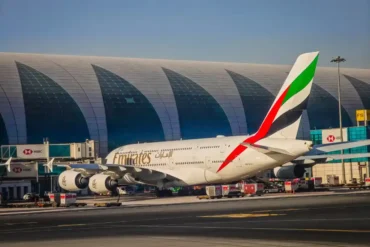
Dubai International Airport (DXB), one of the busiest international transit hubs in the world, briefly halted operations earlier in the day following reports of a nearby aerial incident. The disruption lasted several hours before authorities cleared the airport to resume the limited flight schedule that had already been in place since the conflict began.
Initial media reports suggested a drone strike near the airport perimeter. However, regional authorities later clarified that debris from an intercepted aerial object had fallen near the airport rather than a direct strike occurring on airport infrastructure. Officials confirmed that no injuries were reported and that airport facilities remained intact.
Despite the swift reopening, the episode underscores how fragile the aviation recovery remains. Airports and airlines across the Gulf are operating under heightened security alerts, closely coordinating with air defense systems and aviation regulators. Flight dispatchers are adjusting routes and departure timings constantly, while pilots receive real-time updates regarding potential aerial threats along their planned paths.
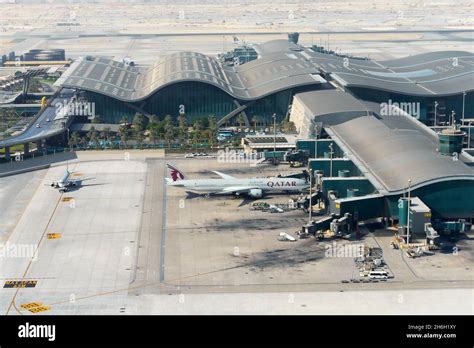
The region’s three dominant aviation hubs—Dubai International Airport, Doha Hamad International Airport, and Abu Dhabi International Airport—play an outsized role in global aviation networks. These airports serve as the backbone of long-haul connectivity between Europe and Asia, making any disruption ripple across worldwide airline schedules.
Airlines Navigate An Extremely Unpredictable Environment
Airlines operating in the region have adopted a cautious approach, maintaining reduced schedules while monitoring security developments. Major Gulf carriers including Emirates, Qatar Airways, and Etihad Airways continue to operate selected flights, though far below normal capacity levels.
Operational unpredictability has become the defining characteristic of the current environment. Flight schedules are frequently adjusted at short notice as intelligence updates emerge or as airspace restrictions shift. Passengers are being urged to confirm flight status before traveling to airports, as cancellations or delays may occur with little warning.
For airlines, the challenge extends beyond passenger logistics. Aircraft positioning, crew rotations, and maintenance schedules have all been disrupted by the sudden changes to airspace accessibility. Carriers must balance operational efficiency with safety considerations, often choosing longer flight paths to avoid potentially hazardous zones.
UK–Middle East Routes Reveal Scale Of Disruption
The aviation corridor linking the United Kingdom with the Middle East provides a clear snapshot of the broader disruption affecting global travel. The route is among the busiest long-haul markets for Gulf carriers, making it particularly sensitive to operational changes in the region.
According to aviation analytics firm Cirium, a total of 74 flights between the UK and the Middle East were cancelled within a single day. Of those, 34 were outbound departures from the United Kingdom, representing more than 23 percent of all scheduled flights from the UK to Middle Eastern destinations. The remaining 40 cancellations involved inbound services traveling from the Middle East to the UK, accounting for nearly 28 percent of flights scheduled on those routes.
The pattern of cancellations reveals stark differences among regional destinations. Flights between Bahrain and the United Kingdom were completely halted, with all four scheduled services cancelled. Meanwhile, services connecting Qatar and the UK experienced near-total disruption, with 15 of 16 scheduled flights cancelled.
Other routes have fared better. Connections between the United Kingdom and the United Arab Emirates saw roughly 44 percent of flights cancelled, while services to Saudi Arabia experienced only minor disruptions. Flights linking the UK with Oman, Lebanon, and Egypt have remained largely unaffected so far.
More Than 1,300 Flights Cancelled Across The Region
When examining the broader global aviation network, the scale of disruption becomes even clearer. Across the Middle East region, more than 1,300 flights were cancelled in a single day as airlines adjusted operations to the evolving security environment.
From a total of 5,338 scheduled flights into the region, approximately 1,355 were cancelled—representing over a quarter of all planned operations. The United Arab Emirates and Qatar together accounted for the majority of those cancellations, reflecting the central role their aviation hubs play in international travel networks.
The United Arab Emirates recorded 451 cancelled flights, representing roughly 44 percent of its schedule, while Qatar saw an even sharper reduction with 315 cancellations—nearly 96 percent of its scheduled operations. Several other countries also experienced significant disruption, including Kuwait, Lebanon, Iraq, and Israel.
Global Airlines Step In To Support Evacuations
Beyond the region’s major carriers, several international airlines have stepped in to assist governments and travelers navigating the crisis. European carriers including Lufthansa, British Airways, and Aegean Airlines have adjusted flight plans and, in some cases, added extra services to nearby countries considered safer operational alternatives.
Oman has emerged as a key destination for these additional flights, serving as a staging point for repatriation operations and passenger transfers. Government-chartered evacuation flights have also begun operating alongside commercial services to help move stranded travelers out of affected areas.
While these measures provide temporary relief, the aviation sector remains acutely aware that the situation could deteriorate again with little warning. The reopening of Middle Eastern aviation hubs marks a fragile step toward restoring global connectivity—but until regional stability improves, airlines and passengers alike must navigate an environment defined by caution, uncertainty, and the persistent threat of aerial attacks.