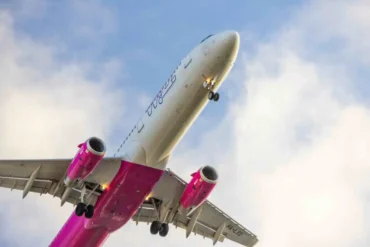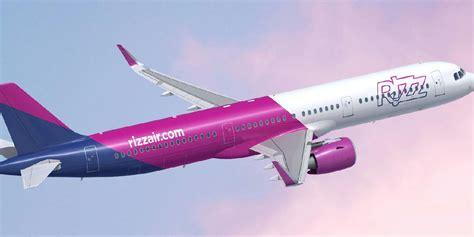
Wizz Air Holdings Plc, prominently stylized as W!ZZ, stands as a formidable Hungarian ultra-low-cost carrier group, with its operational heart and headquarters firmly rooted in Budapest, Hungary. This aviation giant has meticulously carved out a significant niche in the European skies, extending its reach to select destinations across North Africa, the Middle East, and more recently, into South and Central Asia. The corporate structure is a multi-faceted one, encompassing key airline subsidiaries: Wizz Air Hungary, the foundational airline; Wizz Air Malta, a strategic European Union operational arm; Wizz Air Abu Dhabi, marking its ambitious expansion into the Middle Eastern market; and Wizz Air UK, established to navigate the post-Brexit aviation landscape. Together, these entities serve an impressive and ever-growing network of cities. As of 2023, the Wizz Air group boasted its most substantial operational bases at Budapest Ferenc Liszt International Airport, Bucharest Henri Coandă International Airport, and the strategically vital London Luton Airport, collectively connecting to 194 airports worldwide. The parent company, Wizz Air Holdings plc, while operationally centered in Hungary, is registered in Saint Helier, Jersey, and its shares are publicly traded on the London Stock Exchange, forming a constituent part of the prestigious FTSE 250 Index. The original and largest airline within this expansive group remains Wizz Air Hungary Ltd. (Hungarian: Wizz Air Hungary Légiközlekedési Zrt.), which proudly operates the largest fleet of any Hungarian airline, symbolizing its dominant position in its home market and beyond.
The Genesis and Formative Years of Wizz Air
The story of Wizz Air Hungary began in September 2003, a period of dynamic change in the European aviation sector. At the helm of its creation was József Váradi, an individual with deep experience in the airline industry, having previously served as the CEO of Malév Hungarian Airlines, Hungary’s then-struggling state-owned flag carrier. Váradi’s tenure at Malév concluded following his removal by the Medgyessy government in 2003, paving the way for a new venture. The crucial financial backing and strategic partnership for Wizz Air came from Indigo Partners, an American private equity firm renowned for its astute investments in the transportation sector, particularly airlines. This backing was instrumental in getting the ambitious project off the ground. The airline’s inaugural commercial flight took to the skies on 19 May 2004, departing from Katowice International Airport in Poland, a strategic choice that signaled Wizz Air’s early focus on Central and Eastern European markets often underserved by legacy carriers. This first flight marked the beginning of a rapid expansion trajectory that would soon see Wizz Air become a household name for budget-conscious travelers across the continent.
A significant milestone in Wizz Air’s corporate journey occurred on 25 February 2015, when its shares commenced trading on the London Stock Exchange. This initial public offering provided the carrier with substantial capital for further growth and fleet modernization, solidifying its position as a serious contender in the European low-cost market. Further strategic expansion came in November 2017, when Wizz Air announced its intention to launch a British-based division, Wizz Air UK. This move was primarily driven by the opportunity to acquire valuable landing slots at London Luton Airport, which became available following the collapse of Monarch Airlines. Wizz Air UK successfully applied to the UK Civil Aviation Authority (CAA) for an Air Operator Certificate (AOC) and a Type A Operating Licence. The subsidiary officially launched operations in March 2018, utilizing British-registered aircraft. The initial plan involved Wizz Air UK gradually taking over UK-bound flights previously operated by Wizz Air Hungary, with an ambitious goal to employ up to 100 staff by the end of 2018, demonstrating a clear commitment to the UK market despite the looming complexities of Brexit.
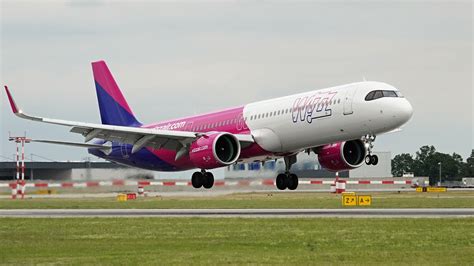
In November 2019, as environmental concerns gained prominence globally, Wizz Air proactively addressed the “flight shame” movement. The airline defended its environmental record by highlighting its relatively low per-passenger emission levels, a key metric for ultra-low-cost carriers operating high-density aircraft. The company publicly committed to reducing its per capita emissions by an additional 30 percent by the year 2030. In its communication, Wizz Air also took the opportunity to critique less efficient airlines, particularly those like Lufthansa that offer business class configurations and, according to Wizz Air, utilize older, less fuel-efficient technologies, thereby contributing more significantly to environmental damage per passenger.
Navigating Turbulence: Growth and Adaptation Since 2020
The dawn of 2020 brought unprecedented challenges with the COVID-19 pandemic, which effectively brought global air travel to a standstill. Wizz Air, like all airlines, was forced to ground the vast majority of its fleet. The severe downturn in travel demand necessitated difficult decisions, including the dismissal of approximately one-fifth of its workforce as the continent-wide shutdown of air travel became a stark reality. Despite these immense pressures, Wizz Air demonstrated remarkable resilience. By April 2020, a surprising statistic emerged: Wizz Air had become Europe’s largest low-cost airline by passenger volume, carrying 78,000 passengers, a testament to its agility and ability to capture essential travel demand where it existed. This was a period when many competitors had ceased almost all operations. The recovery, though gradual, began to show positive signs. By June 2020, the airline reported reaching 40 percent of its previous year’s normal weekly revenue, and significantly, the proportion of no-shows for booked flights fell from a staggering 80 percent in April to a more manageable 30 percent, indicating a slow return of passenger confidence.
Strategic initiatives continued despite the pandemic’s grip. In July 2020, Wizz Air announced a landmark joint venture with the Abu Dhabi Developmental Holding Company (ADQ), signaling a major strategic push into the Middle Eastern market. This led to the formation of Wizz Air Abu Dhabi. Recognizing opportunities beyond passenger transport, in October 2020, Wizz Air took delivery of an Airbus A330-200F cargo aircraft (registered HA-LHU, formerly part of Qatar Cargo’s fleet). This aircraft was operated on behalf of the Hungarian Government under the banner ‘Hungary Air Cargo’, highlighting the airline’s adaptability and its role in supporting national logistical needs during a critical time. As the aviation industry began to look towards a post-pandemic future, Wizz Air announced ambitious growth plans. In August 2021, company management revealed plans to hire 4,600 new pilots by 2030, with an initial phase focused on training and hiring nearly 500 pilots by the end of 2021. This underscored a strong belief in long-term recovery and expansion. In a notable industry development, September 2021 saw rival low-cost carrier EasyJet claim it had rejected a takeover offer from Wizz Air, a move that, had it proceeded, would have significantly reshaped the European low-cost landscape.
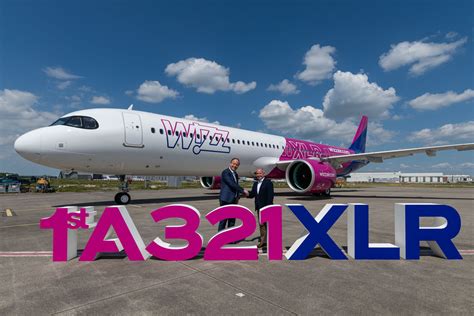
The Dubai Airshow in November 2021 provided a platform for Wizz Air to further signal its aggressive fleet expansion strategy. On the first day of the event, Wizz Air was one of four airlines to place substantial orders for additional Airbus A321neo family jets. The order comprised 75 A321neo and 27 A321XLR (Extra Long Range) aircraft, totaling 102 new aircraft. These state-of-the-art planes are crucial for Wizz Air’s goals of reducing operating costs, improving fuel efficiency, and potentially opening longer routes previously unfeasible for narrow-body aircraft.
The geopolitical landscape presented new challenges in early 2022 with the Russian invasion of Ukraine. This conflict directly impacted Wizz Air, leaving four of its aircraft stranded in Ukraine – three in Kyiv and one in Lviv. Fortunately, the Lviv-based aircraft was eventually recovered and returned to service. In a humanitarian response to the crisis, Wizz Air provided 100,000 free airline tickets in March 2022 for Ukrainian refugees needing short-distance flights from neighboring countries like Poland, Slovakia, Hungary, and Romania. Furthering its eastward expansion ambitions, in May 2022, Wizz Air announced the signing of a memorandum of understanding (MoU) with Saudi Arabia’s Ministry of Investment. This agreement aimed to explore potential investment and operating models to boost Saudi Arabia’s burgeoning tourism industry and enhance its international connectivity. Demonstrating a commitment to future aviation technologies, on 8 June 2022, Wizz Air signed an MoU with Airbus to collaborate on the development of hydrogen-powered aircraft, a long-term vision for sustainable aviation. However, operational challenges persisted. In 2024, Wizz Air was unfortunately named the worst airline for flight delays in the United Kingdom for the third consecutive year, with flights, on average, departing over half an hour late. Compounding these issues, Wizz Air had to ground a significant number of its aircraft in 2024 due to reported faults with Pratt & Whitney’s geared turbofan (GTF) engines. The CEO, József Váradi, indicated that he expected this issue to impact the fleet for approximately two years while the affected aircraft underwent necessary inspections and engine replacements. By September 2024, there was some positive news regarding the engine problems, with the airline reporting that 41 aircraft were grounded as of September 30, an improvement from earlier forecasts. The company revised its expectations, anticipating 40-45 planes would be idled at any given time over the next 18 months, down from a previous estimate of 50. In an innovative marketing and customer engagement move, Wizz Air announced an “all you can fly” subscription service in August 2024, priced at €499 per year. The annual subscription proved immensely popular, selling out within 24 hours. Subscribers are charged an additional £8.90 per flight and must pay extra for carry-on or checked luggage, with only a small personal item included free of charge.
Corporate Structure and Financial Performance
Wizz Air Holdings Plc, the parent company of the Wizz Air group, is headquartered in Budapest, Hungary, for its operational activities, while its legal registration is in Saint Helier, Jersey. The leadership team includes prominent figures such as William A. Franke as Chairman, bringing his extensive experience from Indigo Partners, and József Váradi as the long-serving Chief Executive Officer (CEO), who has guided the airline since its inception. The company’s financial and operational performance has shown a remarkable growth trajectory, albeit with significant volatility caused by events like the COVID-19 pandemic.

Key business trends for the Wizz Air Group (as of 31 March each year) illustrate this journey:
- FY 2014: Revenue €1,011m; Net profit €87.7m; 1,650 employees; 13.9m passengers; 85.7% load factor; 96 airports; 35 countries; 46 aircraft.
- FY 2015: Revenue €1,227m; Net profit €183m; 2,040 employees; 16.5m passengers; 86.7% load factor; 110 airports; 38 countries; 55 aircraft.
- FY 2016: Revenue €1,429m; Net profit €192m; 2,396 employees; 20.0m passengers; 88.2% load factor; 124 airports; 39 countries; 67 aircraft.
- FY 2017: Revenue €1,571m; Net profit €225m; 3,033 employees; 23.8m passengers; 90.1% load factor; 141 airports; 42 countries; 79 aircraft; CO2/RPK 61.5g.
- FY 2018: Revenue €1,948m; Net profit €275m; 3,686 employees; 29.6m passengers; 91.3% load factor; 135 airports; 44 countries; 93 aircraft; CO2/RPK 59.9g.
- FY 2019: Revenue €2,327m; Net profit €123m; 4,261 employees; 34.6m passengers; 93.6% load factor; 146 airports; 44 countries; 112 aircraft; CO2/RPK 58.5g.
- FY 2020: Revenue €2,761m; Net profit €281m; 4,440 employees; 40.0m passengers; 93.5% load factor; 155 airports; 45 countries; 121 aircraft; CO2/RPK 57.2g.
- FY 2021 (Pandemic Impact): Revenue €739m; Net loss €-576m; 3,960 employees; 10.2m passengers; 64.0% load factor; 167 airports; 48 countries; 137 aircraft; CO2/RPK 77.3g.
- FY 2022 (Recovery): Revenue €1,663m; Net loss €-642m; 5,772 employees; 27.1m passengers; 78.1% load factor; 194 airports; 51 countries; 153 aircraft; CO2/RPK 60.7g.
- FY 2023: Revenue €3,896m; Net loss €-535m; 7,389 employees; 51.0m passengers; 87.8% load factor; 194 airports; 54 countries; 179 aircraft; CO2/RPK 53.8g.
- FY 2024: Revenue €5,073.1m; Net profit €365.9m; c. 8,000 employees; 62.0m passengers; 90.1% load factor; 193 airports; 53 countries; 208 aircraft; CO2/RPK 52.0g.
These figures highlight Wizz Air’s consistent growth in passenger numbers, network reach, and fleet size over the decade, with the CO2/RPK figures demonstrating its increasing fuel efficiency, a core tenet of its operational strategy. The sharp downturn in FY2021 and FY2022 reflects the severe impact of the pandemic, followed by a strong recovery in passenger demand and revenue, culminating in a return to profitability in FY2024.
Strategic Subsidiaries: Expanding the Wizz Air Footprint
Wizz Air’s growth has been supported by the strategic establishment of subsidiary airlines, each serving specific market needs or regulatory requirements.
Wizz Air Abu Dhabi was founded on 12 December 2019, marking a significant expansion for the group outside of Europe. This subsidiary is a joint venture with the state-owned Abu Dhabi Developmental Holding Company (ADQ), which holds a 51% majority stake. Operating from Abu Dhabi International Airport, Wizz Air Abu Dhabi connects the UAE capital with a growing list of destinations in Europe, Asia, and Africa, leveraging the ultra-low-cost model in a new geographical region.
Wizz Air UK was established on 18 October 2017. Its creation was a proactive measure to ensure continued full market access to the United Kingdom following Brexit. Approved by the UK’s Civil Aviation Authority, the subsidiary commenced operations with an initial fleet of 10 UK-registered aircraft. Wizz Air UK primarily operates flights from and to its major base at London Luton Airport on behalf of its Hungarian parent company, safeguarding crucial routes and slots.
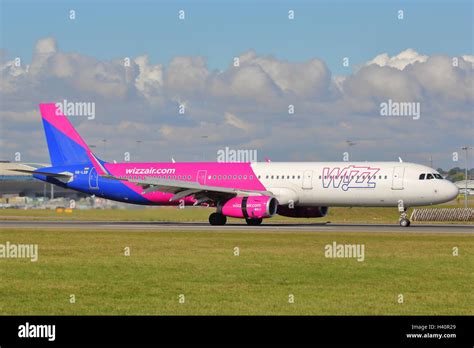
Wizz Air Malta is a more recent addition, founded in 2022. It operated its inaugural flight on 27 September 2022, flying from Rome Fiumicino Airport to Malta International Airport. Establishing a Maltese AOC provides Wizz Air with further operational flexibility within the European Union and access to Malta’s aviation agreements.
Historically, Wizz Air also operated other subsidiaries. Wizz Air Bulgaria, established in 2005 and based at Sofia Airport, operated with a fleet of three aircraft. However, its operations were merged back into Wizz Air Hungary Ltd. on 31 March 2011, streamlining the group’s structure. Wizz Air Ukraine, founded in 2008, was the Ukrainian arm of the company, holding its own AOC and operating from Kyiv Zhuliany International Airport and Lviv International Airport with a fleet of four aircraft. Due to the severe economic crisis triggered by the Russo-Ukrainian War in its earlier phase, Wizz Air Ukraine ceased operations on 19 April 2015. Some routes to and from Kyiv were subsequently taken over by Wizz Air Hungary, while others were discontinued. Despite this setback, Wizz Air gradually began to rebuild its presence in Ukraine, and by October 2016, it was operating flights from Kyiv to 13 cities in 7 countries.
A Constantly Expanding Network: Wizz Air Destinations
Wizz Air’s network strategy has been a cornerstone of its success, initially focusing on connecting Central and Eastern Europe (CEE) with Western Europe, and subsequently expanding into new geographical territories. As of August 2024, the airline group serves approximately 200 destinations. The airline’s maiden flight in 2004 connected its first base at Katowice Airport in Poland to London Luton Airport, a route that symbolized its core strategy. Later that year, Budapest was established as its second base, solidifying its Hungarian roots.
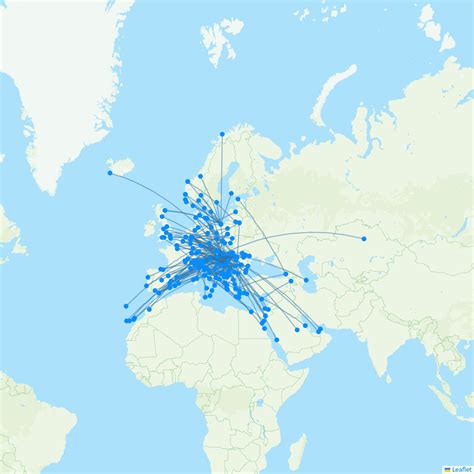
Key milestones in Wizz Air’s destination expansion include:
- 2008: Commenced domestic operations in Ukraine, its first such venture outside the European Union.
- 2011: Established a new base in Belgrade, Serbia, further expanding its non-EU presence.
- 2012: Launched its first route to the South Caucasus with flights to Kutaisi, Georgia, and established another non-EU base in Skopje, North Macedonia. The same year marked its entry into the Middle East with flights to Tel Aviv, Israel.
- 2013: Expanded its Middle Eastern footprint with its first route to the Arabian Peninsula, flying to Dubai.
- 2014: Ventured into North Africa with its inaugural route to Hurghada, Egypt.
- 2015: Opened a new non-EU base in Tuzla, Bosnia and Herzegovina.
- 2016: Established new non-EU bases in Chișinău, Moldova, and made Kutaisi its first base in the South Caucasus.
- 2017: Launched its first route to Central Asia, connecting to Astana (now Nur-Sultan), Kazakhstan. Crucially, London Luton became a new base outside of Central and Eastern Europe, managed by Wizz Air UK.
- 2018: Opened a significant new base in Vienna, Austria, marking a major push into Western European markets traditionally dominated by legacy carriers and other LCCs.
- 2020: Despite the pandemic, Wizz Air continued strategic base openings outside its traditional CEE focus, including Larnaca (Cyprus), London Gatwick (UK), Milan Malpensa (Italy), and Tirana (Albania, a non-EU base).
- 2021: Abu Dhabi became the airline’s first base on the Arabian Peninsula through its Wizz Air Abu Dhabi subsidiary. However, this year also saw the closure of its Dortmund base in Germany after only a year of operation and the termination of all its domestic routes in Norway after less than a year, highlighting the dynamic and sometimes challenging nature of route development.
- 2022: Further network adjustments included the closure of its Doncaster Sheffield base in the UK (after less than two years) and its Sarajevo base in Bosnia and Herzegovina (after about a year). On a more positive note, Wizz Air launched its first route to South Asia, flying to Malé in the Maldives.
- 2023: The Cardiff base in Wales was closed after less than a year of operation.
- 2025 (Planned): A new non-EU base is planned for Yerevan, Armenia, further strengthening its presence in the Caucasus region.
The airline also operates some notably long routes, pushing the capabilities of its narrow-body fleet. Examples include Katowice to Abu Dhabi (2,269 nm, approx. 6 hours) and Rome Fiumicino to Abu Dhabi (2,346 nm, approx. 7 hours). Future routes utilizing the A321XLR, such as London-Gatwick to Medinah (2,428 nm) and Jeddah (2,546 nm), will further extend its reach.
The Backbone of Operations: The Wizz Air Fleet
Wizz Air and its subsidiaries (Wizz Air Malta, Wizz Air UK, and Wizz Air Abu Dhabi) operate an exclusively all-Airbus A320 family fleet. This strategy of fleet commonality is a hallmark of successful low-cost carriers, as it significantly simplifies maintenance procedures, crew training, and spare parts inventory, leading to lower operational costs.
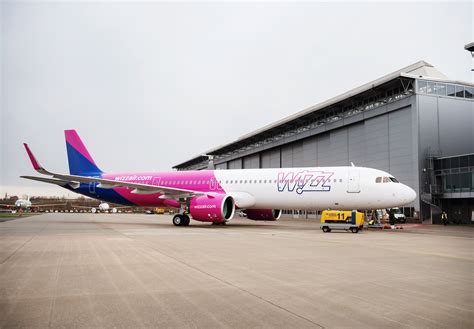
As of April 2025, the combined fleet composition is projected to be:
- Airbus A320-200: 34 aircraft, typically configured with 180 or 186 seats.
- Airbus A320neo: 6 aircraft in service with 13 on order, featuring 186 seats. The ‘neo’ (new engine option) variants offer significant fuel efficiency improvements.
- Airbus A321-200: 41 aircraft, configured with a high-density 230 seats.
- Airbus A321neo: 148 aircraft in service with a massive 239 on order. Wizz Air is the largest operator of this highly efficient aircraft type, which is configured with 239 seats. Deliveries are expected to continue until 2029.
- Airbus A321XLR: 1 aircraft in service with 46 on order. This ‘Extra Long Range’ variant, also with 239 seats, will enable Wizz Air to tap into longer routes, potentially connecting more distant city pairs across continents. Deliveries for the A321XLR are also scheduled through 2029.
The total fleet stands at 229 aircraft, with an impressive 299 aircraft on order, signaling Wizz Air’s ambitious future expansion plans and commitment to maintaining one of the youngest and most fuel-efficient fleets in Europe. This continuous fleet renewal program is critical to its low-cost structure and its environmental commitments to reduce emissions per passenger kilometer.
Historically, Wizz Air also operated a single Airbus A330-200F freighter. This aircraft was inducted in October 2020 and primarily handled cargo services on behalf of the Hungarian government, particularly during the heightened logistical demands of the COVID-19 pandemic. Operations of this cargo aircraft ceased in December 2024, as the airline refocused on its core passenger operations.
Safety and Operational Incidents
Wizz Air maintains a strong safety record, adhering to the stringent regulations set by the European Union Aviation Safety Agency (EASA). However, like any major airline, it has experienced operational incidents.
One notable incident occurred on 8 June 2013, involving Wizz Air Flight 3141, an Airbus A320-232 (registration HA-LWM). The flight was en route from Bucharest Henri Coandă Airport, Romania, to Rome-Ciampino Airport, Italy, with 165 passengers and 5 crew members on board. During the approach to Rome, the crew encountered difficulties in lowering the left main undercarriage and ensuring it locked into position. Consequently, the flight was diverted to Rome’s Leonardo da Vinci–Fiumicino Airport, which has longer runways more suitable for such emergency situations. After landing, airport firefighters applied foam to the undercarriage area as a precautionary measure. The aircraft was evacuated using its emergency slides. Initial reports mentioned three occupants were injured; however, both Wizz Air and Rome Fiumicino Airport later clarified that while some passengers requested medical checkups as a precaution, no significant injuries were reported. The incident was thoroughly investigated, and appropriate safety actions were implemented.
The Wizz Air Experience: Defining Ultra-Low-Cost Travel
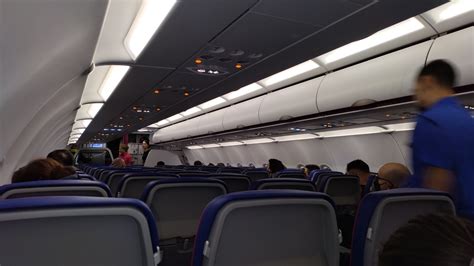
Wizz Air’s business model is firmly anchored in the ultra-low-cost carrier (ULCC) philosophy. This means offering passengers the lowest possible base fares, with charges for almost all additional services. This unbundling strategy allows passengers to customize their travel experience and pay only for the services they require. Standard fares typically include only a small personal item that must fit under the seat in front. Carry-on baggage, checked luggage, seat selection, priority boarding, and onboard refreshments all incur additional fees. This model, while sometimes criticized for its myriad of add-on charges, enables Wizz Air to maintain highly competitive headline prices, attracting a large volume of price-sensitive travelers.
To encourage loyalty and repeat business within this model, Wizz Air offers several programs. The Wizz Discount Club provides members with guaranteed discounts on flight fares and baggage fees for themselves and their travel companions. The Wizz Privilege Pass offered benefits like priority boarding and a larger cabin bag allowance, though its availability and features may evolve. More recently, the Wizz MultiPass and the innovative “Wizz All You Can Fly” annual subscription demonstrate the airline’s ongoing efforts to create value propositions for frequent flyers, even within the ULCC framework. These initiatives aim to build a loyal customer base while maximizing ancillary revenue streams, which are crucial for the profitability of low-cost airlines.
Future Horizons: Ambition, Challenges, and Sustainability
Wizz Air’s trajectory points towards continued aggressive expansion, driven by its substantial aircraft order book and its strategic focus on underserved markets and competitive routes. The airline’s ambition to significantly grow its fleet with modern, fuel-efficient Airbus A320neo and A321neo/XLR aircraft will be key to its expansion into new geographical areas and increasing frequencies on existing routes. The A321XLR, in particular, opens up possibilities for longer, thinner routes that were previously not economically viable for low-cost, narrow-body operations.
However, the path ahead is not without significant challenges. The ongoing Pratt & Whitney GTF engine issues, leading to the grounding of a substantial portion of its fleet, present a major operational and financial hurdle. Managing these groundings, ensuring timely inspections and repairs, and mitigating the impact on schedules and passenger satisfaction will be a primary focus for the airline’s management in the coming years. Furthermore, Wizz Air faces intense competition in the European aviation market, not only from other LCCs like Ryanair and EasyJet but also from legacy carriers increasingly adopting low-cost strategies on short-haul routes.
Sustainability remains a critical long-term challenge and a growing area of focus. Wizz Air often highlights its low CO2 emissions per passenger-kilometer, a result of its young fleet, high seat density, and high load factors. The airline’s commitment to further reduce emissions and its collaboration with Airbus on hydrogen-powered aircraft research signal an understanding of the environmental imperatives facing the industry. Balancing ambitious growth with credible environmental responsibility will be crucial for its long-term social license to operate and grow. The success of innovative products like the “all you can fly” pass also indicates a willingness to experiment with new models to attract and retain customers in an ever-evolving travel landscape. Wizz Air’s journey from a Central European upstart to a pan-European (and beyond) aviation powerhouse is a testament to its agile strategy and relentless focus on cost control, and its future will likely be characterized by the same dynamism and ambition that has defined its first two decades.