Indian Aviation is undergoing a profound transformation, catalyzed by demographic shifts, economic momentum, and strategic airline expansion. With India now officially the most populous country, its aviation industry is emerging as a cornerstone of national growth and global connectivity. The sector is poised for a meteoric rise, mirroring the country’s ambition to establish itself as a global aviation hub within the next decade.
The Rebirth of a Once-Volatile Market
A decade ago, the Indian aviation market was plagued by instability. Frequent airline collapses, price wars, and regulatory constraints contributed to a cycle of boom-and-bust dynamics. However, post-2020, the market has undergone a dramatic course correction. By 2024, India’s total departing seat capacity reached 230 million, nearly doubling from 2014 levels.
This post-pandemic rebound is driven by streamlined regulations, aggressive low-cost carrier strategies, and enhanced airport infrastructure. The growth trajectory indicates that Indian aviation is no longer a victim of cyclic volatility—it is a system that is maturing with calculated momentum.
Domestic Growth: The Core Engine of Indian Aviation
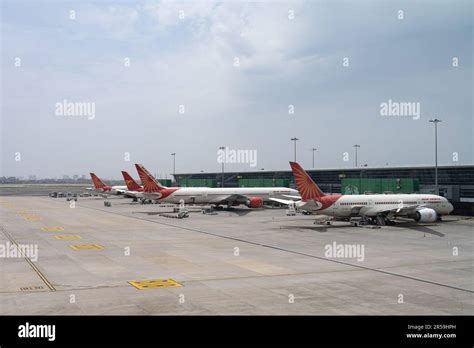
Between 2005 and 2024, domestic air travel in India grew at an average annual rate of 8.7%, compared to 6% growth in international traffic. This disparity is rooted in historical policy: Indian carriers had to build domestic credentials before expanding internationally.
Now, domestic connectivity is not just a foundation—it is the springboard for India’s broader aviation ambitions. The regional connectivity scheme (UDAN) has opened up Tier II and Tier III cities, aligning aviation accessibility with India’s demographic spread.
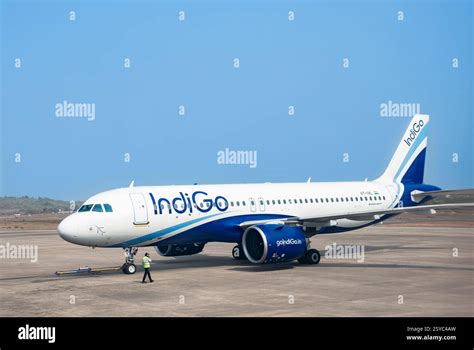
Indigo leads this domestic charge, commanding a 61% share of India’s domestic market. The LCC has optimized route efficiency, maintained a fleet of over 300 narrowbody aircraft, and offers the most expansive domestic network in South Asia.
International Reach: An Emerging Frontier
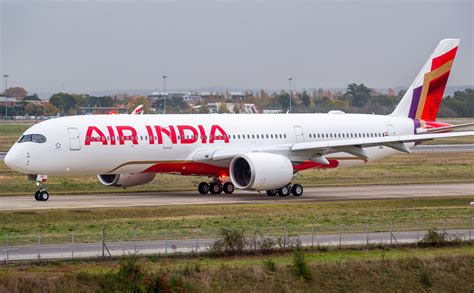
India’s international market is still dominated by foreign carriers, which control 66% of total international seat capacity. Yet, Indian airlines are recalibrating their global footprint. Air India, post its acquisition by Tata Group, is revamping its long-haul fleet and has ordered 34 Airbus A350s, aiming to compete with Gulf giants like Emirates and Qatar Airways.
Meanwhile, Indigo’s recent order of 30 A350-900 widebodies in April 2024 signals its first major push into intercontinental travel. This is a tectonic shift for a carrier long focused on regional operations, suggesting a new era of Indian LCCs entering long-haul routes.
Comparative Analysis: India vs China vs USA
The Indian aviation market is still nascent in terms of air travel penetration. The per capita seat availability stands at just 0.13 in India, compared to 0.5 in China and 3.0 in the United States. Despite being the largest population globally, India lags significantly in per capita aviation access.
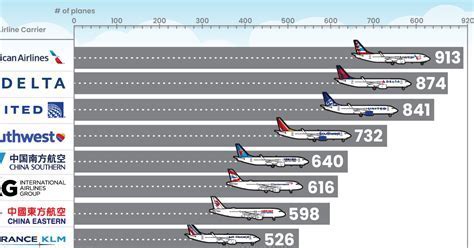
Additionally, India operates just over 3,000 commercial aircraft, whereas China has surpassed 4,000. Fleet size alone, however, doesn’t account for network efficiency, load factor, and utilization rates, all of which are improving steadily in India.
GDP per capita is another decisive factor. At $2,410, India’s GDP per capita trails China ($12,720) and the USA ($76,400). Aviation demand often scales at 1.5–2x GDP growth, which bodes well for India given its projected annual GDP growth rate of 6.5% to 7% over the next decade.
Infrastructure Challenges and Opportunities
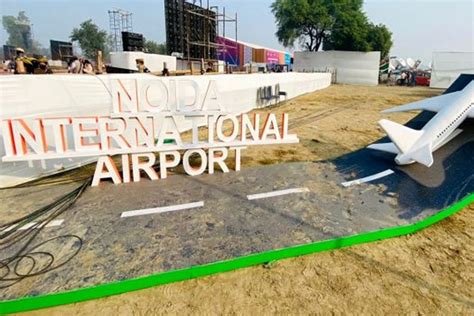
India’s airport infrastructure is expanding, but not uniformly or fast enough to match demand. Major hubs like Delhi, Mumbai, Bangalore, and Hyderabad are nearing capacity limits during peak hours. Greenfield airport projects in Navi Mumbai and Jewar (Noida) are under development but are years from full operation.
The Indian government has announced investments exceeding ₹1 lakh crore (~$12 billion) toward airport modernization and regional expansion. However, logistical bottlenecks, land acquisition hurdles, and bureaucratic delays persist.
Air Traffic Management (ATM) systems and sustainable aviation fuel (SAF) adoption also remain nascent. With climate regulations tightening, sustainable practices must align with capacity expansions.
Airline Consolidation and Competitive Landscape
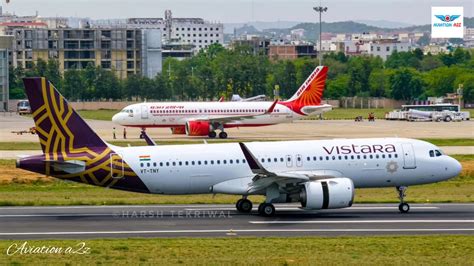
The Indian aviation sector is witnessing a period of consolidation. Air India and Vistara are merging under Tata’s umbrella, aiming to create a national full-service champion. Simultaneously, low-cost carriers like Akasa Air are filling voids left by the collapse of Jet Airways, which remains grounded despite speculative plans for revival.
Private capital, strategic alliances, and technology adoption are reshaping airline models. AI-driven revenue management, dynamic pricing, and mobile-first booking systems are becoming norms, particularly among millennial travelers who now form the largest customer demographic.
The Role of the Middle Class and Tier-II Cities
The Indian middle class is expanding, with millions entering the aviation economy each year. As disposable incomes rise, so too does aspirational air travel—from pilgrimages to vacations, and from business to education-linked journeys.
Airports in cities like Lucknow, Kochi, Bhubaneswar, and Guwahati are being upgraded to international standards, reflecting a shift away from traditional metro-focused aviation. This decentralization will further fuel domestic traffic and later create demand for direct international services from these cities.

The Long View: What Lies Ahead
India’s long-term aviation success depends on synchronizing airline expansion with infrastructure readiness and economic uplift. The growth in aircraft orders, enhanced bilateral air service agreements, digital travel experiences, and sustainable fuel development must coalesce into a unified strategic vision.
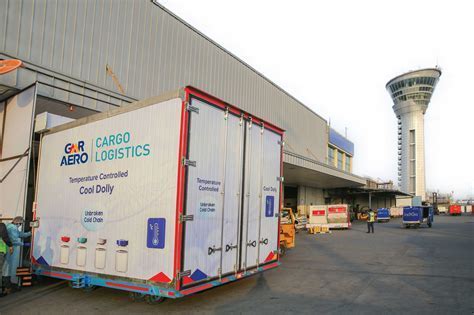
The government’s National Civil Aviation Policy and Vision 2040 aim to place India among the top three global aviation markets. If current momentum is sustained, India could leapfrog into this elite club by early 2030s, especially as the country eyes air cargo hubs, MRO (maintenance, repair, and overhaul) leadership, and aviation manufacturing zones under “Make in India.”
FAQ: Indian Aviation
What are the biggest airlines in India today?
The top airlines by market share in India are Indigo (dominant in domestic travel), Air India (flag carrier undergoing transformation), and Vistara (merging with Air India). Akasa Air is also growing quickly in the low-cost segment.
How does India compare to China in aviation development?
China has a significantly larger fleet, higher per capita seat availability, and more developed infrastructure. However, India’s aviation sector is growing faster relative to its GDP base and has greater long-term headroom for expansion.
Is India investing in sustainable aviation?
Yes, though still in early stages. Initiatives include SAF research, solar-powered terminals, and carbon offset programs. However, large-scale SAF adoption and emission reduction targets remain aspirational goals for the 2030s.